The Ultimate Taper Fade vs Burst Fade Difference
Published: 2 Nov 2026
If you walk into a barbershop and say you want a fade, you may get a cut that looks very different from the photo in your mind. That is because the word fade covers many shapes. Two of the most asked for shapes are the taper fade and the burst fade. They both make the sides of your hair shorter, but they do it in very different ways. This guide explains the taper fade vs burst fade difference in simple words, so you can pick the right one and explain it clearly to your barber.
The short answer is easy to remember. A taper fade is soft, clean, and calm. It slowly makes the hair shorter near your ears and neck, and it still leaves a little hair at the bottom. A burst fade is bold and full of shape. It curves around your ear like a half circle, and it makes the ear area the star of the haircut. One is made to blend in. The other is made to stand out.
What Is a Taper Fade?
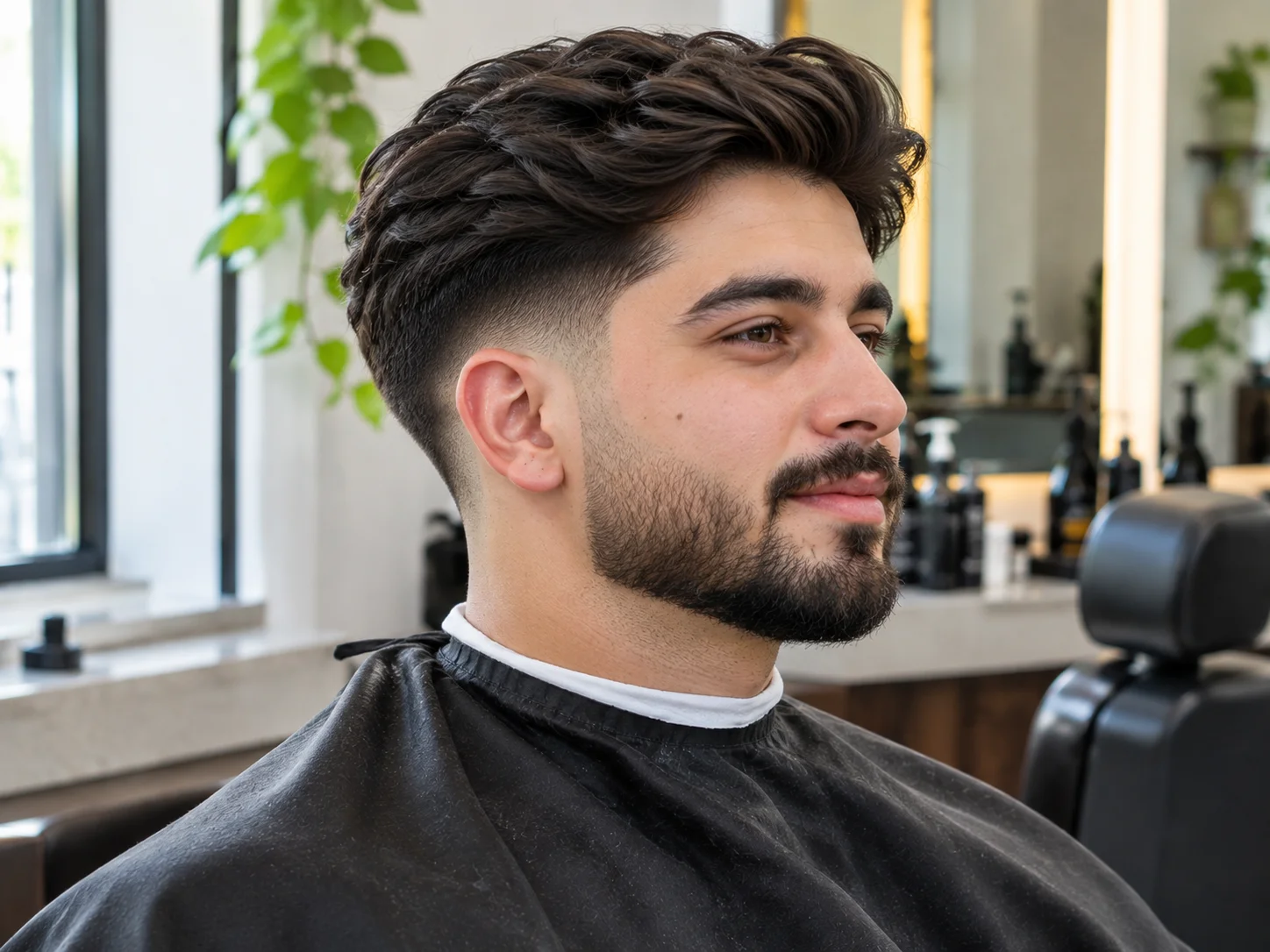
A taper fade is a haircut where the hair gets shorter little by little as it moves down the sides and back of your head. The top stays longer. Near your sideburns and your neck, the hair becomes short, but it does not disappear. You can still see short hair at the lowest part. That soft finish is what makes a taper fade look neat without looking harsh. The change follows the natural line of your head, not one sharp band, so the sides keep their weight and the shape looks calm from the front and the side.
The change can start low, just above your ears, or it can start higher, near your temples. A low taper fade is the softest choice. A mid taper fade starts a little higher and gives a bit more shape. A high taper fade starts higher still and gives strong contrast with the top. In all three cases, the hair behind your ear keeps more length than in a full fade, so the cut grows out in a gentle way and still looks tidy as it gets longer. It is also a good first faded haircut, because you can start low and soft, and go higher or bolder at your next visit if you like it.
As a hairstylist, I suggest a taper fade most often to a man who is trying a fade for the first time. I have seen how it calms a busy morning, because the sides stay neat even when the top is left a little messy. It is a safe first step that still looks smart.
What Is a Burst Fade?
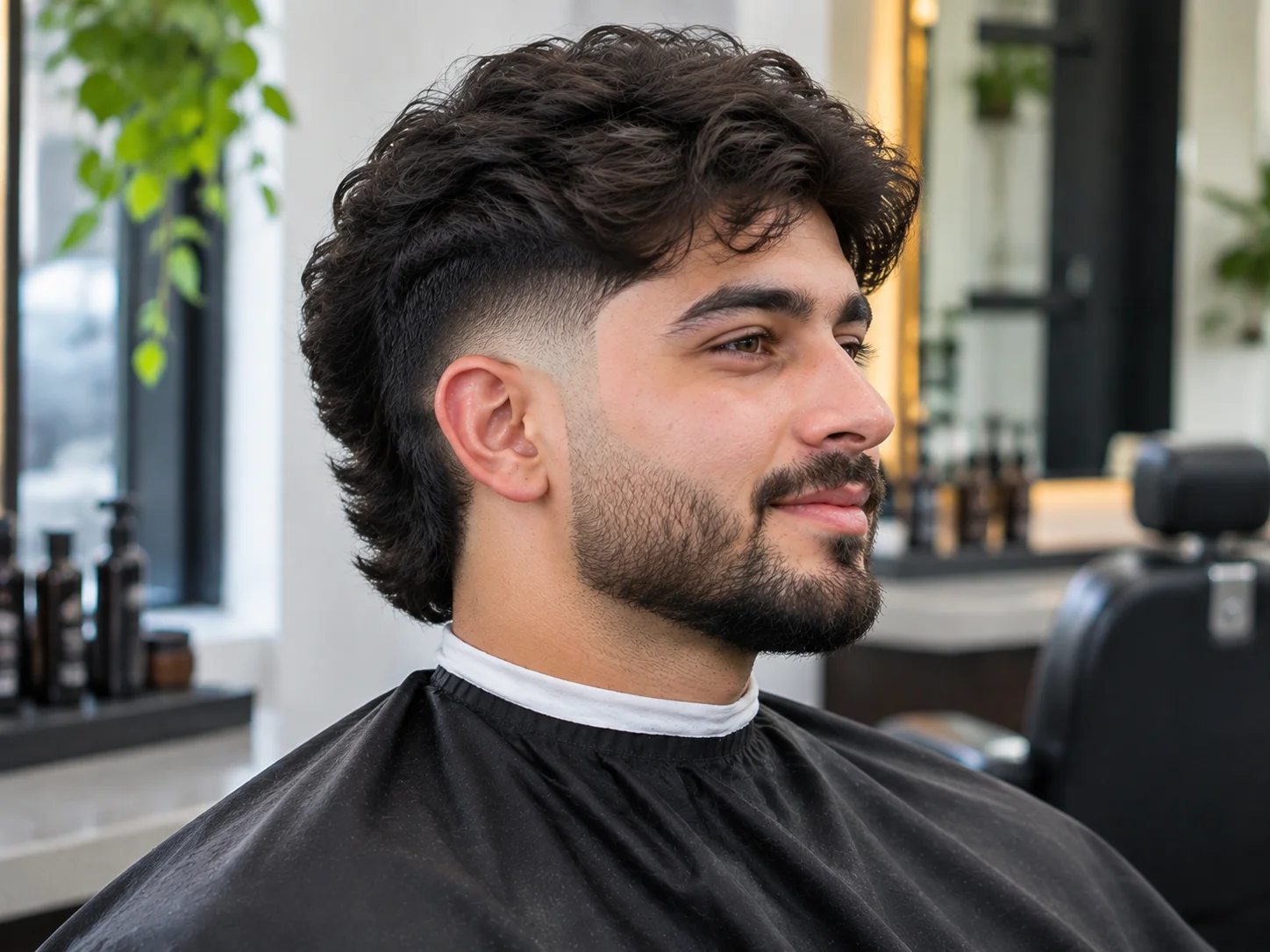
A burst fade is a fade with a clear shape. Instead of fading the whole side of your head in a straight line, the barber fades the hair in a curve around your ear. The shortest point sits right behind your ear. From there, the hair gets longer as it moves away from the ear in every direction. The result looks like a half circle, or a burst, around the ear. The curve starts near the temple, bends around the ear, and ends at the side of the neck. It does not cross the whole back in one faded band.
The back of the head usually stays longer in a burst fade. That is why it works so well with a mohawk, a mullet, a textured crop, and curly tops. The curve opens up the area around the ear, while the back keeps its length and movement. A burst fade can be cut down to bare skin for maximum contrast, or it can stop at a short guard so a little hair is still visible. The height of the curve can also change, from low and close to the ear to high and close to the temple. It takes skill to keep the curve smooth and the same on both sides, so it is a more technical cut than a simple taper.
As a hairstylist, I love how a burst fade can change the whole feel of a haircut without changing the top very much. I have watched a simple crop turn into a bold style just by adding that curve around the ear. It takes a steady hand, because the curve must look smooth on both sides.
Shape, Start Point and Back
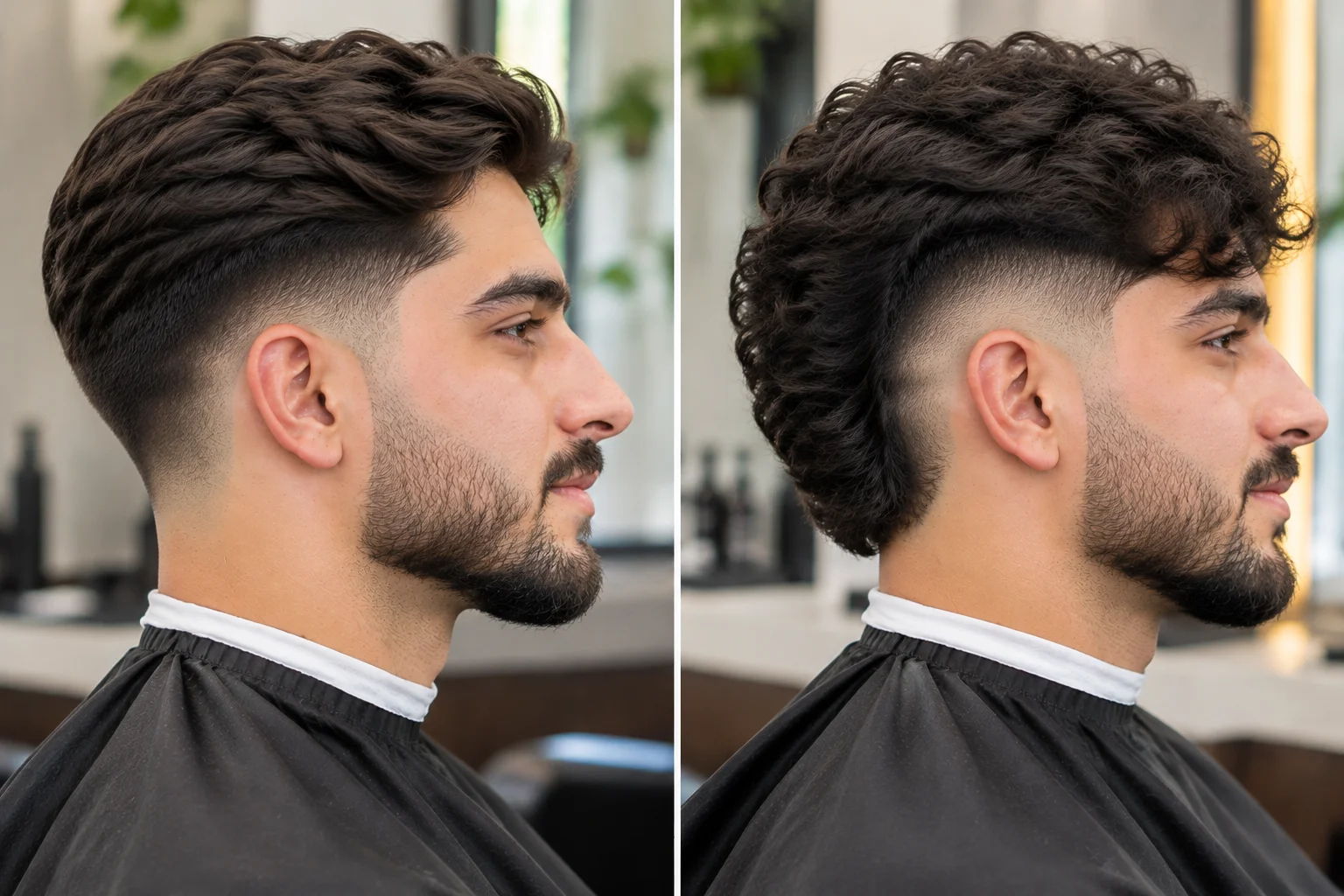
The biggest taper fade vs burst fade difference is the shape. A taper fade follows the natural line of your head. It moves down the sides and back in a gentle slope, and it cleans up the edges at the sideburns and the neck. A burst fade follows a curve. It does not try to fade the whole side in one even line. It focuses on the area around the ear and leaves the back with more length. From the side, a taper fade looks like a smooth slope. A burst fade looks like a round frame around the ear.
Where the fade starts also tells the story. In a taper fade, the start point is low, mid, or high on the side of the head, and the blend runs down toward the neck. In a burst fade, the start point is the curve itself. The curve begins near the temple, bends around the ear, and drops toward the back of the neck. The neckline is another clear difference. A taper fade usually gives you a clean, tapered neckline that blends into the back. A burst fade often leaves the neckline longer, because the main work is around the ear, not at the back. That longer back is part of the style, and you can ask for it to be tapered on request if you want a neater back.
I have learned from my own chair that most mix ups happen here. A man asks for a taper fade but shows a photo of a burst fade, or the other way around. Once I point to the ear and the back and ask which shape he likes more, the choice becomes clear in seconds. The shape, not the name alone, is what you should show your barber.
Low, Mid, High and Skin, Zero, Shadow Finish
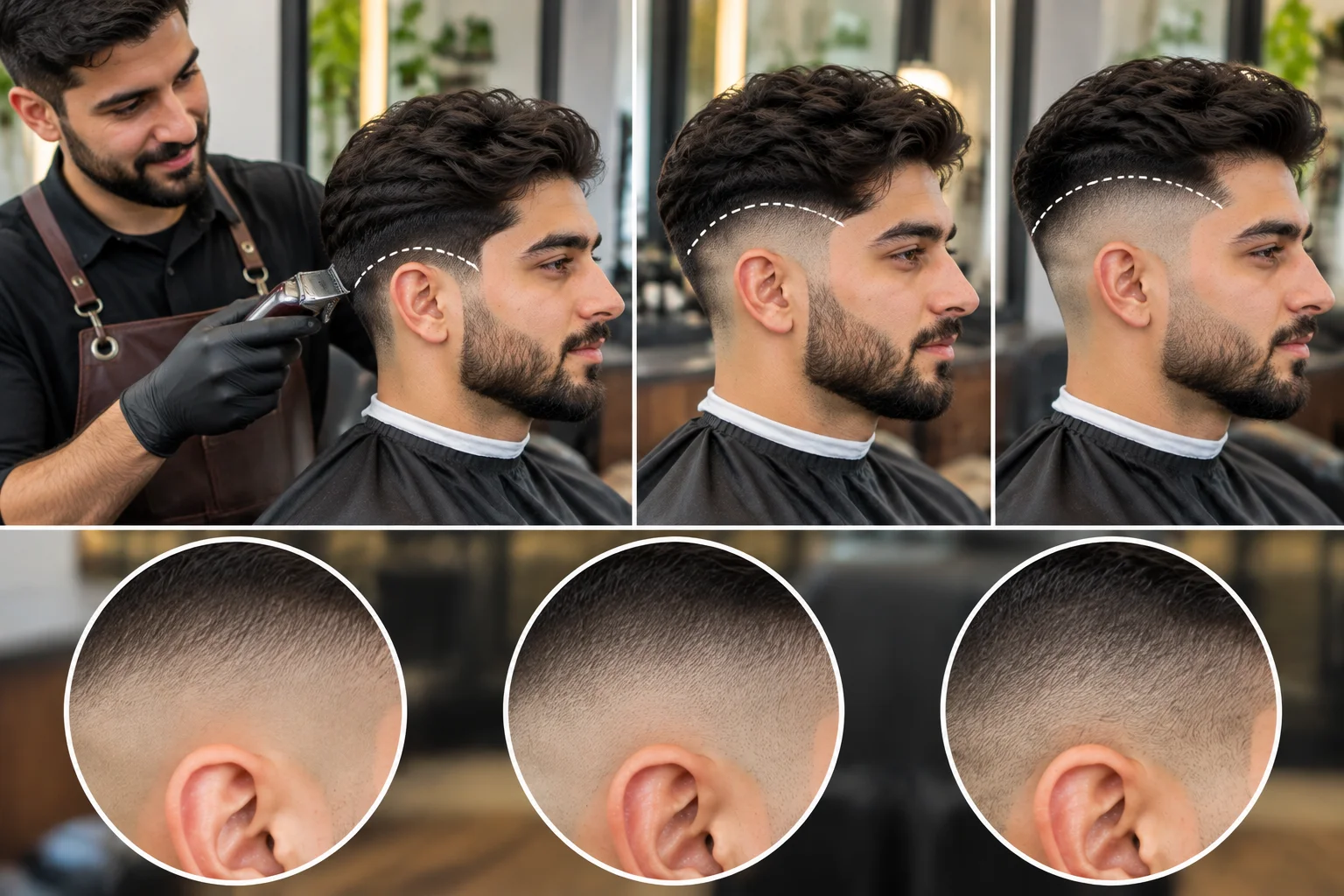
Height and finish are two different choices, and both matter. Height tells you where the fade starts. Low starts just above the ear. Mid starts near the temple. High starts well above the ear, near the brow or the top of the forehead. Finish tells you how short the shortest point gets. Skin, also called bald, goes all the way down to bare skin. Zero is very close, almost skin. Shadow stops at short visible stubble, so you can still see a soft dark shadow, not bare skin.
A low cut can finish at skin, and a high cut can stop at shadow. That is why you must name both. A low shadow taper is soft and discreet. A high skin burst is bold and sharp. Guard numbers can help, but they are not the same on every clipper brand, so do not trust a guard number alone. Ask how short the shortest point will be, and whether skin will show. A shadow finish shows regrowth less and grows out more softly. A skin finish gives the strongest contrast, but the sharp line softens sooner as hair grows.
From my experience, I always ask about the bottom before I start cutting. I have seen a great shape lose its charm just because the bottom went too close to skin for a man who wanted a soft look. A simple sentence like no skin, just short hair can save the whole haircut.
Hair Type and Density
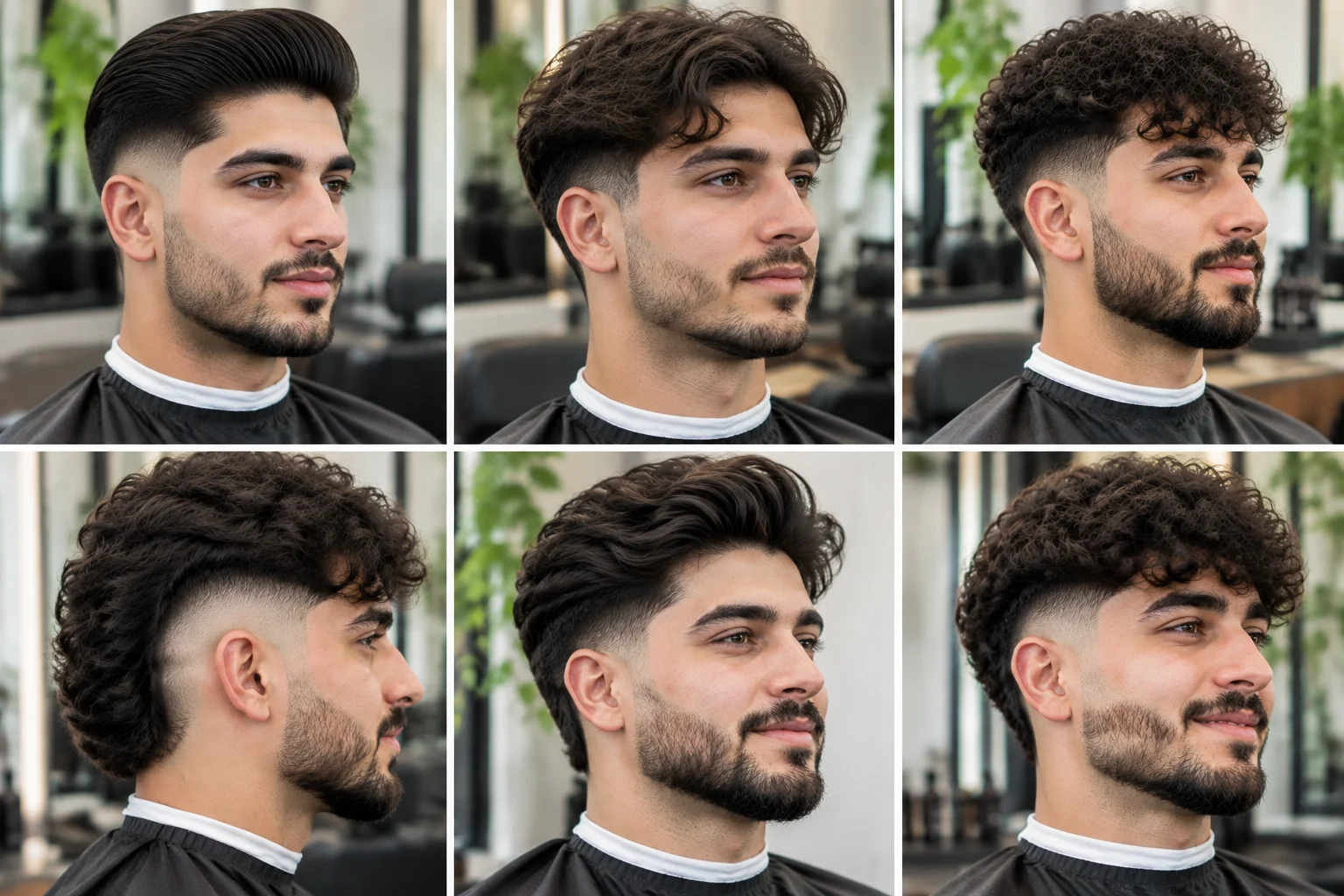
Hair type and density change how the same cut looks. Density means how many hairs you have in one area, and how thick each hair is. Straight hair shows lines very clearly, so a taper fade looks sharp and clean on straight hair, and a burst fade shows its curve very clearly too. Wavy hair gives natural movement, so both fades blend well, and the top can be left a little longer for texture. Curly and coily hair gives volume on top, and a burst fade can frame those curls nicely, while a taper fade can clean up the edges without removing the curl shape. Tighter coils shrink as they dry, so the top length you see when hair is wet will look shorter when it is dry.
Fine or thin hair usually suits a taper fade, because the soft finish keeps more hair near the edges and does not show as much scalp. Thick hair can handle either cut, because it holds shape well on top, but thick sides grow fast and can feel heavy around the ears. If you have a receding hairline or thinning hair on top, a soft taper fade is often kinder than a very high skin fade. The low contrast keeps the top and sides closer in tone, so the hairline does not stand out as much. A short textured top with a taper fade can also make thin hair look fuller, because the sides are tidy and the top keeps its texture. Always show your barber a photo with hair texture and density like yours, not just a face you like.
As a buyer and as a hairstylist, I have learned to test a cut against real life, not just a photo. I ask how much time a man wants to spend styling in the morning, and whether his job allows a bold shape. A cut that fits his hair and his day will always look better than a cut that only looks good in a photo.
Face Shape and Silhouette
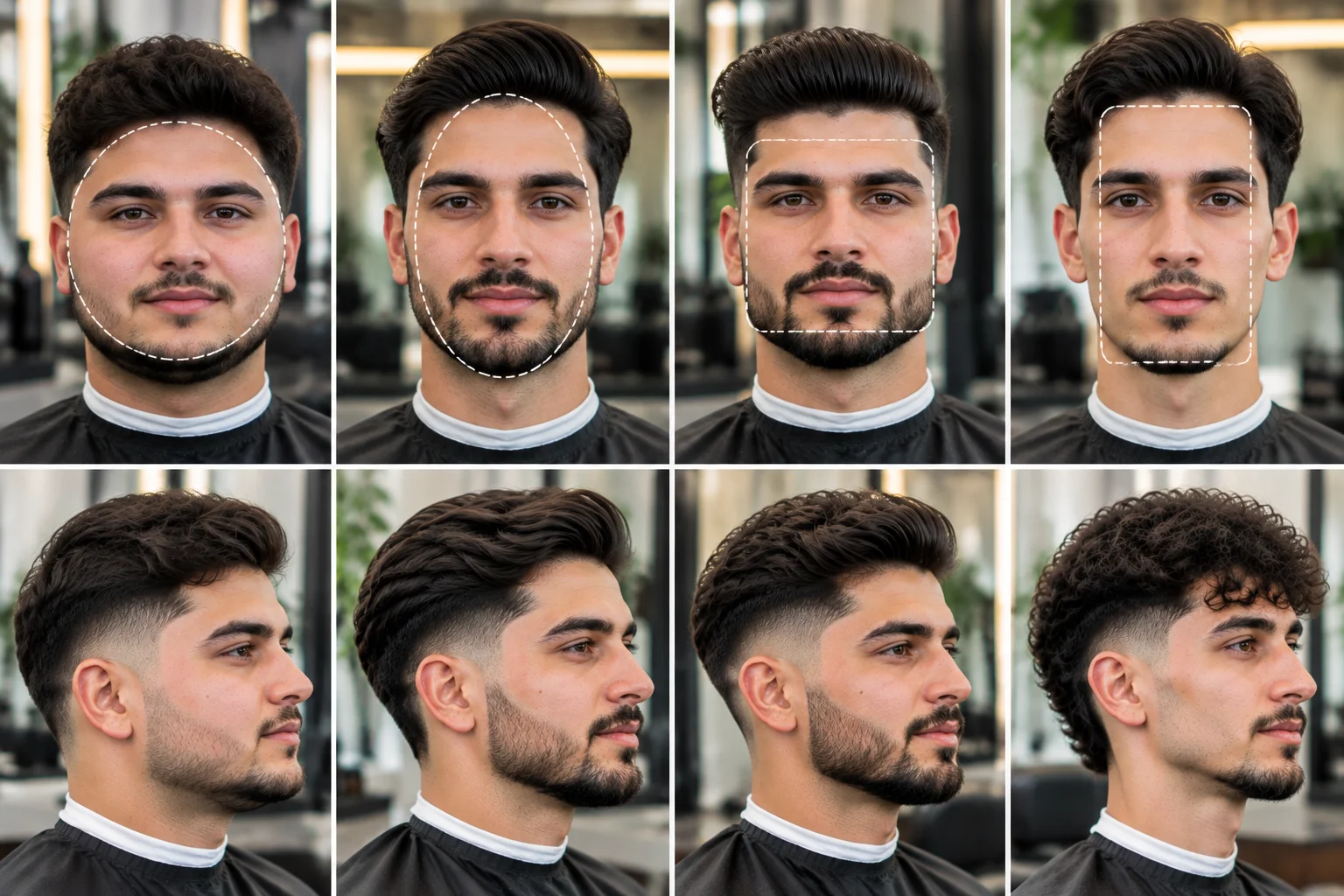
Face shape is a guide, not a rule. It should help you choose, not force your choice. If your face is round, height on top usually helps, because it makes your face look a little longer. A mid taper fade with some height on top, or a burst fade with a textured top, can both work well. But be careful, because a burst curve can add side width and make a round face look rounder if the top is flat. If your face is oval, you are lucky, because most fades suit a balanced oval shape. You can pick by your daily routine and your taste, not by a strict rule.
If your face is square, with a strong jaw, a low or mid taper fade can soften the angles, while a burst fade can frame the jaw with a bold curve. If your face is long, keeping some fullness on the sides usually helps. A low taper fade is often a good pick here, because a very high fade can make a long face look even longer. For heart, diamond, and rectangular faces, the same idea holds: keep more volume on top where you need length, and do not go unnecessarily high on the sides. Your barber should look at your head shape, your beard shape, and your crown and nape length in person before you decide, and you should check the cut from the front, the side, and the back in the mirror.
In my work, I tell men to use face shape as a starting point, then trust what they see in the mirror. A guide on a screen cannot see your hair, your beard, or how you wear your top. The mirror, and a good barber, can.
Top Pairings and Styles
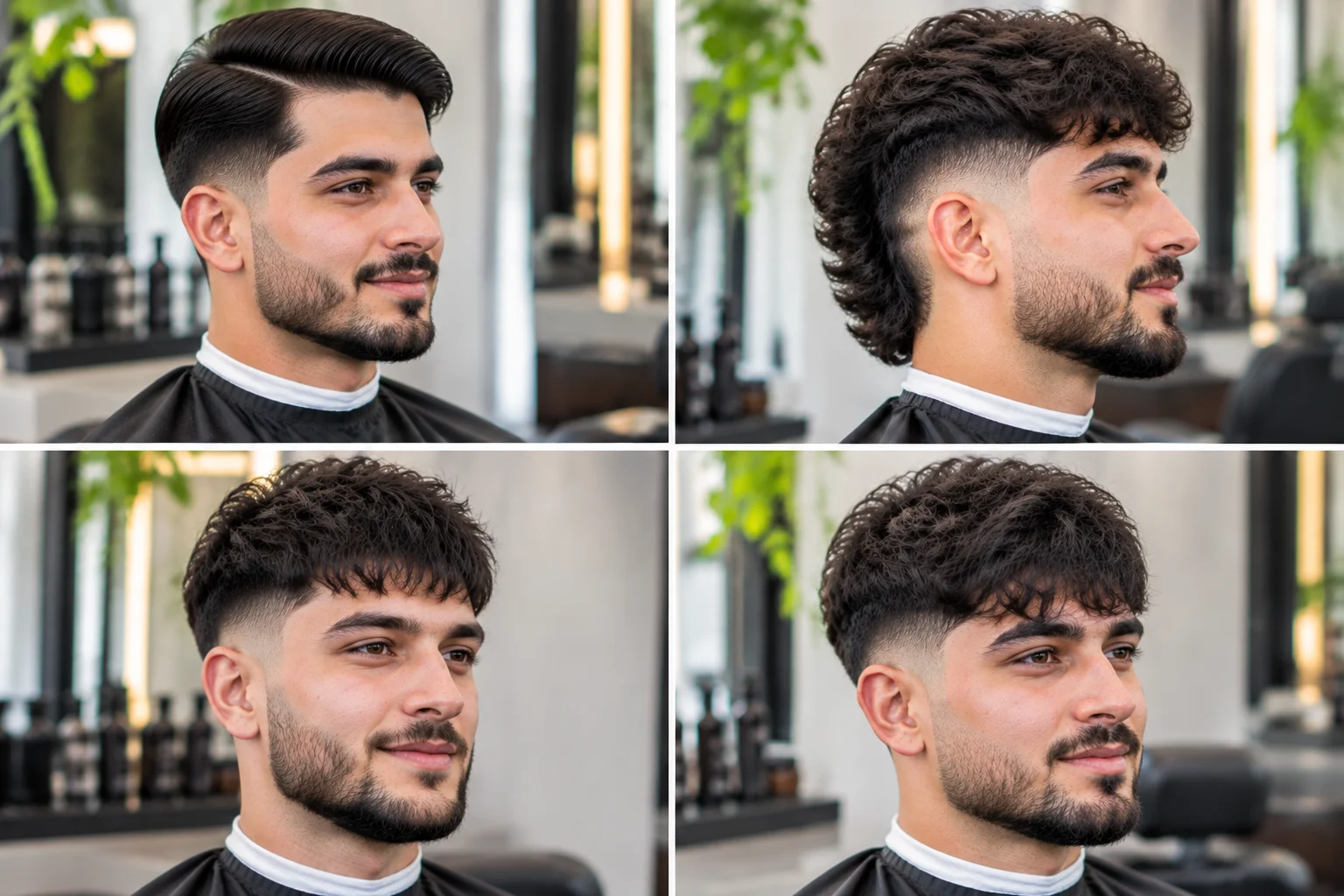
The top is where the cut gets its character. A taper fade pairs well with a side part, a flow cut, curls, an afro, a crop, and a pompadour. The sides stay neat, and the top keeps its natural volume and movement. A burst fade pairs well with a mohawk, a faux hawk, a mullet, a textured crop, a curly top, and an Edgar cut. The sides give the shape, and the back gives the length and personality. A burst fade mullet keeps the back long, while a low taper mullet looks neater and more professional. A textured crop works with both, but it looks bolder with a burst arc and calmer with a taper blend.
Think about the back too. A taper fade usually keeps the back tidy. A burst fade keeps the back longer, which is why it suits a modern mullet and a flattened mohawk. A blowout top is not a cut on its own. It is a styling method, where hair is blown up and out for volume. It can sit on a taper base or a burst base, but it needs daily blow drying and styling effort. If you want a low effort top, pick a short textured crop or a neat side part. If you want a bold top, pick a mullet or a mohawk, and be ready for more styling time.
I have seen many men pick the sides first and forget the top, then wonder why the cut feels flat. The fade is only the base. Your barber sets the structure, and you maintain it every day with your top. Pick the top first in your mind, then pick the sides that fit it.
Maintenance, Grow Out and Cost
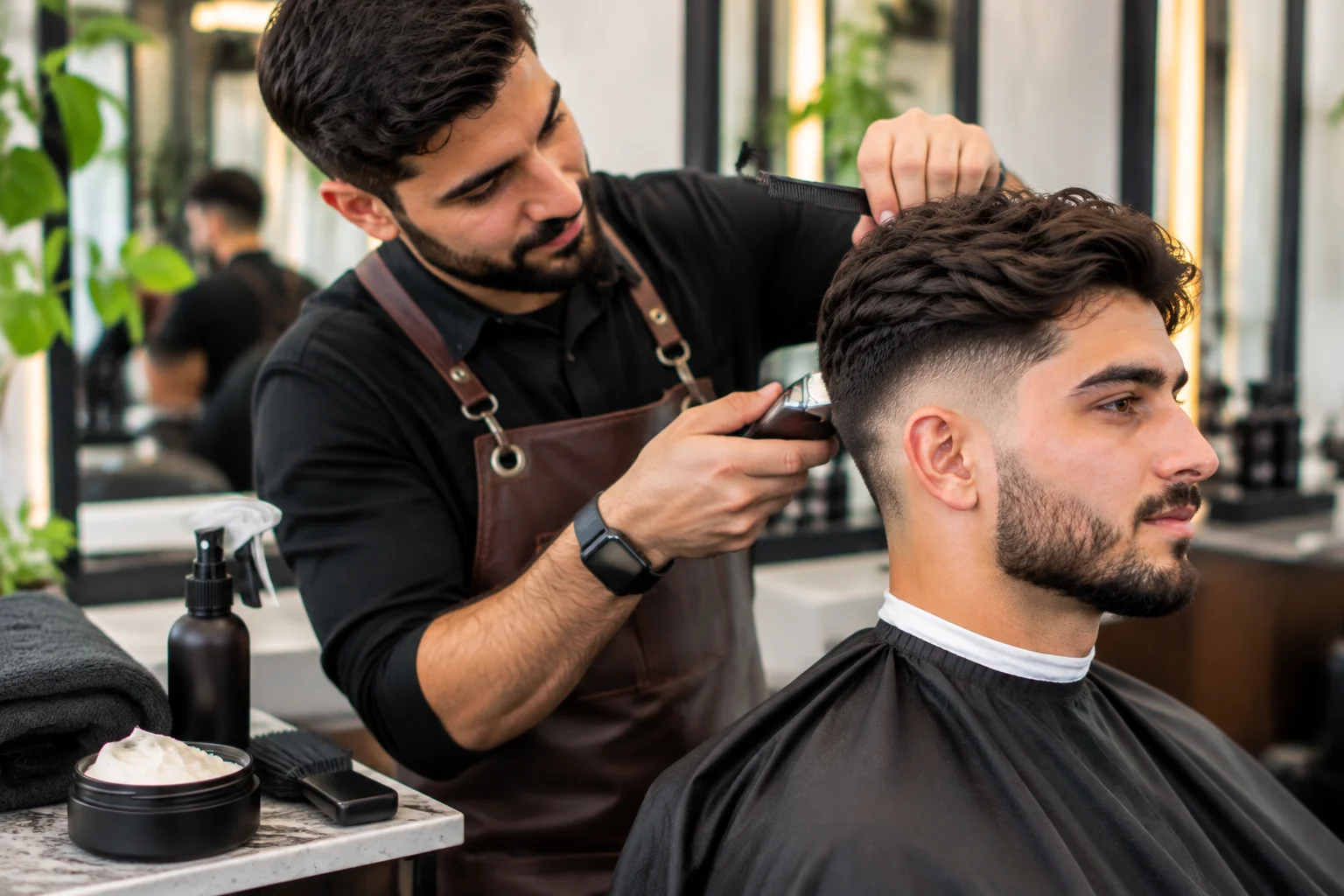
Maintenance is where these two cuts feel very different in daily life. A taper fade usually grows out in a gentle way. The soft blend means new growth does not create a hard line right away, so the cut can still look neat for a longer time. A burst fade usually needs care sooner, because the curve around the ear is a precise shape. Once that curve starts to grow out, the round frame can look fuzzy, and the bold effect fades. As a guide, a burst fade often needs a touch up every 2 to 3 weeks, and a taper fade often lasts 3 to 4 weeks, sometimes 4 to 5 weeks with a shadow finish. Hair grows about half an inch a month, so by week 3 or 4 the outline starts to blur, and by week 4 and beyond the cut can look suddenly overgrown.
Between visits, simple care helps a lot. Wash your hair as you normally would, use only a small amount of product, and let the top keep its natural texture. A matte clay or a sea salt spray works well for textured tops, because a matte finish keeps the contrast clean. A shiny gel or glossy wax can crush the contrast and make the fade look less sharp, so use matte products only for a burst arc. Do not try to fix the curve around the ear yourself with clippers at home, because a small slip can break the shape on one side. A quick tidy of the neckline by your barber can help the cut last a little longer, but the blend itself is barber work. Moisturise your scalp too, because skin that is cut very close can feel dry.
Cost also differs. A burst fade often costs more, because it needs more technical skill and more time. The price depends on your location, the barber, and the shop. One competitor guide gave 15 to 25 euros per visit in its market, but prices in your city will differ, so ask your barber before you sit down. Book your next visit before you leave the chair, so the curve does not fade into a blurry cut while you wait.
In my work, I tell men to book their next visit when the cut stops looking intentional, not when it looks messy. With a taper fade, that moment comes later and feels gradual. With a burst fade, that moment comes sooner, and it is usually the curve around the ear that tells you first.
Work, School and Discreet or Bold Look
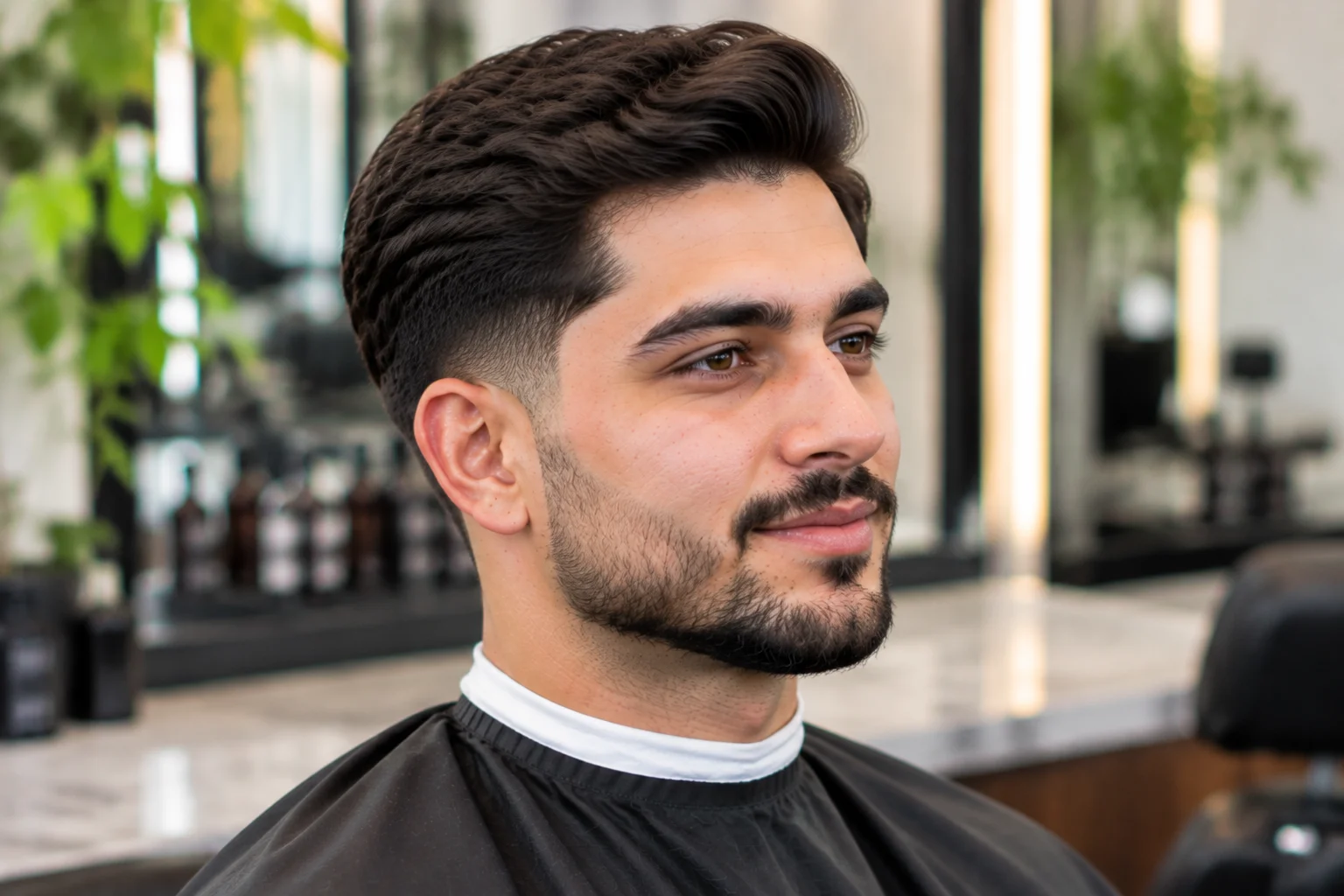
Your work and school rules matter more than the name of the cut. A low or shadow taper is the safer choice for a classic office, a conservative workplace, or a school with a written grooming policy. It is discreet, it changes your side profile less, and from the front it can look almost the same as a neat short cut. A burst fade is bold, assertive, and noticeable from the side. It can carry a street or fashion look, and it can be seen as a style feature on its own. That is not a fault. It is the point of the cut, if that is what you want.
Height and finish matter more than the name here. A low shadow burst can be much calmer than a high skin taper, even though one is called burst and the other is called taper. If your workplace is strict, pick a low height and a shadow finish, no matter which shape you pick. If your workplace is creative or casual, you have more room to pick a high arc and a skin finish. Always check your dress code first, and ask your barber to keep the top tidy if you need a polished look.
As a hairstylist, I have seen men love a bold cut on the weekend and struggle with it on Monday morning. Think about Monday first. A cut you can wear at work without worry will feel better every day than a cut you have to hide.
How to Choose the Right Cut
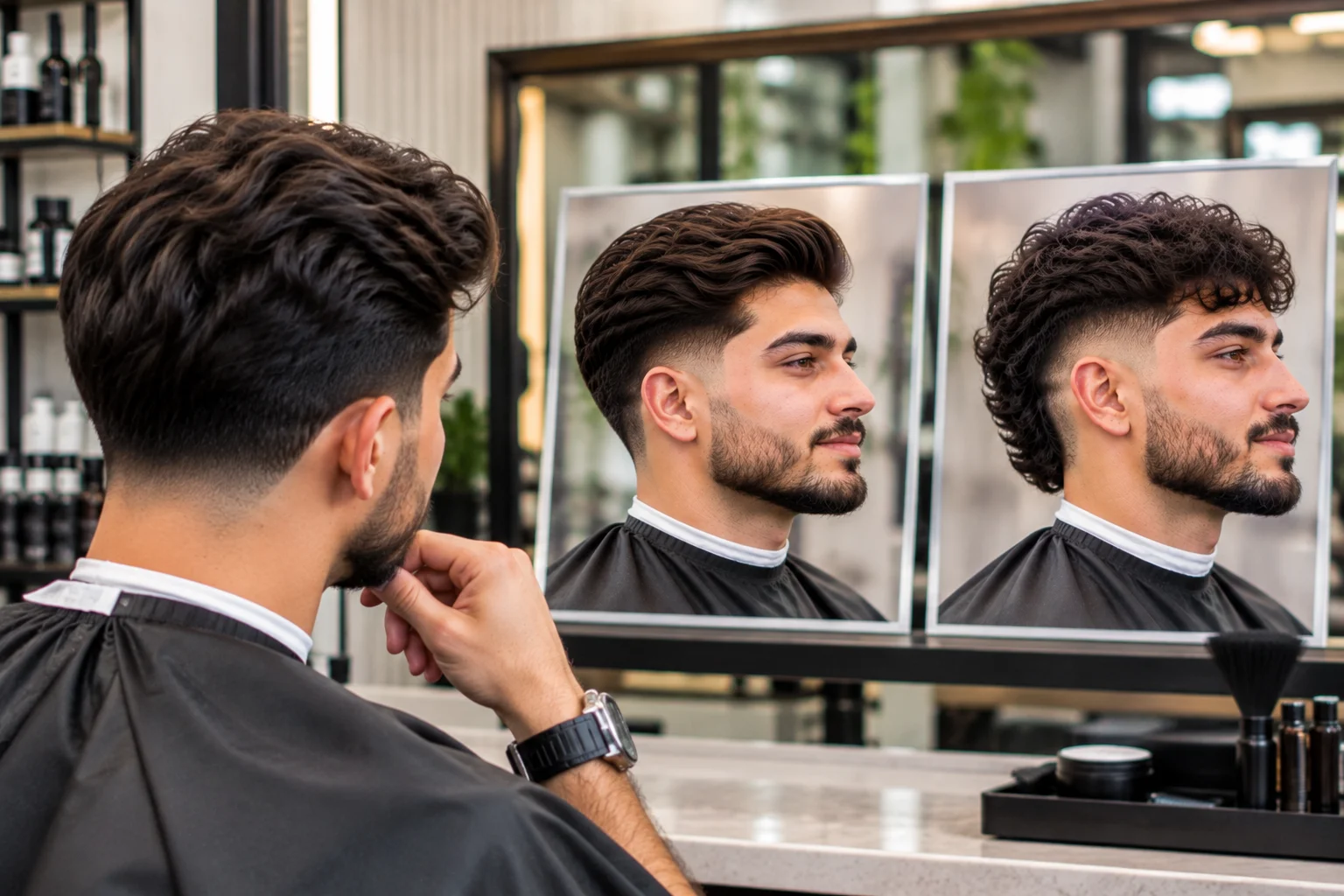
There is no best cut for everyone. Choose by the result you want, not by the name alone. If you want a subtle, office friendly outline, fewer barber visits, and a smoother grow out, a low taper with a shadow finish is a strong pick. If you want the fade itself to be the style feature, a bold look, strong contrast, and a crisp fresh cut, a burst fade with a clear arc height is a strong pick. If you are growing a mullet, a mohawk, or a faux hawk, a burst fade keeps the back length you need. If you like curls, waves, or a side part that keeps width, a taper fade leaves the side panel alone and keeps that width.
Ask yourself three honest questions. How much time will you spend styling every day? How often are you happy to visit the barber? And where will you wear this cut most, at work, at school, or in a creative setting? If you want low maintenance, pick a taper. If you are happy with a visit every 2 to 3 weeks and daily styling, pick a burst. If you are not sure, start with a low taper or a low fade. You can always go shorter at your next visit, but you cannot undo a very high, very close cut the same day.
From my experience, the men who are happiest with their cut are the ones who choose by their life, not by a trend. A cut that fits your hair, your work, and your morning routine will look better in real life than a cut that only looks good in a photo.
What to Tell Your Barber
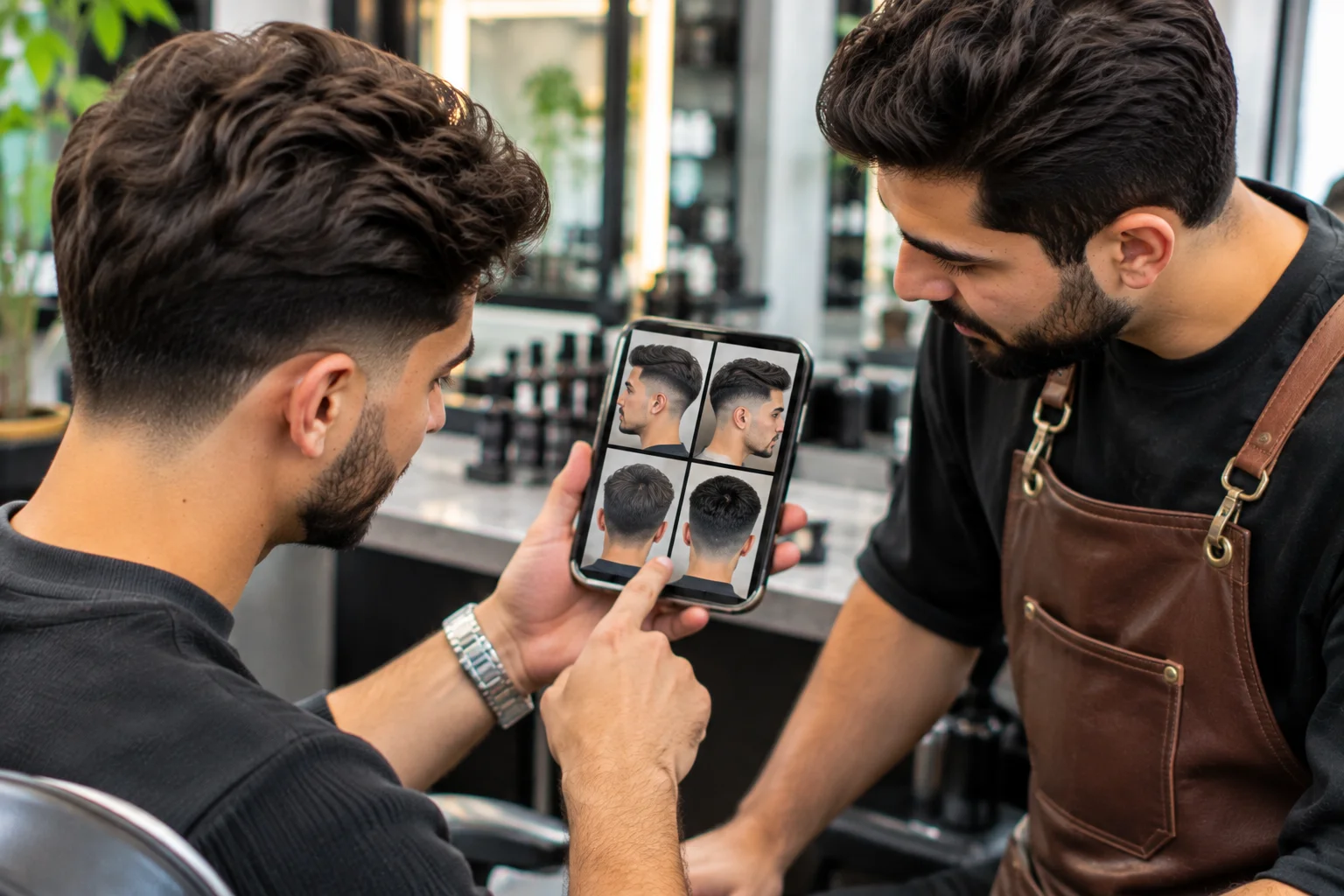
A good haircut starts with a clear talk before the clippers come out. Tell your barber five things, in this order. First, the geometry. Say taper fade if you want the soft slope, or burst fade if you want the curve around the ear. Second, the height. Say low, mid, or high. Third, the finish. Say skin, zero, or shadow. Fourth, the back and nape. Say if you want the back to stay long, partly tapered, or fully tapered and clean. Fifth, the top and edges. Say the top length, the top texture, and whether you want a sharp line up or a soft line up, and whether the line up is included.
Bring photos from the front, the side, and the back, and make sure the photos match your hair type and density. A front photo alone is not enough, because a burst fade and a taper fade can look almost the same from the front. Show a clear side view and a back view. Use simple terms, and ask your barber to talk through the cut before he starts. You can use a copy request like this for a burst fade: low burst fade curving around the ear, start at zero rather than bare skin, keep length through the back, and blend the burst into the top. For a taper fade, you can say: low shadow taper at the temples and neckline, keep hair above and behind the ear full, and do not turn it into a full fade around the sides. Check your barber’s portfolio too, especially for the exact variation you want, because a burst arc needs more advanced skill than a basic taper.
From my experience in the chair, the best visits are the ones where the man brings two or three clear photos and one clear sentence about the shape, the height, and the finish. I have seen vague requests lead to the most disappointment, even when the barber is skilled. Clear words do not limit the barber. They help him give you the cut you actually pictured.
Common Mistakes to Avoid
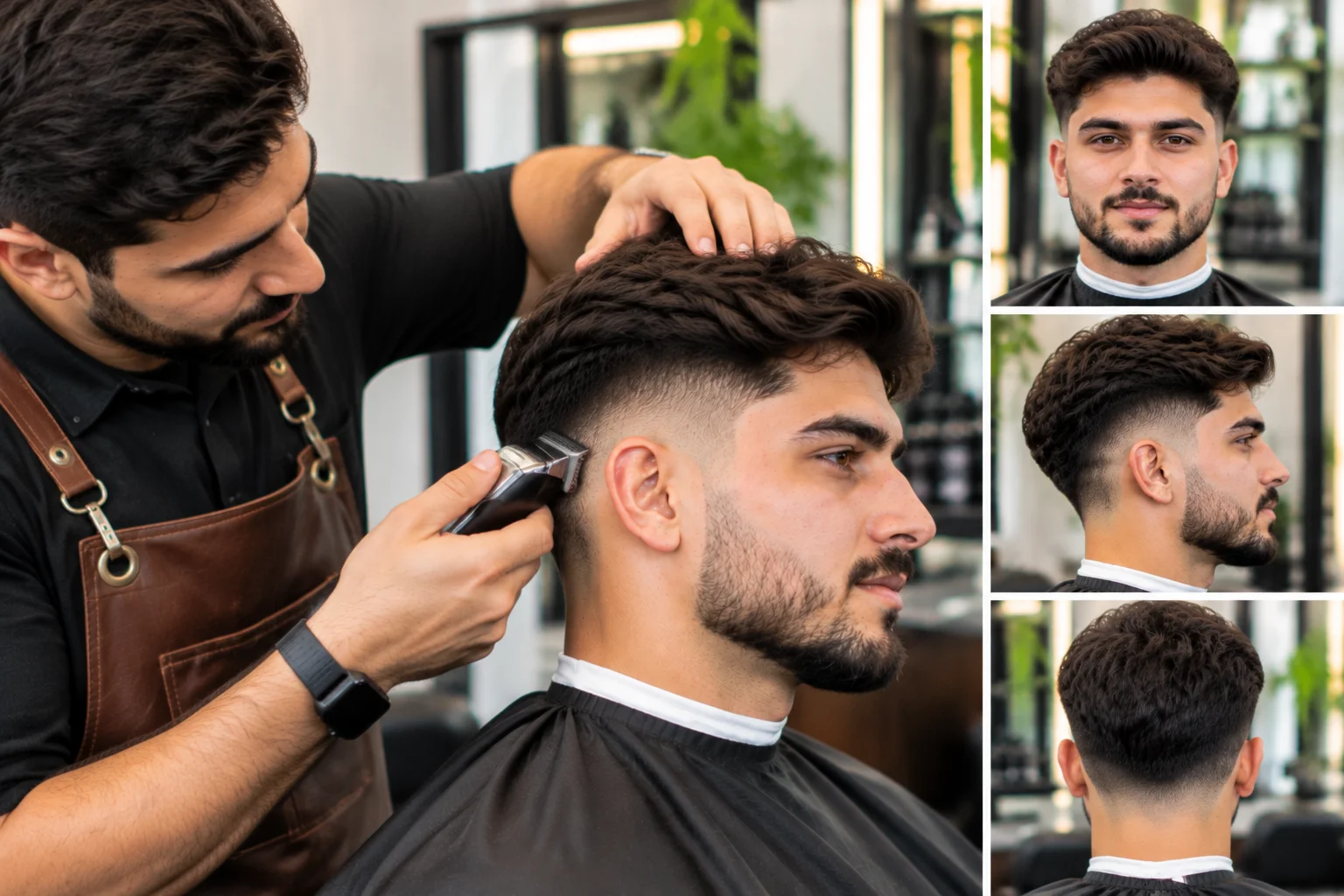
The most common mistake is asking for just a fade with no other detail. That one word can mean a taper, a burst, a skin fade, a drop fade, and many other shapes. Another common mistake is picking a high burst fade as your very first fade. It is bold, and it needs more upkeep, so it can feel like a shock if you are used to a soft cut. If you are unsure, start low and soft. You can always go higher or bolder at your next visit, but you cannot undo a very high, very close cut the same day.
Another mistake is assuming a burst fade must go to skin. It does not. Ask for zero or shadow if you want a softer finish. Leaving the nape unmentioned is also a mistake, because length removed takes weeks to return. Bringing only a front view photo is a mistake for the same reason. Letting the arc travel too far can turn a burst fade into a drop fade, which dips lower at the back. Treating guard numbers as universal is a mistake too, because sizes do not match across clipper brands. Using a shiny product on a burst arc can crush the contrast, so use matte products only. Neglecting the top is the most expensive mistake, because you pay for a technical cut and then let the top fall flat. And do not let regrowth run wild. After three weeks the arc fades, the cut turns blurry, and a late visit cannot always bring back the crisp frame without a shorter recut.
I have made and fixed many of these mistakes in my own work, and the lesson is always the same. Slow down for one minute before the cut, name the shape, the height, and the finish, and check the back and the sides in the mirror. That one minute of care is what turns a good photo into a haircut you will enjoy every day.
If Neither Cut Is Right
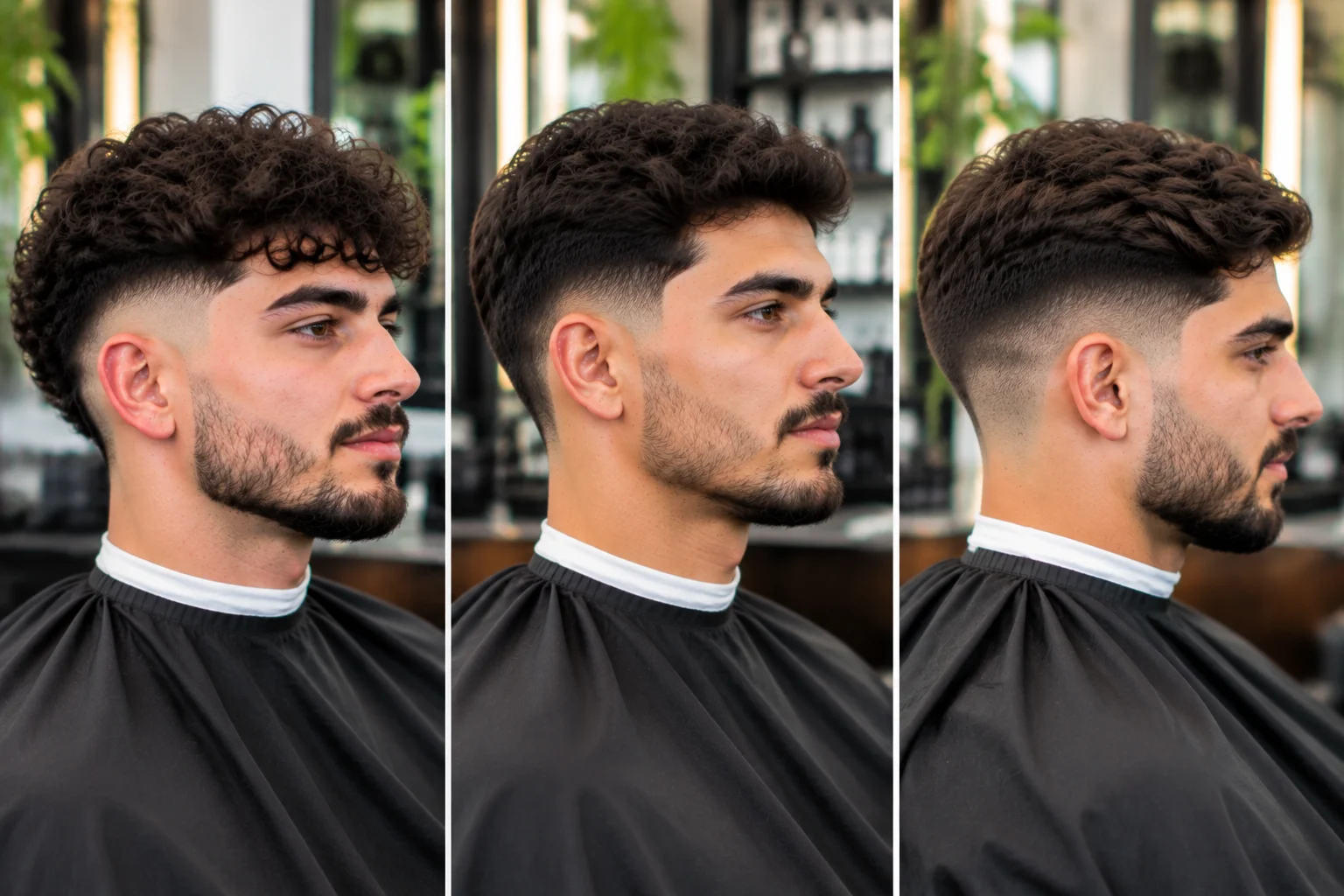
If neither cut feels right, you still have good options. A drop fade runs around the head and dips lower behind the ear before the neckline. A burst fade is centred on the ear and ends at the side of the neck, while a drop fade dips at the back. A temple fade is short work at the front, near the temple and sideburn, and it does not necessarily continue around the back. A full low fade or a full mid fade grades the entire side and back continuously, and covers far more area than a taper or a burst arc. You can also combine cuts. A burst arc around the ear with a taper at the nape is a common combination, and a blowout style can sit on different bases, but remember that a blowout is a styling method, not a cut on its own.
If you switch later, you can grow the cut back and change it. A taper can grow into a burst shape only after enough length returns, and a burst can grow into a taper shape as the arc softens. Talk to your barber about the change, and bring photos of the new cut from the side and the back, not just the front.
As a hairstylist, I often suggest an alternative when a man loves the idea of a burst fade but hates the upkeep, or loves a taper fade but wants a little more shape. A drop fade or a temple fade can give that middle ground, without forcing a cut that fights your routine.
Frequently Asked Questions
A taper fade follows the natural hairline in a gentle slope and keeps more side weight. A burst fade curves in a half moon arc around the ear, keeps the back longer, and makes the ear area the main shape.
No. A burst fade can finish at skin, zero, or shadow. If you want a softer finish, ask for zero or shadow, and say clearly that you do not want bare skin.
No. A taper fade can finish at skin, zero, or shadow too. A shadow taper stops at short visible stubble and grows out more softly than a skin taper.
A low taper with a shadow finish usually grows out most softly. A burst fade shows regrowth first in the tight area behind the ear, so its curve blurs sooner.
Yes to both. Straight hair shows the burst curve very clearly. Curly hair works well with a taper fade, because the taper cleans the edges without removing the curl shape. Show a photo with your own hair texture.
A low taper with a shadow finish is the safest choice for a classic office. Height and finish matter more than the name, so a low shadow burst can also be calmer than a high skin taper.
Yes. A common combination is a burst arc around the ear with a taper at the nape. Tell your barber both parts clearly, or the cut can turn into a full fade or a drop fade.
A burst fade often needs a touch up every 2 to 3 weeks. A taper fade often lasts 3 to 4 weeks, sometimes longer with a shadow finish. Book your next visit before you leave the chair.




- Be Respectful
- Stay Relevant
- Stay Positive
- True Feedback
- Encourage Discussion
- Avoid Spamming
- No Fake News
- Don't Copy-Paste
- No Personal Attacks
- Be Respectful
- Stay Relevant
- Stay Positive
- True Feedback
- Encourage Discussion
- Avoid Spamming
- No Fake News
- Don't Copy-Paste
- No Personal Attacks
