High Fade vs Low Fade Maintenance: How Often to Get a Haircut for Men
Published: 12 Nov 2026
I learned the difference between a high fade and a low fade the hard way, by watching both grow out on my own head. The high fade looked sharp on day one, then the sides started to show growth within a week. The low fade stayed neat for much longer, and I could push the next visit back without looking untidy. That is why the right maintenance schedule depends on more than a fixed number of weeks. It depends on the height of the fade, how fast your hair grows, and how much sharpness you want to keep.
In this guide, I compare high fade vs low fade maintenance in plain terms, and I share the exact timing I use with my clients. You will see a simple calendar for each fade, the signs that tell you it is time to book, and easy ways to stretch a cut for one more week when life gets busy.
What a High Fade and a Low Fade Really Are
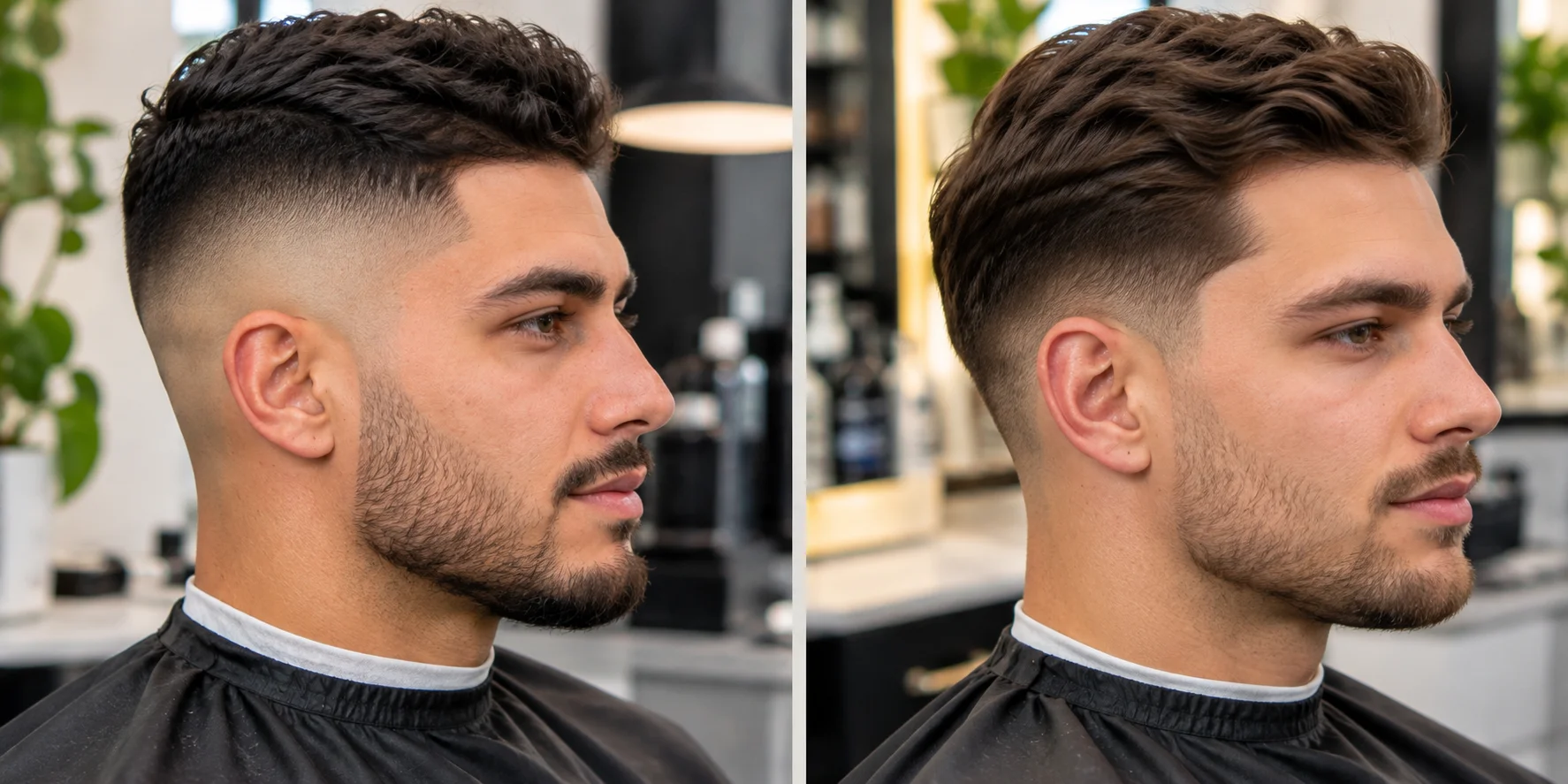
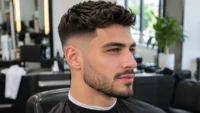
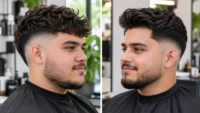
A low fade starts just above the ears, and it blends up in a slow, gentle way. Most of the hair on the sides stays longer, so the change from short to long is soft. That soft change is why a low fade looks neat in an office and why it ages well between visits. A high fade starts much higher, near the temples. The blend is shorter and the contrast is stronger, so the sides look clean and bold from the first day. That bold look is the reason so many men choose it for a textured crop, a quiff, or a buzz cut.
The finish is a separate choice from the height. A skin fade goes down to bare skin at the bottom, and a shadow fade keeps a soft, darker finish instead. You can have a low skin fade or a high shadow fade, and each one changes how fast the cut shows growth. In my chair, I always ask about the finish as well as the height, because that pair decides how long the cut will look fresh. If you want a softer grow out, a shadow finish helps. If you want the sharpest line, a skin finish gives it, but it needs a quicker return visit.
High Fade vs Low Fade Maintenance: The Short Answer
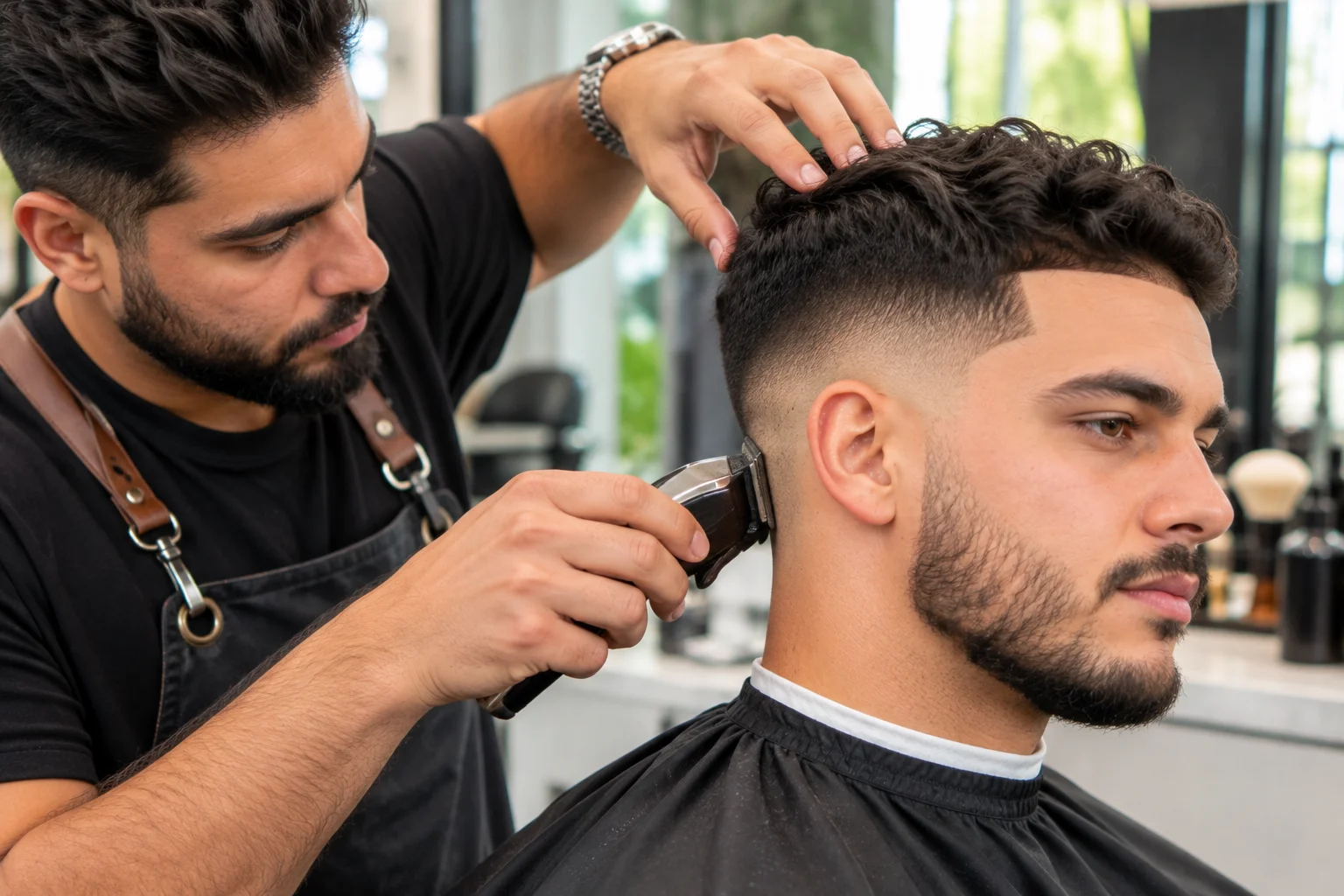
If you want the short answer, here it is. A high fade usually needs a fresh cut every 2 to 3 weeks, and a skin high fade needs one every 1 to 2 weeks. A low fade usually lasts 3 to 4 weeks, and many men stretch it to 4 to 6 weeks with a quick neckline cleanup in between. A mid fade sits in the middle at 2 to 4 weeks, and a taper can last 4 to 5 weeks because it grows out so gently.
That gap exists because a high fade shows growth sooner. The blend covers more of the head, the contrast is stronger, and even a few millimetres of new hair soften the line. A low fade hides the same growth because the blend is lower and the sides keep more length. I tell my clients to pick the fade that fits their real schedule, not just the look they like on day one. If you can visit the barber every two weeks, a high fade will stay sharp. If you want more time between visits, a low fade is the smarter choice.
How Often to Get a High Fade Haircut
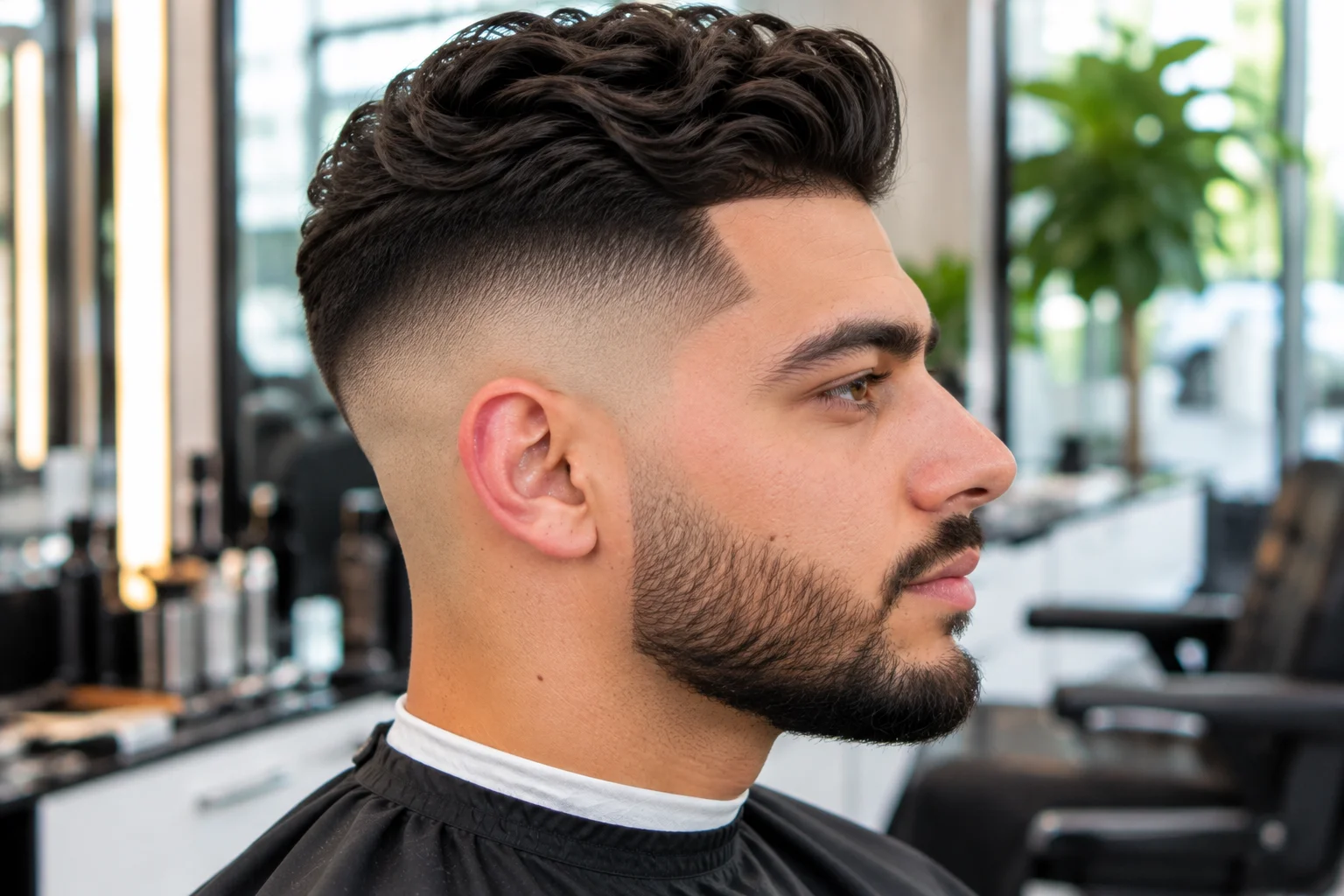
In my chair, a high fade is a two week cut for most men who want it sharp. The sides stay clean for the first week, then the skin part starts to show stubble and the blend starts to soften. By week three, the shape is still there, but the crisp edge is gone and the sides look thicker. If you wait four weeks, the cut often looks like a grown out short cut, not a fade at all.
Fast growers need to book even sooner. If your hair grows about half an inch a month, a high skin fade can lose its clean line in 7 to 10 days. Dark hair shows that growth sooner, and thick hair pushes the sides out faster. I book my high fade clients every 2 weeks, and I add a short lineup in between when they have a wedding, a photo day, or a job interview. That lineup keeps the forehead, temples, and neckline sharp without a full cut.
How Often to Get a Low Fade Haircut
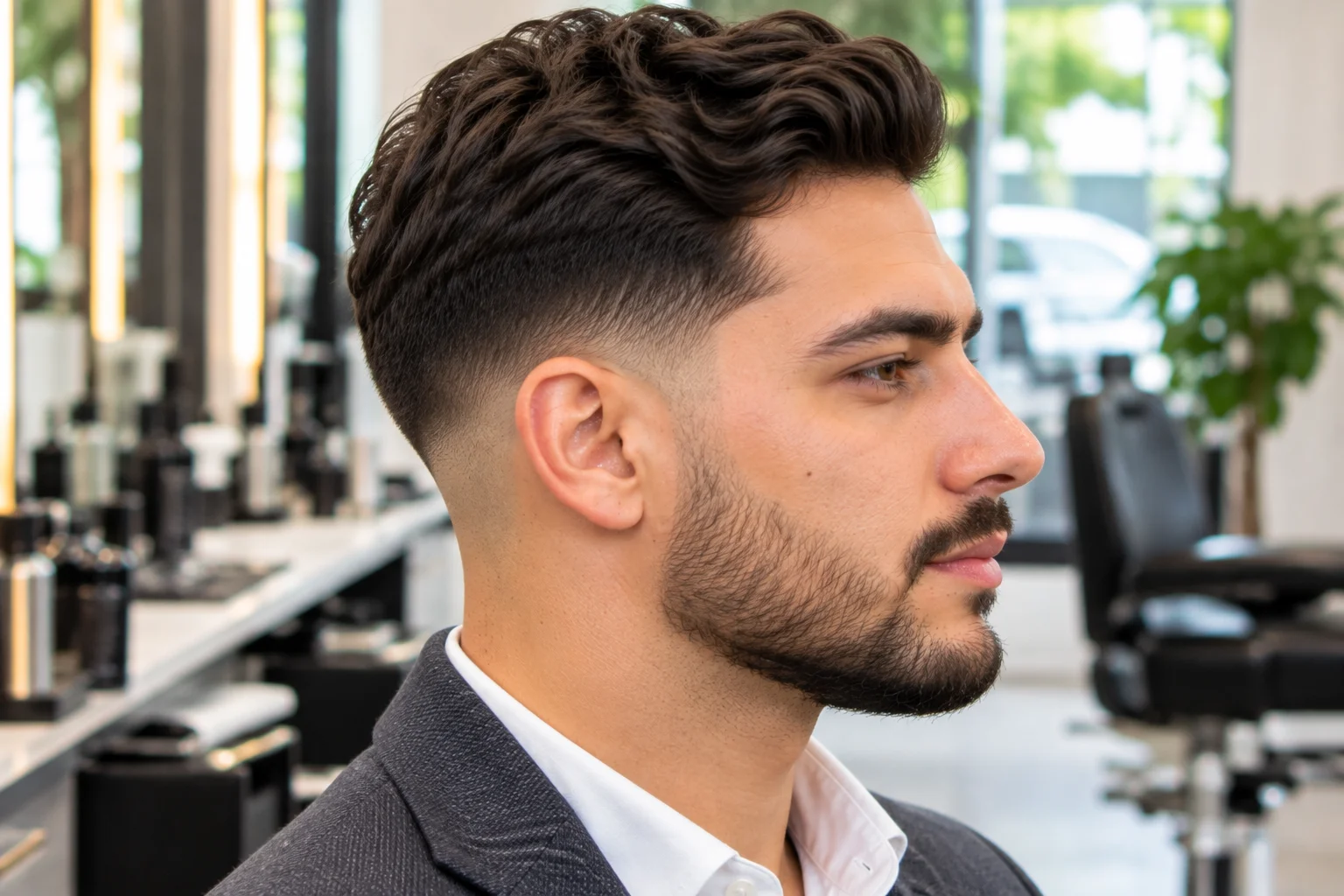
A low fade is the easiest fade to live with. I usually book low fade clients every 3 to 4 weeks, and many of them are still happy at week four. The blend is low and gentle, so new growth joins the longer hair on the sides instead of standing out. The neckline and the hair around the ears are the first parts to look fuzzy, and a small cleanup there can carry the cut to week five or six.
That slower schedule is why a low fade works so well for office life and for men who travel. It stays tidy without a weekly visit, and it grows out without a hard line. If you want a low fade that lasts even longer, ask your barber for a shadow finish and a slightly longer guard on the sides. You can read how a low fade fits a work setting in our guide to the low fade haircut for men office professional, and it will help you choose the right length for your job.
A Simple Maintenance Calendar by Fade Height and Hair Growth

Here is the calendar I use as a starting point. A skin high fade needs a cut every 1 to 2 weeks. A regular high fade needs one every 2 to 3 weeks. A mid fade needs one every 2 to 4 weeks. A low fade needs one every 3 to 4 weeks, and a low taper can go 4 to 5 weeks. These times assume average growth, about half an inch a month, and a clean, sharp look.
Now adjust that calendar for your own hair. If your hair grows fast, move one week earlier. If it grows slowly, add a week. Straight and fine hair shows growth sooner, so book at the early end of the range. Thick, curly, and coily hair hides growth better, so you can often wait a little longer. If you like a softer look, you can stretch any fade by a week. If you want it sharp all the time, stay at the early end and book your next visit before you leave the chair.
Signs Your Fade Is Ready for a Fresh Cut
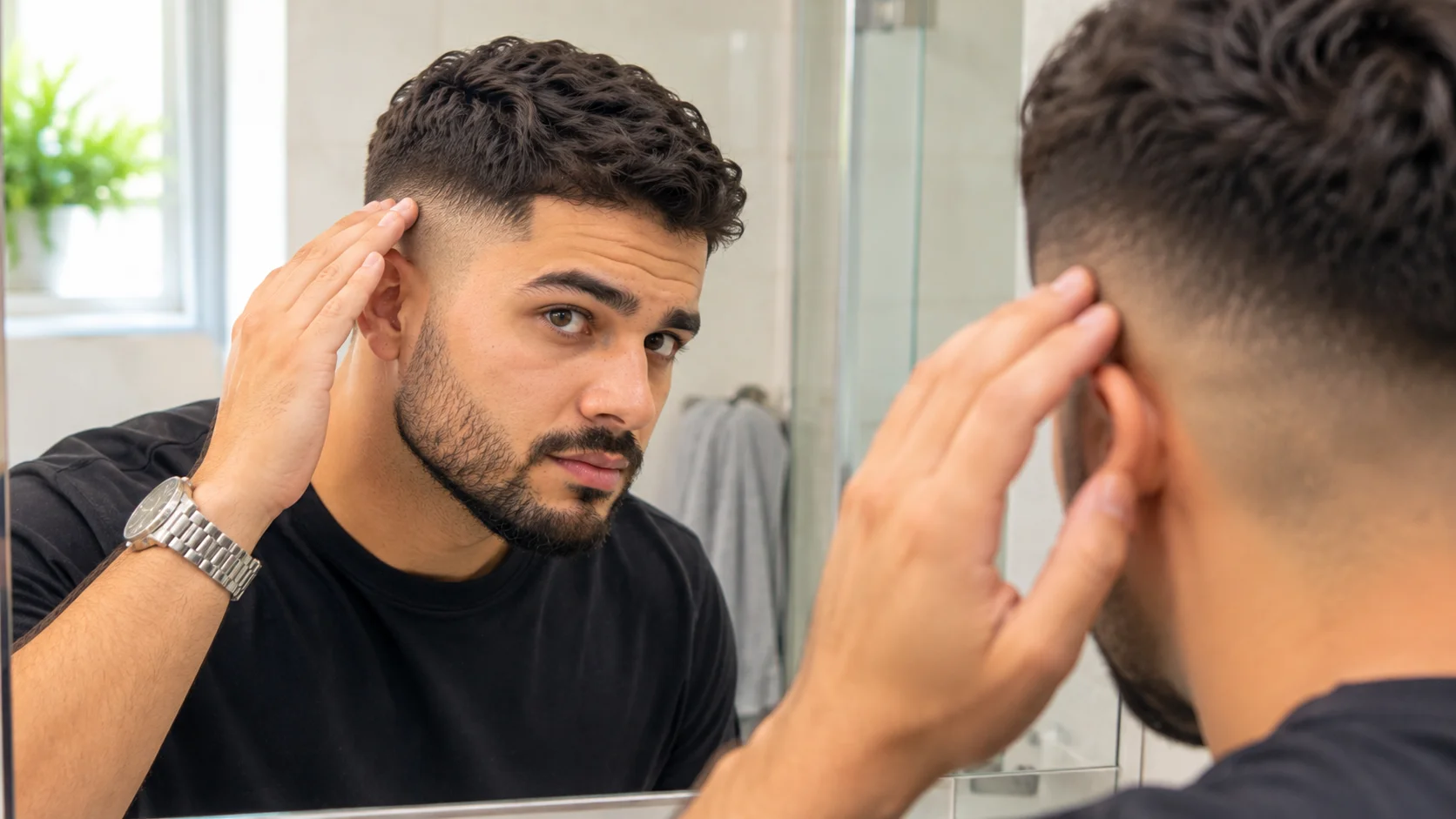
You do not need a calendar to know when a fade is done. Look in the mirror first. The sides start to puff out and the shape turns round instead of clean. The neckline creeps down toward the collar, the hair around the ears looks fuzzy, and the blend turns into one flat wall instead of a smooth gradient. When two of those signs show up, it is time to book.
Your styling routine tells the same story. The top will not sit the way it did on day one, and no amount of product fixes it. A photo makes it clear too. If your hair is the first thing you notice in a picture, the fade has lost its shape. I ask my clients to take a quick photo the day after a cut and again two weeks later. That pair of photos shows your own growth speed better than any general rule.
How to Stretch Your Fade for One More Week
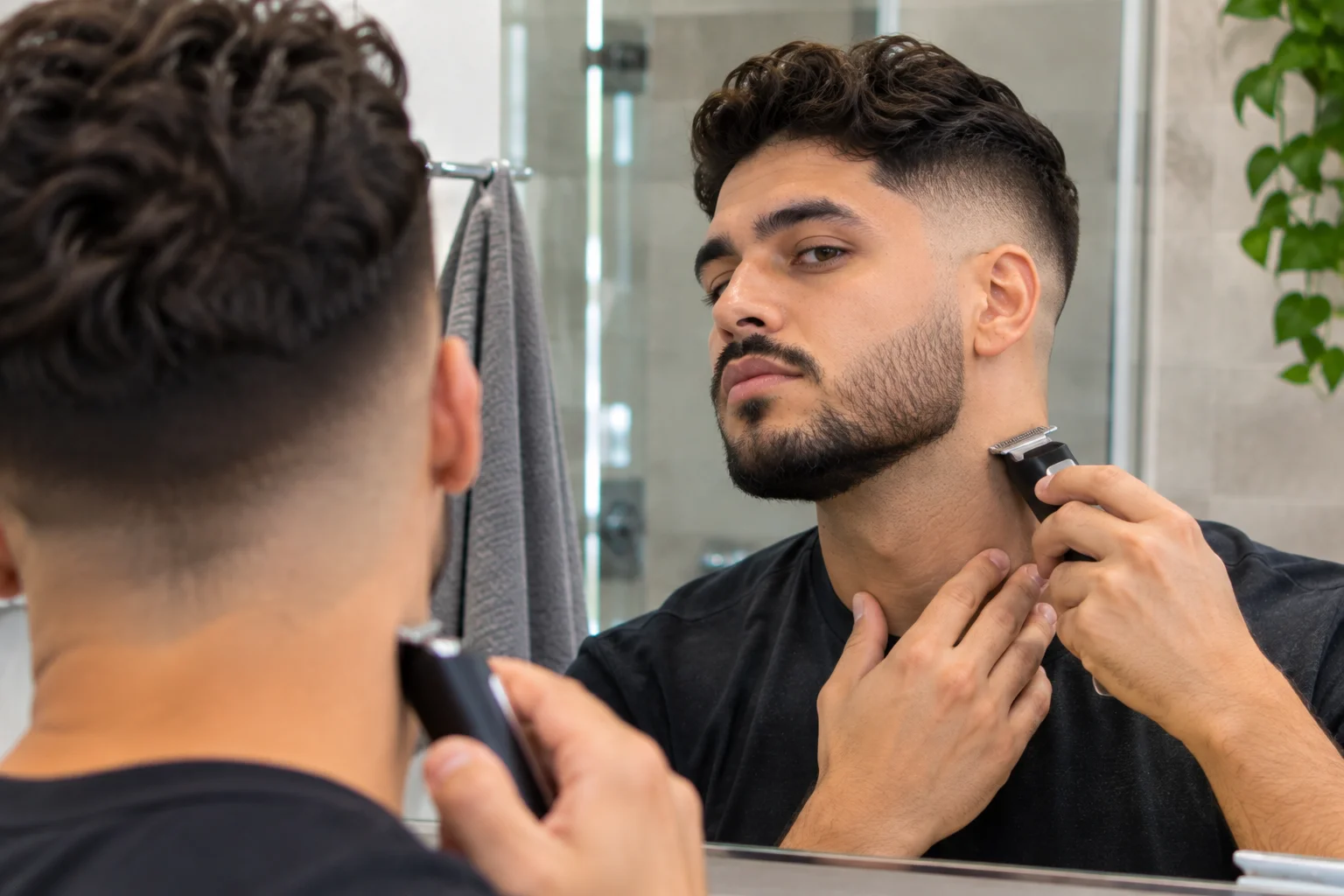
A busy week should not mean a messy cut. The fastest fix is a short cleanup between full cuts. Ask your barber for a lineup only, or clean the neckline and sideburns at home with a detail trimmer every 5 to 7 days. Follow the natural line, do not push it back, and leave the blend alone. A lineup takes about 15 to 30 minutes and costs far less than a full haircut, and it can buy you a full extra week.
Daily care matters just as much. Wash 2 to 4 times a week with a light shampoo so product does not build up and flatten the sides. Use a small amount of matte clay or cream on the top, and brush the hair into place each morning so the shape stays even. Rinse out sweat after a workout, protect the skin on your neck and ears with sunscreen, and sleep on a smooth pillowcase so the sides do not rub out of shape overnight.
What Changes Your Schedule: Hair Type, Face Shape, Work, and Budget
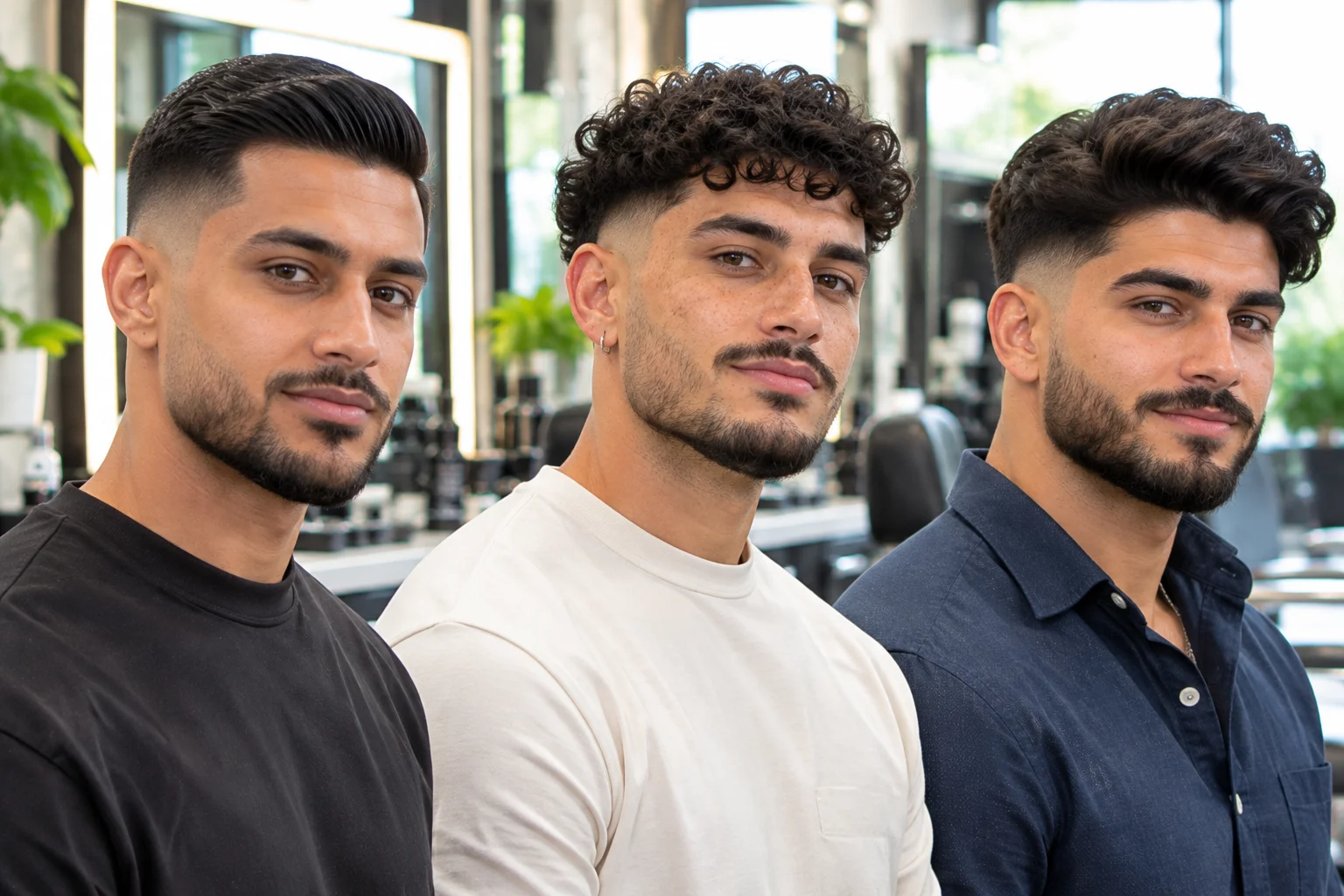
Your hair type moves the calendar more than anything else. Fine, straight hair shows every millimetre of growth, so a high fade can look soft in 10 days. Thick hair holds its shape longer, but it also pushes the sides out once it grows, so the outline changes fast. Curly and coily hair hides growth well, and the shape stays neat for longer, although the outline around the temples and ears still needs tidying. A low taper fade is a good middle choice here, because it grows out gently on most hair types.
Face shape, work, and budget matter too. A high fade adds height, so it suits a round face and a man who wants a bold look. A low fade suits a long face and a quiet office, because it keeps the shape soft. If you meet clients every day, book at the early end of your range. If cost is tight, choose a low fade and add a lineup between cuts instead of a full cut every two weeks. That plan keeps you looking neat for less money, and it works with a standing appointment with the same barber.
What to Tell Your Barber So the Cut Lasts Longer

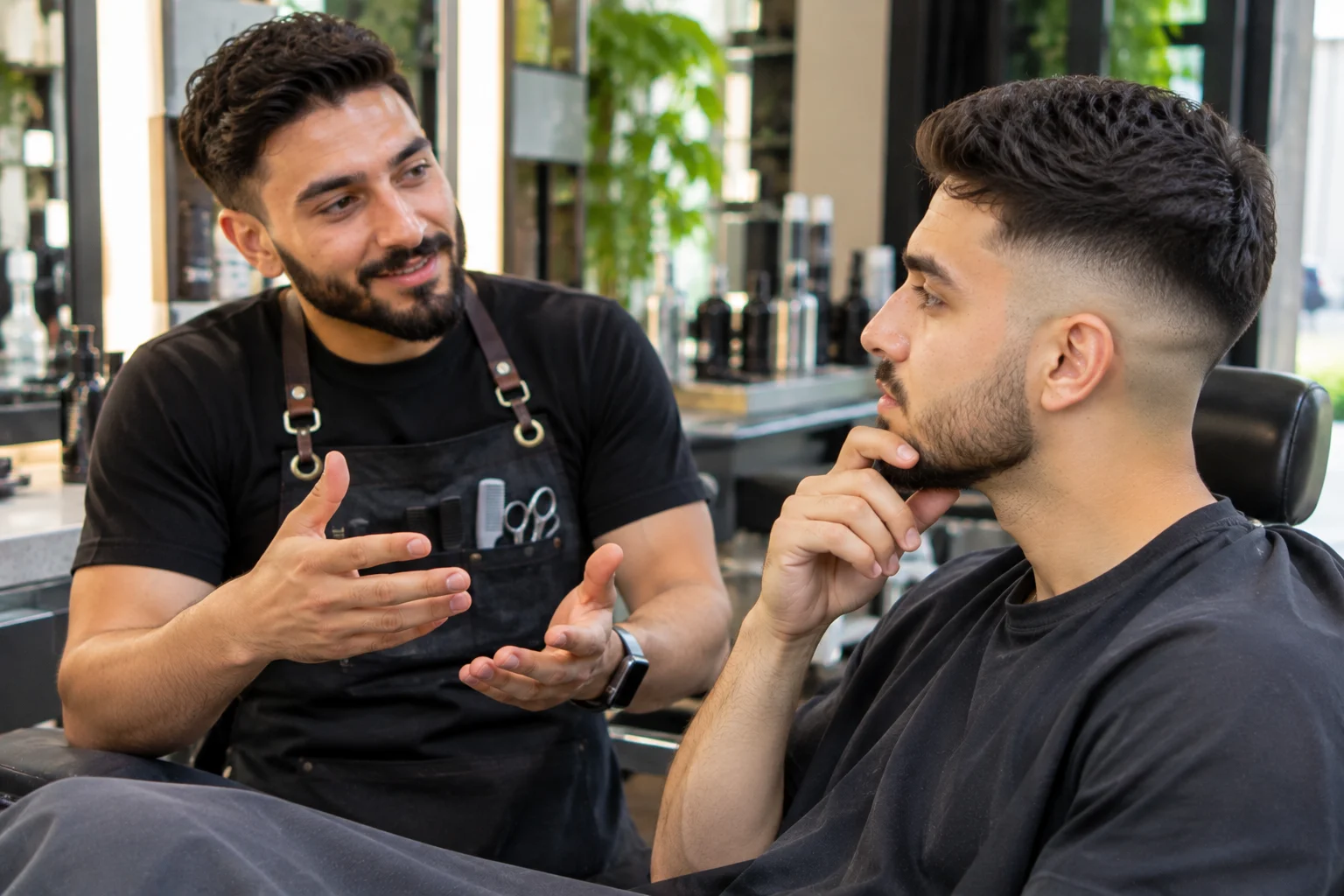
A cut lasts longer when your barber knows your real schedule. Tell him how many weeks you want between visits before he starts. Say the height you want, the shortest guard you are happy with, and the finish you want, skin or shadow. Show a photo of the cut you like, and say how long you want the top. That short talk stops the guesswork, and it helps him shape a fade that still looks good in week three, not just on day one.
Also tell him about your hair and your skin. If your scalp is sensitive or you get razor bumps, ask him to leave a little extra length at the bottom instead of going to bare skin. If your hair is thinning, a low fade keeps more length at the temples and looks softer. If you wear a beard, ask him to blend the beard into the fade so the two parts match. A good barber will also note your cowlicks and growth pattern, so each visit gets easier and the cut stays neat for longer. You can compare the two finishes in our guide to skin fade vs taper fade before your next visit.
Frequently Asked Questions
Every 2 to 3 weeks for most men. A skin high fade needs a cut every 1 to 2 weeks, because even a little growth softens the sharp line. If you want it sharp all the time, book every 2 weeks.
Every 3 to 4 weeks for most men. A low fade grows out gently, so many men stretch it to 4 to 6 weeks with a quick neckline cleanup in between.
A low fade is easier to maintain. It needs fewer visits, it hides growth better, and it stays neat longer. A high fade looks bolder, but it needs a visit every 2 weeks to stay sharp.
Book a short lineup between full cuts, clean the neckline and sideburns every 5 to 7 days, and use a light product on the top. Do not recut the blend at home, because that can break the fade and make it look worse.
Yes. Hair grows about half an inch a month on average, but fast growers need a cut a week earlier, and slow growers can wait a week longer. Straight and fine hair shows growth sooner, while thick, curly, and coily hair hides it better.




- Be Respectful
- Stay Relevant
- Stay Positive
- True Feedback
- Encourage Discussion
- Avoid Spamming
- No Fake News
- Don't Copy-Paste
- No Personal Attacks
- Be Respectful
- Stay Relevant
- Stay Positive
- True Feedback
- Encourage Discussion
- Avoid Spamming
- No Fake News
- Don't Copy-Paste
- No Personal Attacks
