Mid Taper Fade vs Mid Fade: The Clear Difference for Men
Published: 4 Nov 2026
Mid taper fade vs mid fade is the choice that confuses many men, because the two cuts sound almost the same and both start around the middle of the side of the head. If you ask a barber for one and walk out with the other, you are not alone. The real difference is in the shape of the blend, how much hair stays on the side, and how sharp the finish looks. In short, a mid taper fade keeps the blend close to the temples, sideburns and neckline and leaves more weight on the side. A mid fade takes the blend across the whole side of the head, from the temple around to the back, and it usually ends much closer to the skin. Both start at a similar height, but they do not cover the same area, and that is why they grow out and style so differently. This guide explains the difference in plain words, so you can pick the right cut and explain it clearly at your next visit.
What Is a Mid Taper Fade?
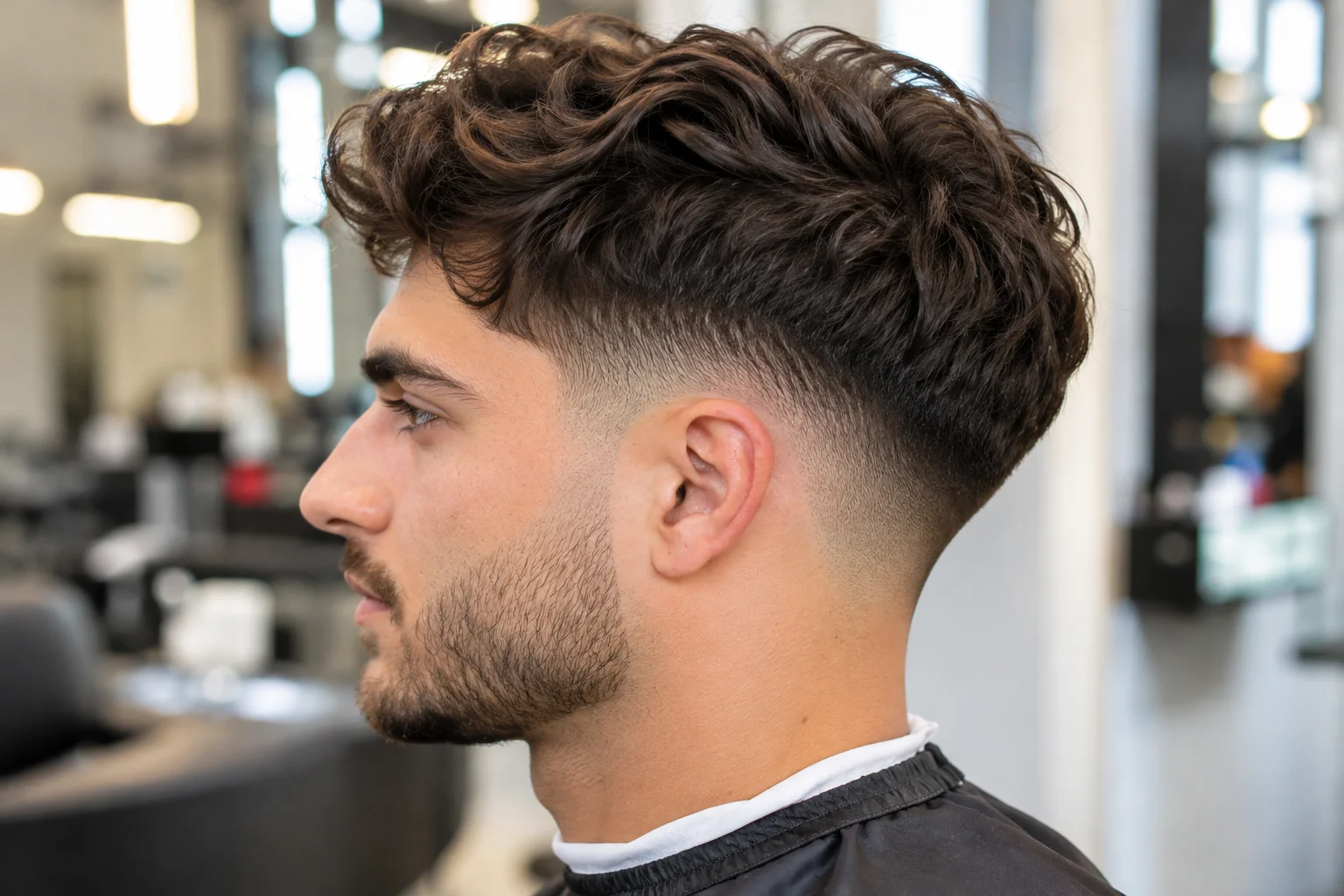
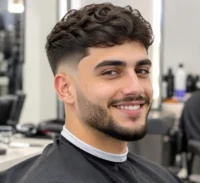
A mid taper fade is a gentle, controlled cut. The barber starts the shortest length around the middle of the side, near the temple, and then blends it slowly upward into the longer hair on top. Around the ear, the change stays soft, and the sideburn and neckline are kept tidy, not shaved bare. The back is usually blended in the same calm way, so the whole cut looks neat from every angle. That is why a mid taper fade feels classic: it cleans up the edges without taking away the shape of the side.
From my chair, the mid taper fade is the safer first choice when a client is unsure. I have seen it suit office work, weddings and everyday wear because it does not look too sharp on day one and it does not fall apart after a week. If your hair grows fast or you hate a hard line at the temple, this is the cut I would try first.
What Is a Mid Fade?
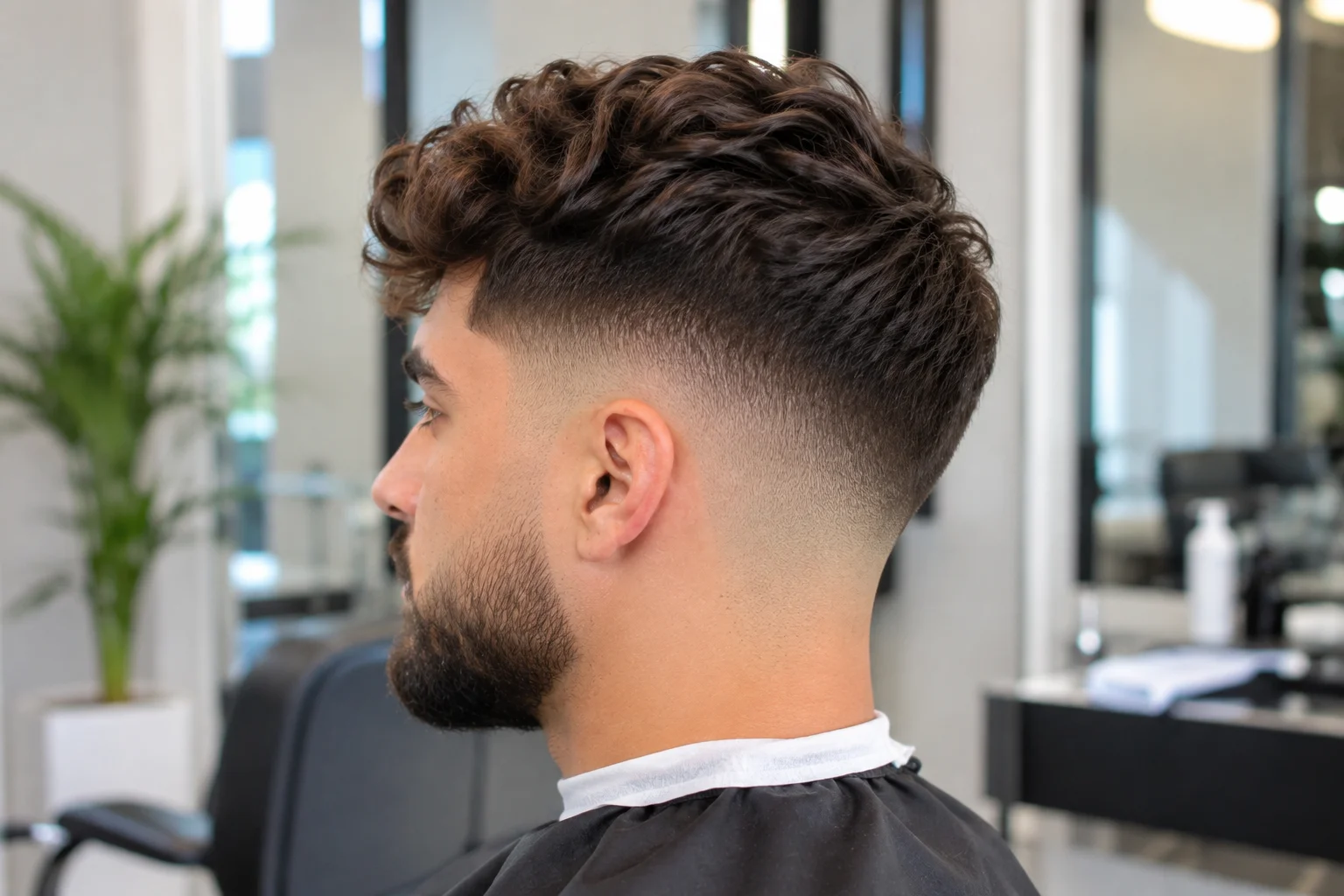
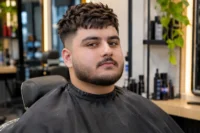
A mid fade is bolder and more open. The fade starts at the same middle height, but it runs all the way around the side and back of the head, and the shortest part often goes down to the skin. That creates a strong contrast between the very short side and the longer top. The blend is usually quicker and more visible than a taper, which is why a mid fade looks sharp and modern right away. It also shows the shape of the head more clearly, so the cut and the line up matter a lot.
From my chair, a mid fade is the cut I pick when a client wants a clear change, not just a tidy up. I have seen it lift a flat top, a crop and a textured style because the skin fade draws the eye up. Just be honest about upkeep: the contrast fades fast, so plan a touch up every two to three weeks if you want it to stay sharp.
Mid Taper Fade vs Mid Fade: Key Differences
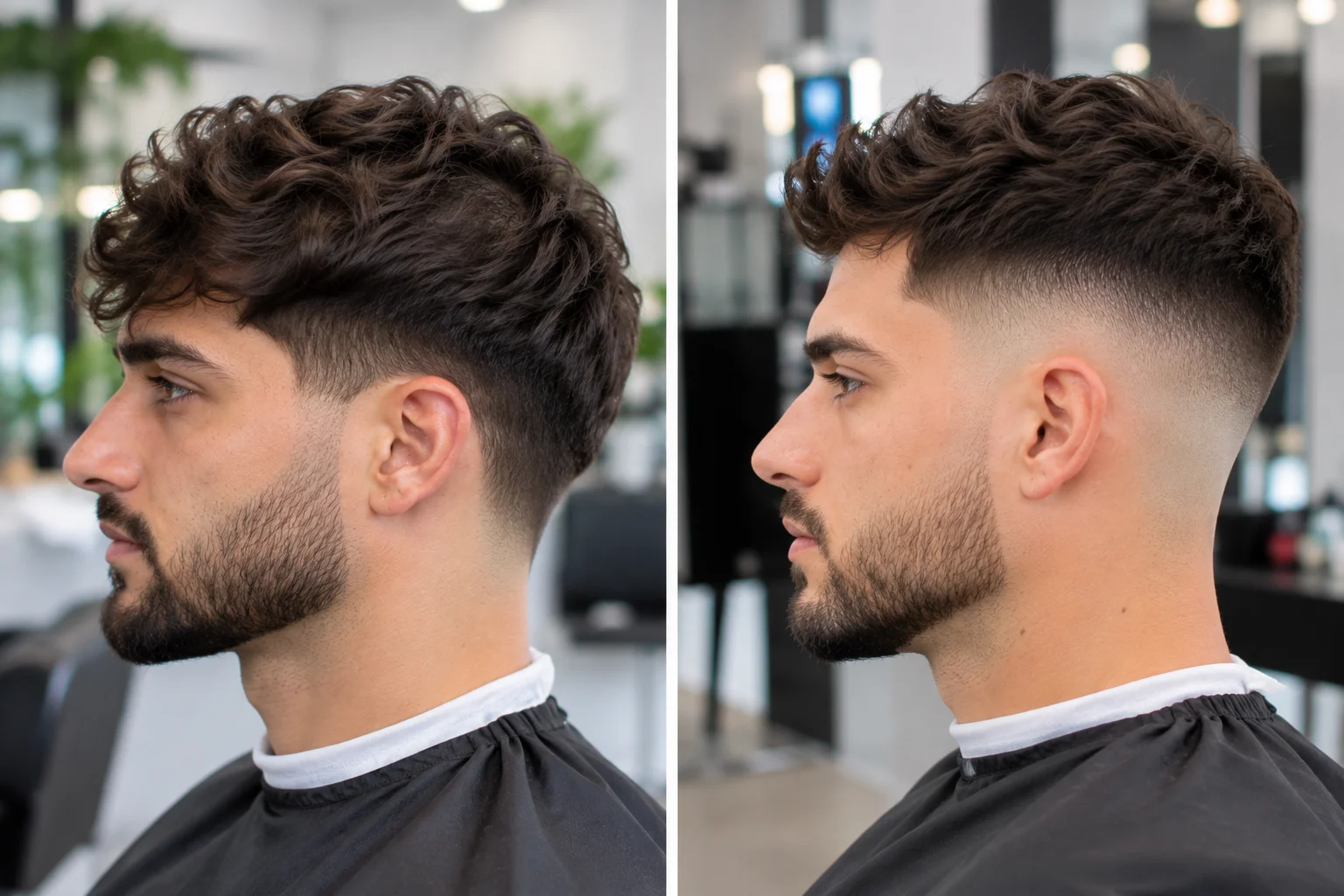
The first difference is area. A mid taper fade works in zones: the temple, the area around the ear, the sideburn and the neckline. The rest of the side keeps more length, so the hair still looks full. A mid fade works across the whole side, so the shortest hair wraps around the head and the contrast is stronger. The second difference is finish. A taper ends in a soft, natural edge. A fade often ends in skin, which gives a cleaner but harder line. The third difference is grow out. A taper grows out quietly because the change is gradual. A fade grows out loudly because the skin area fills in first and the contrast drops.
From my chair, the quickest test is the mirror test. Stand to the side: if you see hair still sitting on the side above the ear, you are looking at a taper. If the side drops away to skin and the top pops, you are looking at a fade. Once you see that, you will never mix them up again.
Which Cut Suits Your Face Shape and Hair Type?
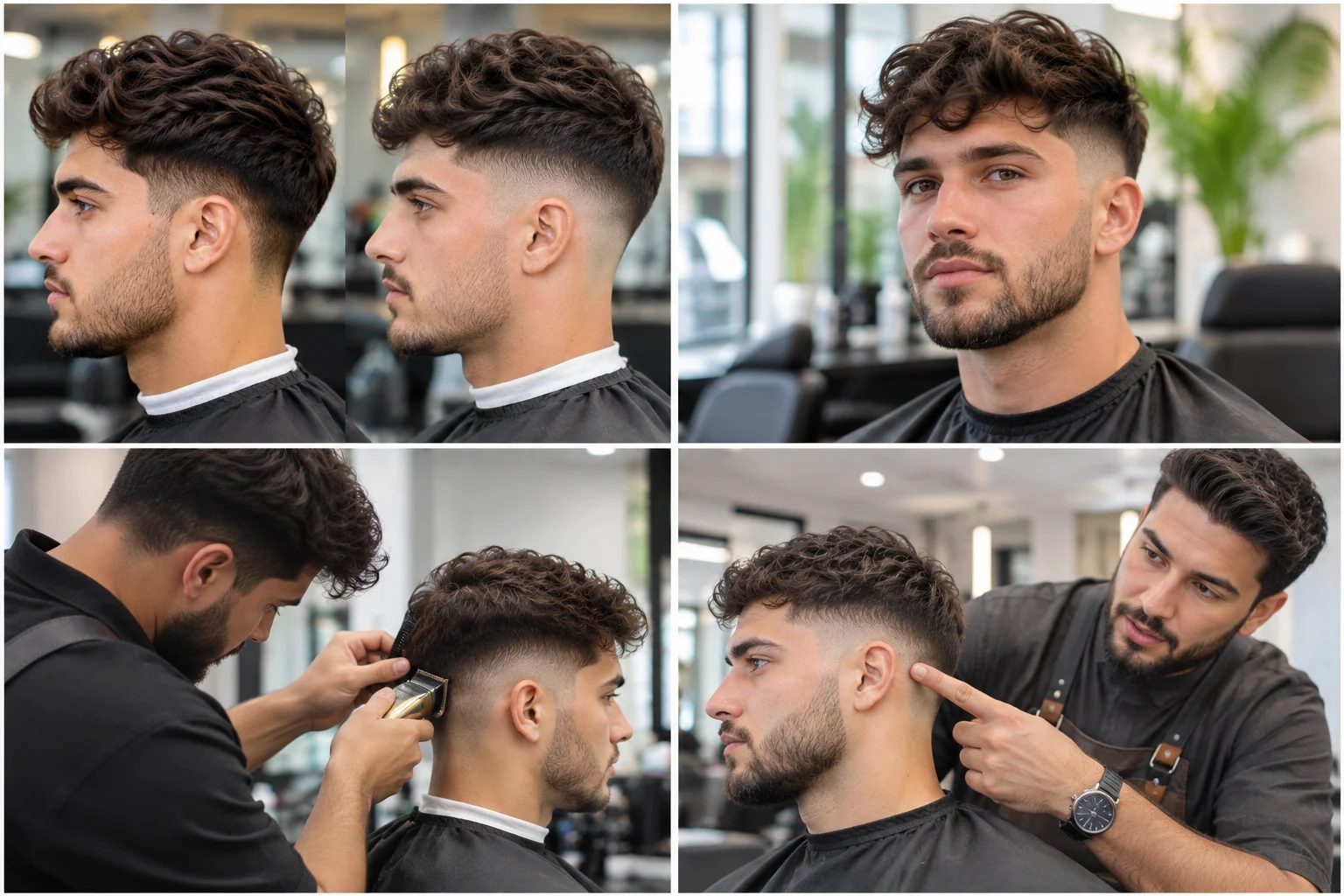
For a round face, a mid fade can add height because the clean side makes the top look taller, while a mid taper fade keeps more softness around the cheeks. For a square or oval face, both work well, so choose by style: taper for a neat, classic finish, fade for a bold, modern finish. Thick, curly or wavy hair often sits better with a taper at first, because it keeps weight and control. Straight, fine hair often looks sharper with a fade, because the contrast gives the top more presence. If you need more help with face shape, read the guide to the best haircut for round face men, and if you want a lower version, see the low taper fade guide.
From my chair, I always ask about daily life before I pick a side. If you work in a strict office, a taper keeps you safe. If you play sport, go out a lot, or like a sharp photo finish, a fade gives you that extra edge. Hair type matters more than face shape alone, so bring a photo of a cut you like and tell your barber how much time you spend styling each morning.
Maintenance, Styling and Grow Out
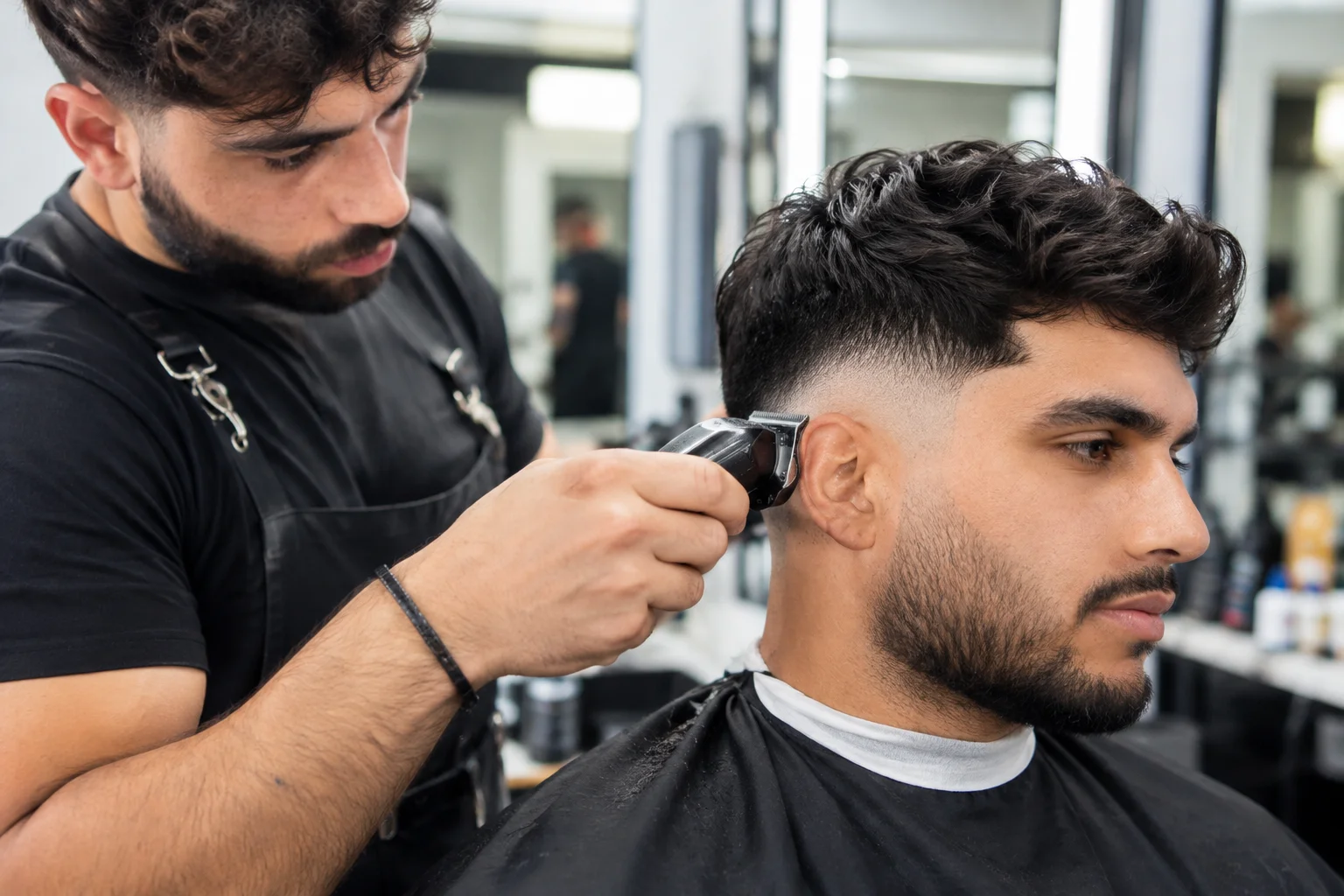
A mid taper fade is easier to live with between visits. Most men can wait three to four weeks before a tidy up, and a little styling cream or matte paste is enough to keep the top in place. A mid fade needs more care: plan a clean up every two to three weeks, use a light hold product so the top does not fall flat, and wash with a gentle shampoo so the skin area does not dry out. For both cuts, a short visit for the neckline and sideburns can stretch the look without a full cut. When the fade starts to look soft and the skin area fills in, that is your sign to book again.
From my chair, do not wait until the cut looks messy to book. A mid fade loses its edge in the second week, even if the top still looks fine. A taper is more forgiving, so if your schedule is tight, the taper will save you visits and money.
How to Ask Your Barber for the Right Cut
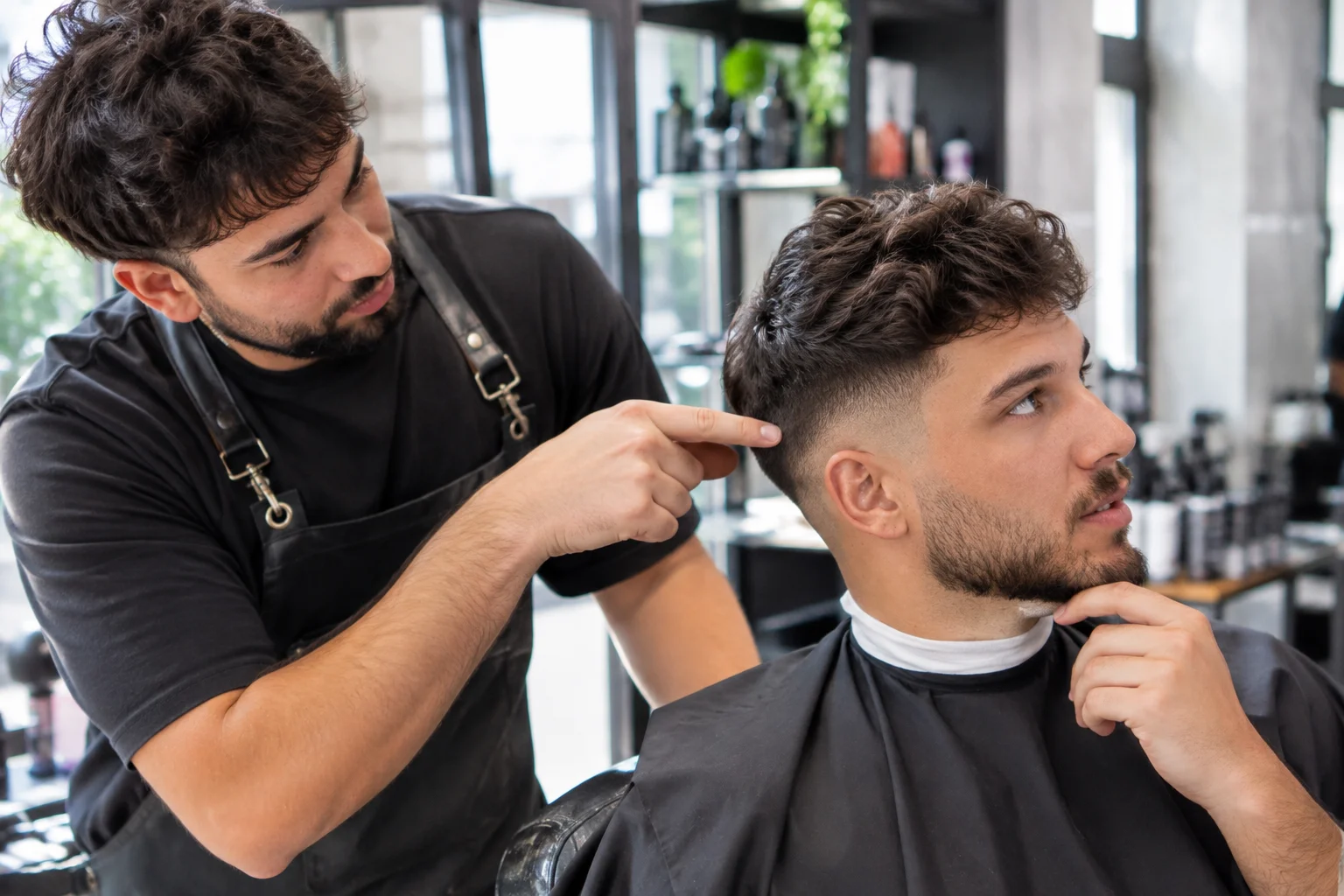
Say the full name first, then the details. For a mid taper fade, say: mid taper, keep the side full, blend only at the temple, ear and neckline, and keep the neckline natural. For a mid fade, say: mid fade, blend all around the side, take it close to the skin, and keep the top longer. Show a side photo, not just a front photo, because the side shows the area and the finish. Ask for a number only if your barber uses guards, such as a 1 or 2 at the shortest point, and confirm whether you want a skin finish or a soft finish. For more wording help, see the guide on how to ask a barber for a taper fade and the taper fade vs burst fade comparison.
From my chair, the words area and finish save more cuts than any guard number. If you say those two words clearly, your barber will know at once whether you want a soft taper or a bold fade, even if you are not sure about the exact length on top.
Frequently Asked Questions
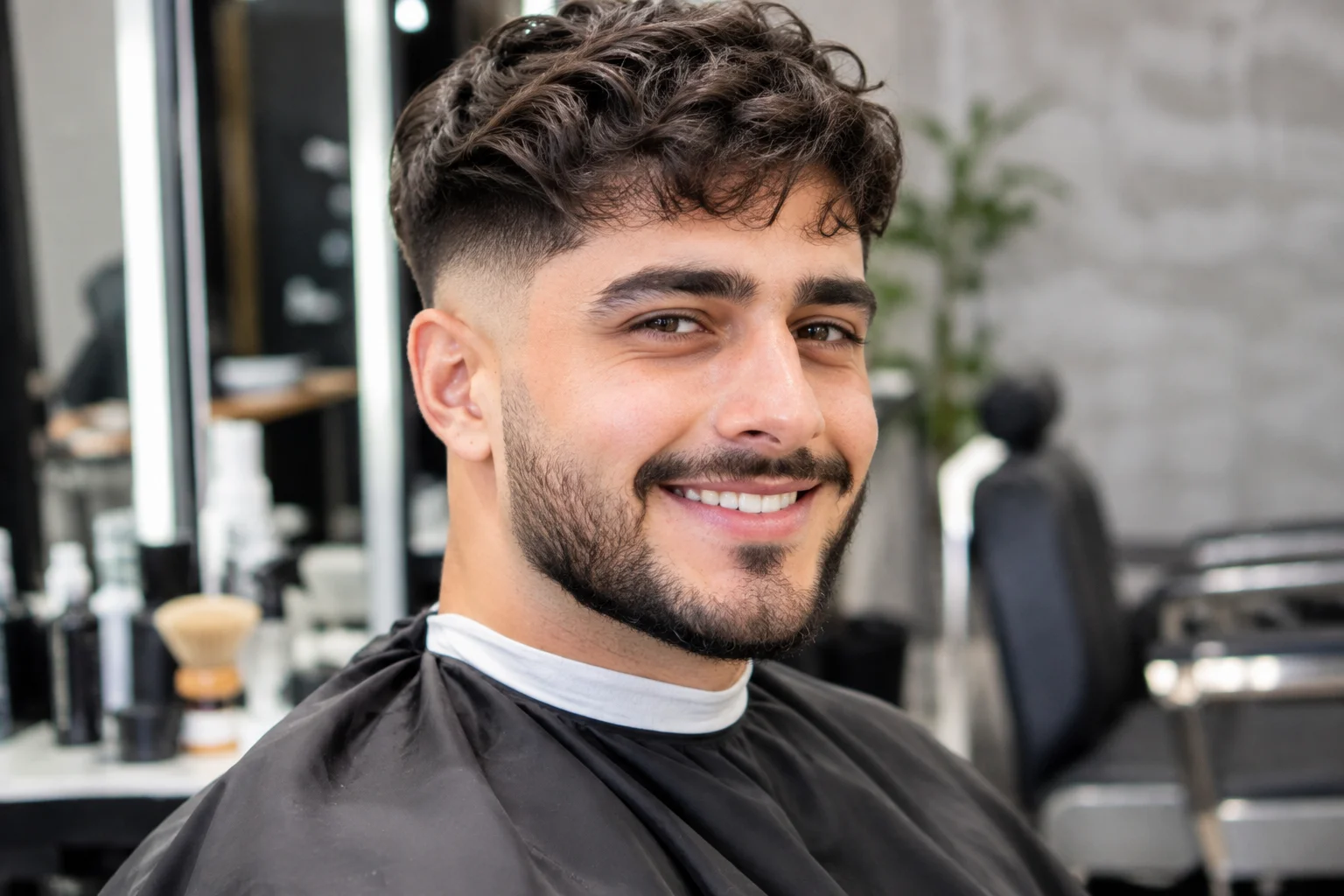
No. They start at a similar height, but a mid taper fade blends only at the temple, ear, sideburn and neckline and keeps more hair on the side. A mid fade blends all around the side and often ends close to the skin, so it looks bolder.
The mid taper fade usually lasts longer between visits. You can often wait three to four weeks. A mid fade looks sharp for about two to three weeks, because the skin area grows back first and the contrast softens.
Yes, in most workplaces it is a safe choice. The taper keeps the side tidy without a skin finish, so it looks professional and neat. If your workplace is very formal, ask for a softer taper and a natural neckline.
Yes, but it takes time. A fade has less hair on the side, so you need to let it grow for a few weeks before a taper can keep its soft shape. Ask your barber to clean only the neckline and sideburns while it grows out.
In the end, the choice is simple once you know what to look for. Choose a mid taper fade if you want a soft, classic cut that keeps hair on the side and grows out quietly. Choose a mid fade if you want a bold, modern cut with strong contrast and a skin finish. Tell your barber the area and the finish, show a side photo, and book your next visit before the shape fades. With those two words clear, you will leave the chair with the cut you actually asked for.
Related reading: Best haircut for round face men.
Related reading: Low taper fade haircut men.
Related reading: How to ask barber for taper fade.
Related reading: Taper fade vs burst fade difference.



- Be Respectful
- Stay Relevant
- Stay Positive
- True Feedback
- Encourage Discussion
- Avoid Spamming
- No Fake News
- Don't Copy-Paste
- No Personal Attacks
- Be Respectful
- Stay Relevant
- Stay Positive
- True Feedback
- Encourage Discussion
- Avoid Spamming
- No Fake News
- Don't Copy-Paste
- No Personal Attacks
