Temple Fade Haircut Men: A Small Fade With a Big Effect
Published: 13 Nov 2026
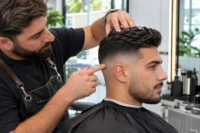
I first noticed a temple fade haircut for men in a busy barbershop, and I could not stop looking at it. The man in the chair had a short textured top, yet the clean faded patch around his temple did all the talking. It was sharp, neat, and calm at the same time. Nothing on the back of his head had been taken short, and that was the point. A small change in one place had made his whole haircut look fresh, and I went home thinking about how a fade that small could carry so much style.
In this guide, I explain what a temple fade really is, how it differs from a taper fade, and which height works best for your face and hair type. You will also find the best temple fade styles for curls, waves, dreads, and short tops, plus simple words to use at the barber and easy ways to keep the fade sharp at home. If you want a clean look without losing the length on top, this is the cut to try first.
What Is a Temple Fade Haircut for Men?
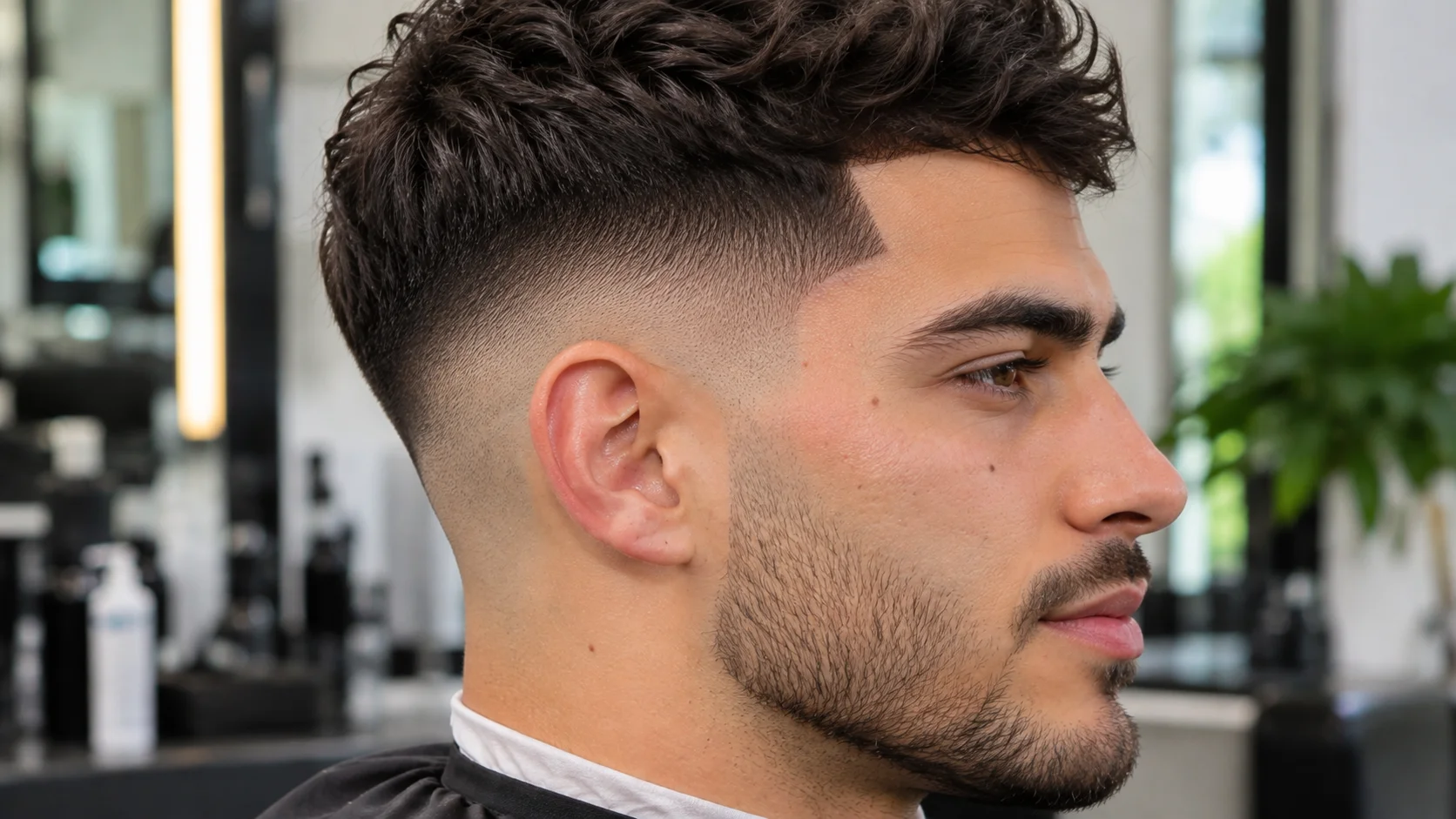
The temple fade haircut men ask for, also called a temp fade, is a short fade that sits only around the temples and sideburns. The barber blends the hair down to the skin or to a very short length in that small patch, then lets it grow longer as it moves up and back. The rest of the head keeps its length, so the cut looks clean without turning into a full fade. I like that balance, because it gives you a sharp edge in the place people notice first, while the top stays free for curls, waves, or a short textured style.
The cut has its roots in Black barber shops, where the sharp line around the temple and the clean blend became a mark of careful work. Over time it spread to every kind of barbershop, and now men of all ages ask for it with a crop, a comb over, or a short afro. It also has a second name you may hear at the chair, the Brooklyn fade, and both names mean the same thing. When you ask for one, you are asking for a small, neat fade in one place, not a whole new haircut.
Temple Fade vs Taper Fade: What Is the Difference?
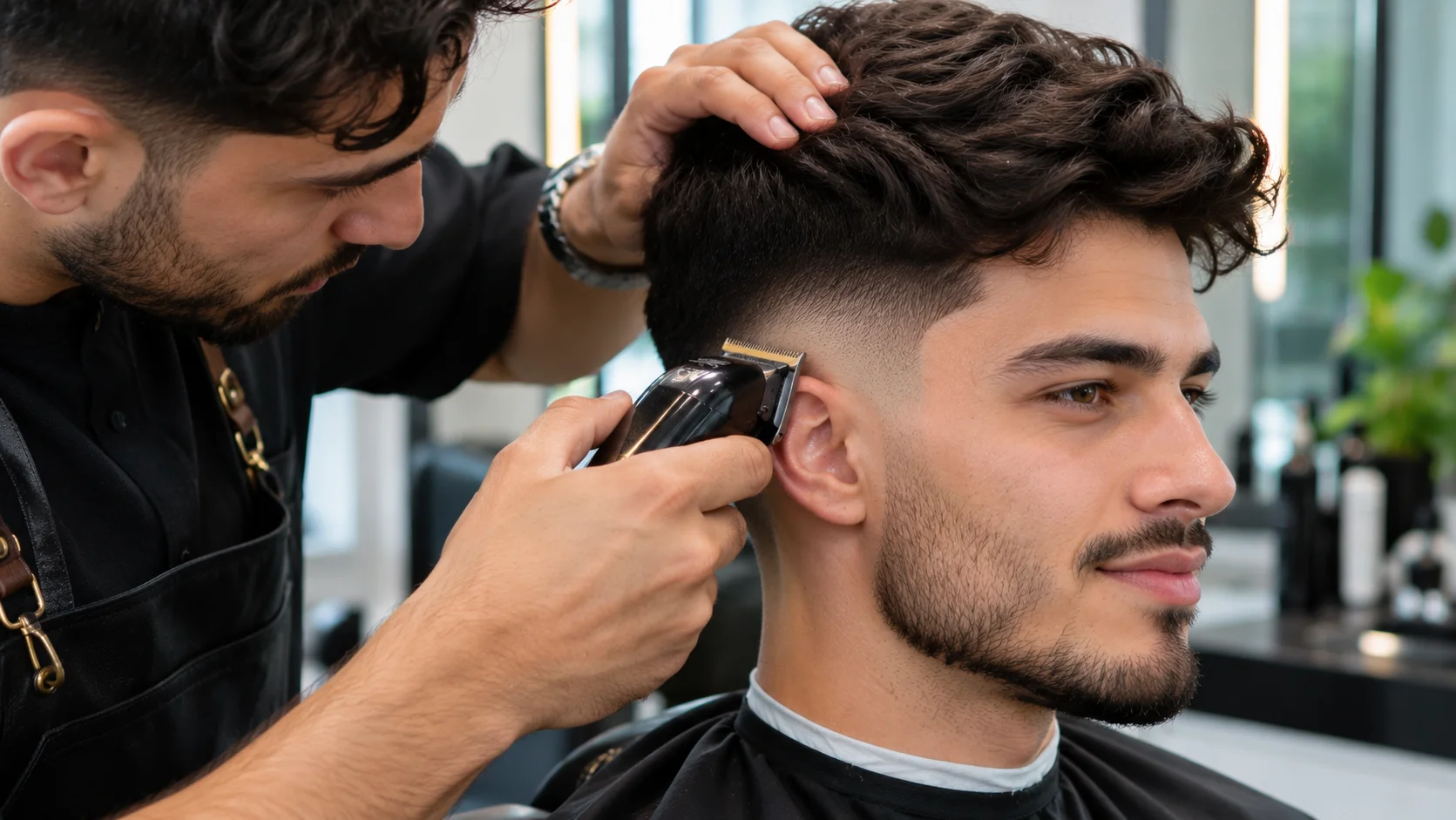
A taper fade and a temple fade are close cousins, and barbers get asked about both every day. A taper fade blends the hair shorter all the way around the sides and the back, from the temples down past the ears to the neck. A temple fade stays in a smaller area. It fades only the hair at the temples and the sideburns, and often the nape too, while the hair above the ears and at the back keeps more length. I learned the difference the first time I asked for one and nearly got the other, so now I always name the area I want faded.
The look they give is different as well. A taper fade feels softer and more even, because the blend runs right around the head. A temple fade feels sharper and more focused, because the fade stops and the longer hair beside it stands out. If you want a clean finish that still looks like your normal haircut, the temple fade is the lighter touch. If you want the whole side of your head to look shorter and neater, the taper fade is the better call. A good barber can show you both in the mirror before the clippers start.
Low, Mid, and High Temple Fades: Which Height Suits You?
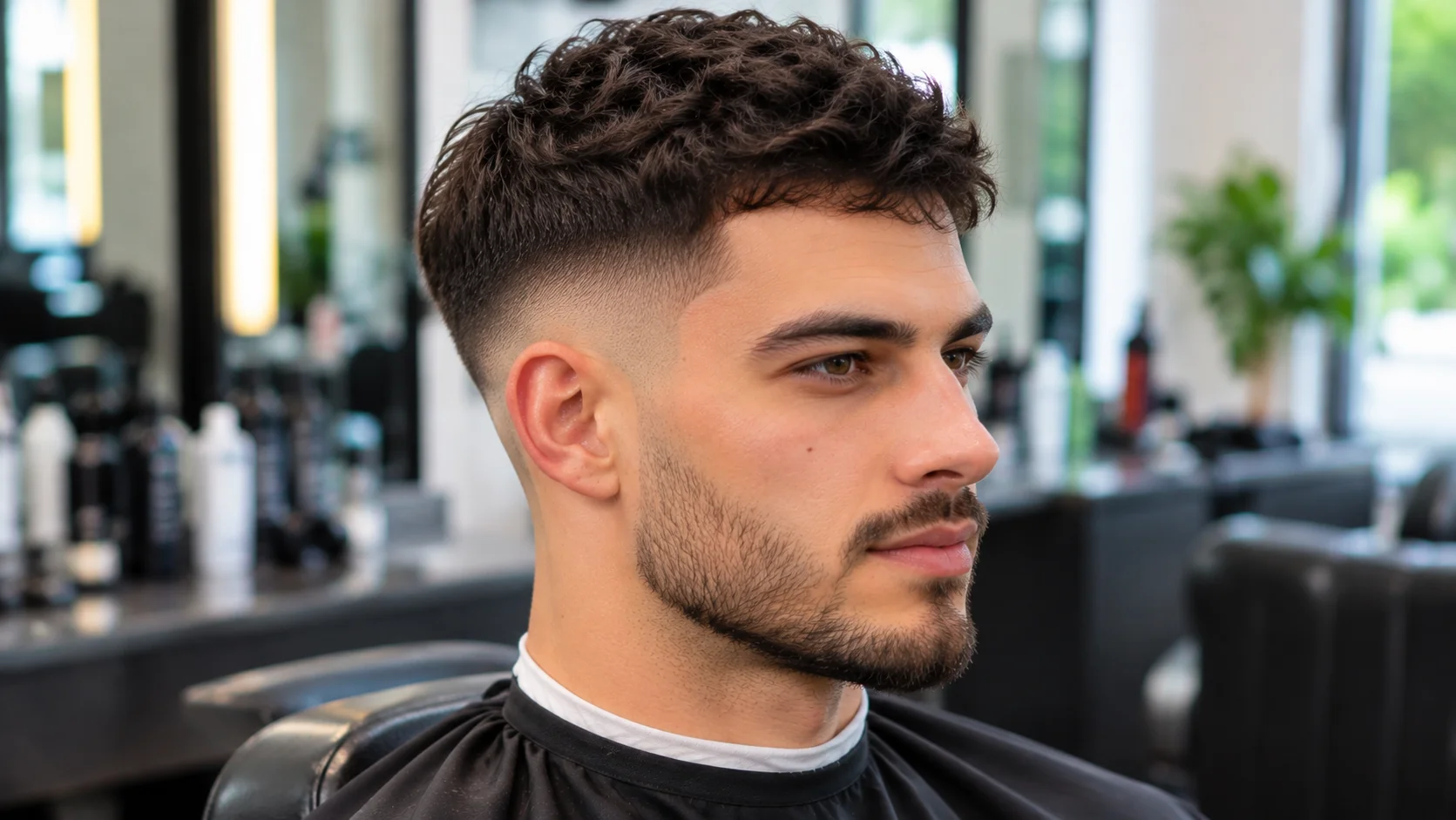
The height of a temple fade is the distance the faded patch climbs above your ear, and it changes the whole mood of the cut. A low temple fade stays close to the temple and the sideburn, so it looks quiet and neat, and it suits a first fade or a clean office look. A mid temple fade climbs a little higher and gives a clearer blend, which is why most men I know ask for this one. A high temple fade reaches further up the side of the head and makes a bold, sharp statement. If you like the low and tidy feel, a low taper fade is a close cousin worth a look before you decide.
Your face shape and hair type should guide the choice, not a photo alone. A low fade keeps the weight on the sides, which suits a long or narrow face. A mid fade balances most face shapes, from oval to square, and it works with straight, wavy, and curly hair. A high fade opens up the sides and shows off the top, so it suits thick hair and a strong jawline best. When I am unsure, I start with a mid fade, because the barber can always take it higher at the next visit, but he cannot put the hair back.
Who Does a Temple Fade Suit Best?
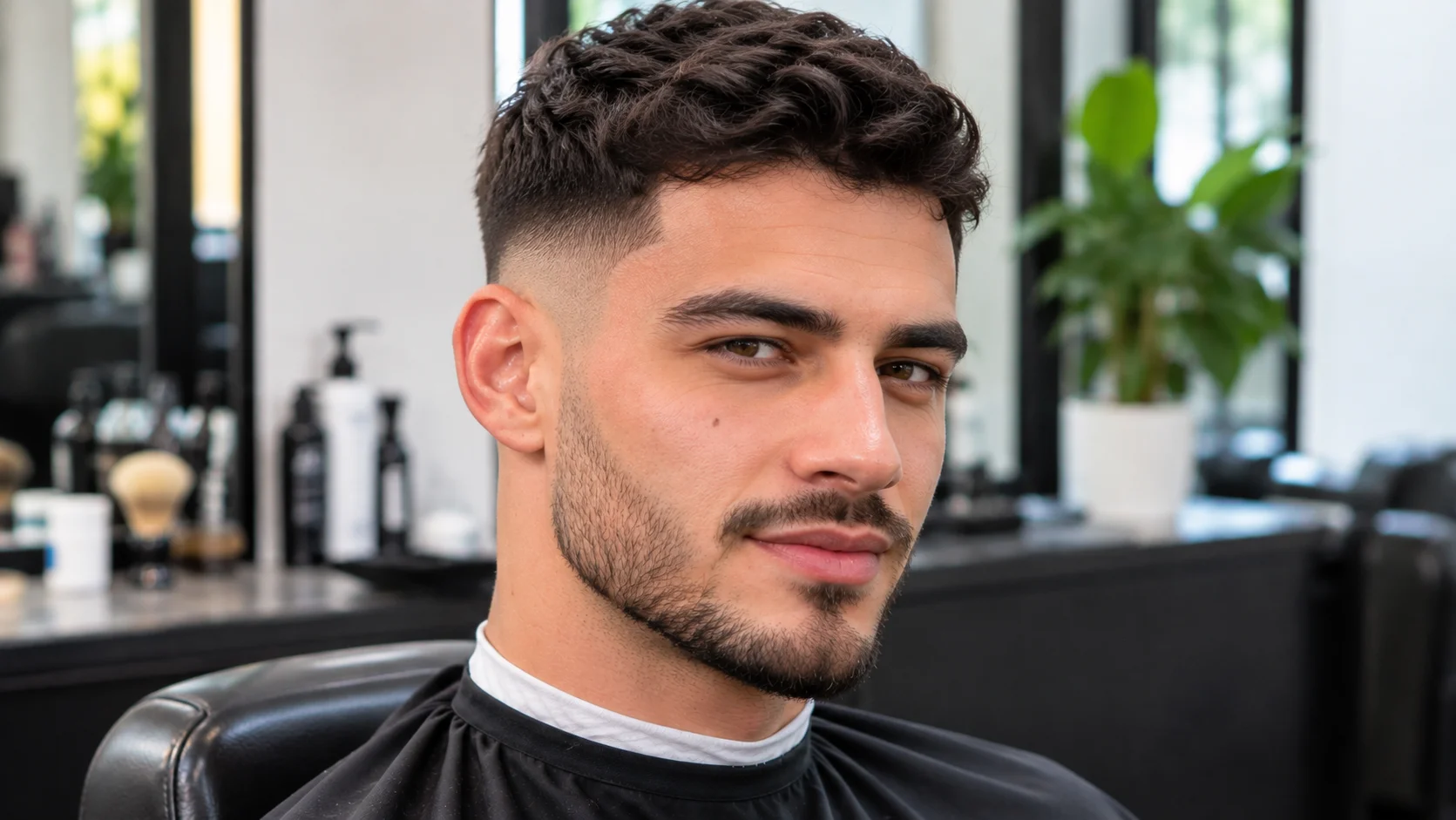
A temple fade suits most men, because it adds shape without taking away the hair you like on top. It works well on oval, square, and round faces, since the clean patch at the temple draws the eye up and makes the face look longer and tidier. It also suits men with a strong jawline, because the sharp edge at the sideburn lines up with the beard and frames the whole face. I have seen it look just as good on a young man with his first fade as on an older man who wants a neat, low effort cut.
Hair type matters less than people think, which is part of the charm. Straight hair shows the blend in a clean line, wavy hair gains shape from the short sides, and thick hair loses the bulk that can make the sides stick out. Men with a receding hairline often like it too, because the short fade takes attention away from the hairline and puts it on the tidy shape of the cut. The one case to think twice about is very fine, thin hair, where a skin fade at the temple can show the scalp, so ask for a short fade instead of skin if that worries you.
The Best Temple Fade Styles for Curls, Waves, Dreads, and Short Tops
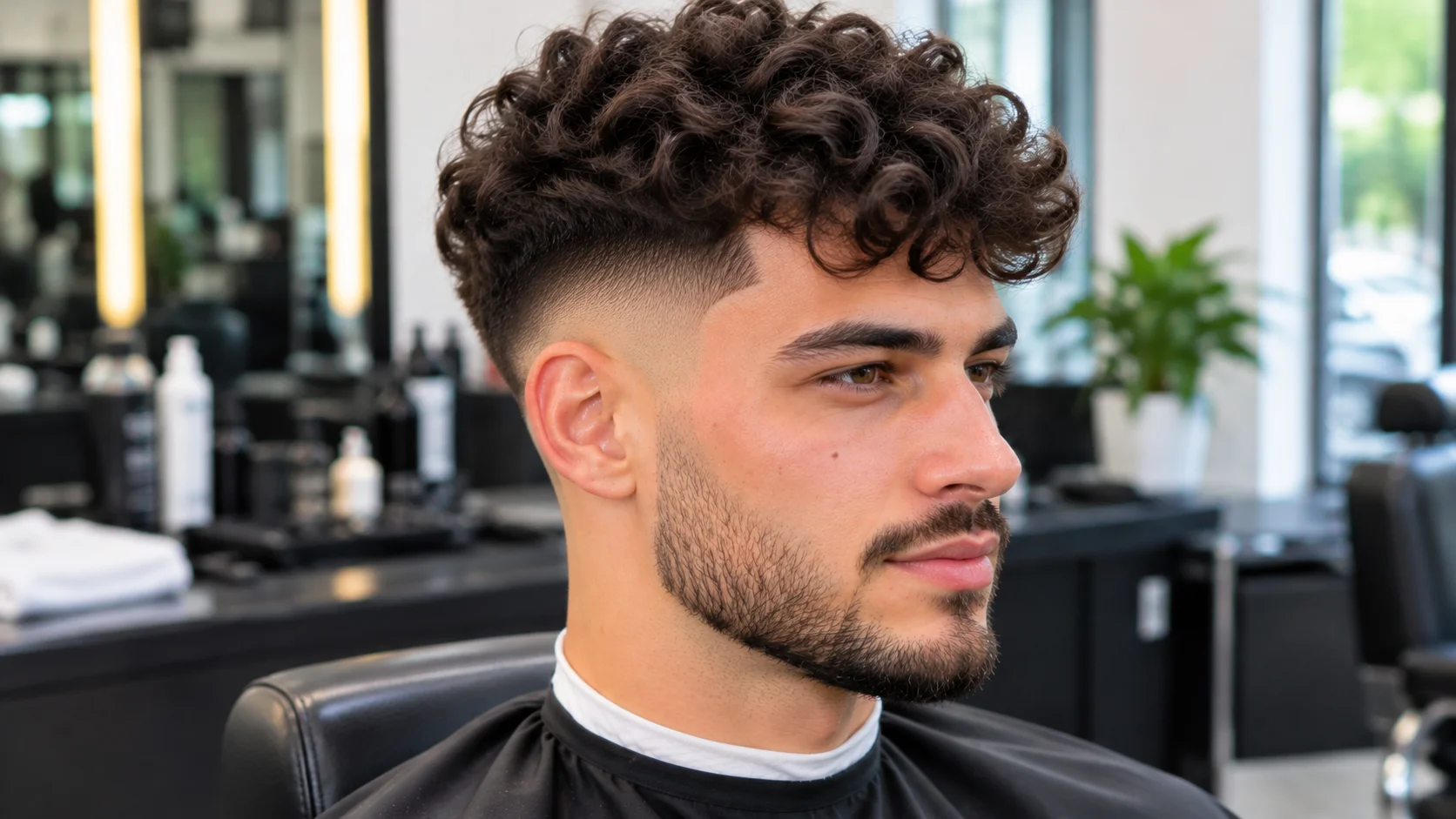
Curls are where a temple fade shines brightest, in my view. The short fade at the temple frames the curls on top and stops them from looking heavy at the sides. A short afro with a temple fade looks tidy and full at the same time, and a curly crop with a low fade is easy to wash and wear. For waves, the fade gives the 360 waves a clean border, and brushing them daily with a soft brush and a durag keeps the pattern sharp. The fade does the framing, and the waves do the talking.
Dreads and braids also pair well with a temple fade, because the fade clears the hair around the ears and lets the dreads or braids fall in a clean line. A short top with a temple fade is the simplest choice of all, and it works for a buzz cut, a crew cut, or a short textured crop. If you want a softer edge instead, a shadow fade keeps a little more length at the temple, while a temple fade gives the sharpest line. I try the style on top first, then let the fade height follow the shape of the hair.
How to Ask Your Barber for a Temple Fade
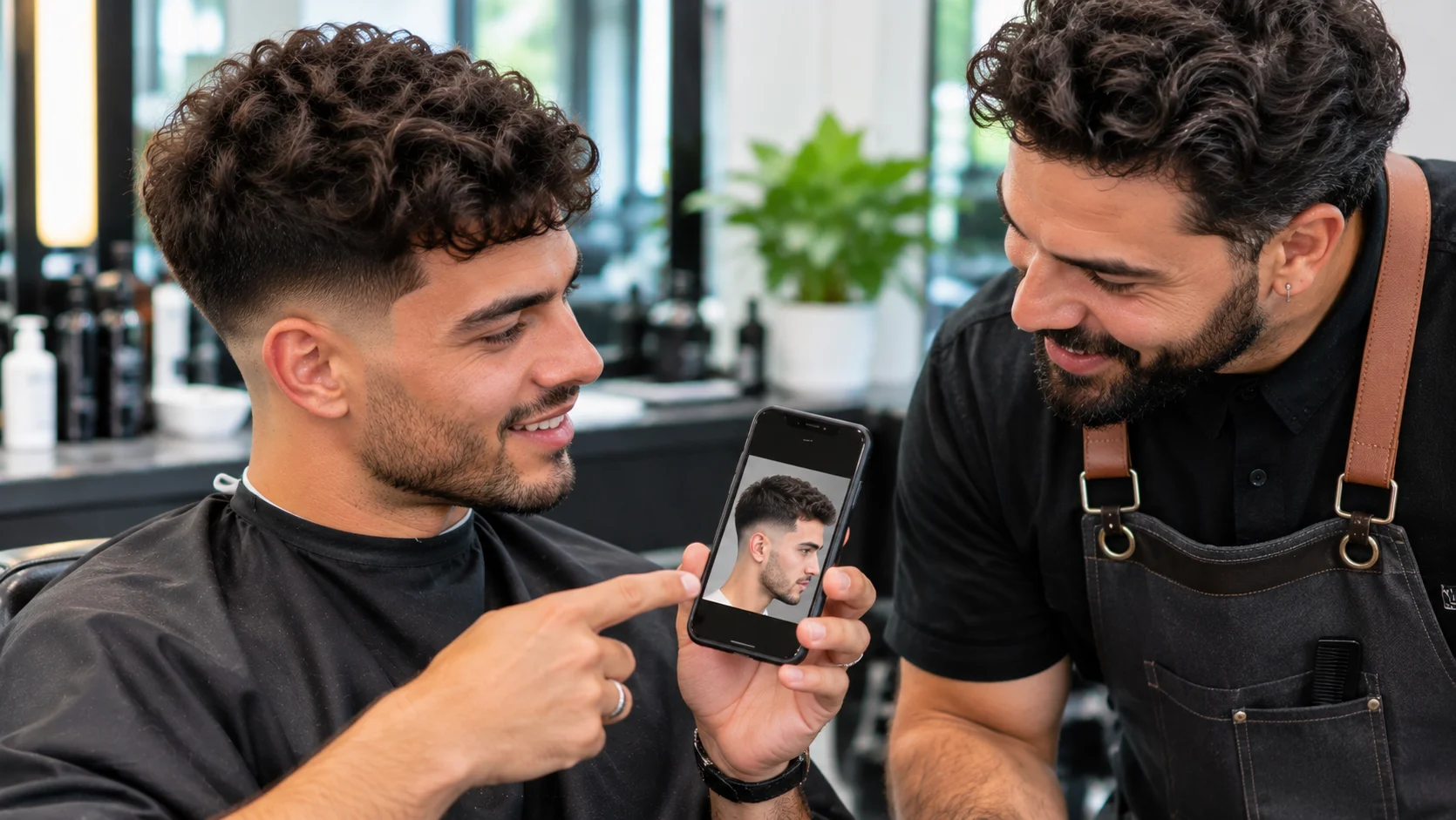
Asking for a temple fade is simple once you know the right words. Start by saying the name plainly: I would like a temple fade, please. Then add the height you want, low, mid, or high, and say how you want the top left. For the sides, tell the barber if you want the fade taken down to the skin or kept a little longer, and ask for a clean line up at the hairline if you like a sharp edge. I always say the fade is only at the temples, so the barber does not take the whole side short.
A photo helps more than a long speech. Save two or three photos of a temple fade on hair like yours, and show the barber before he starts. Ask him if that height will suit your face and hair, and listen to what he says, because he can see the shape of your head from every side. If you want a beard, ask him to blend the sideburn into the beard so the two join in a clean line. When he holds up the mirror at the end, check the fade from the side and the back, and say right away if one side looks higher than the other.
How to Style a Temple Fade at Home
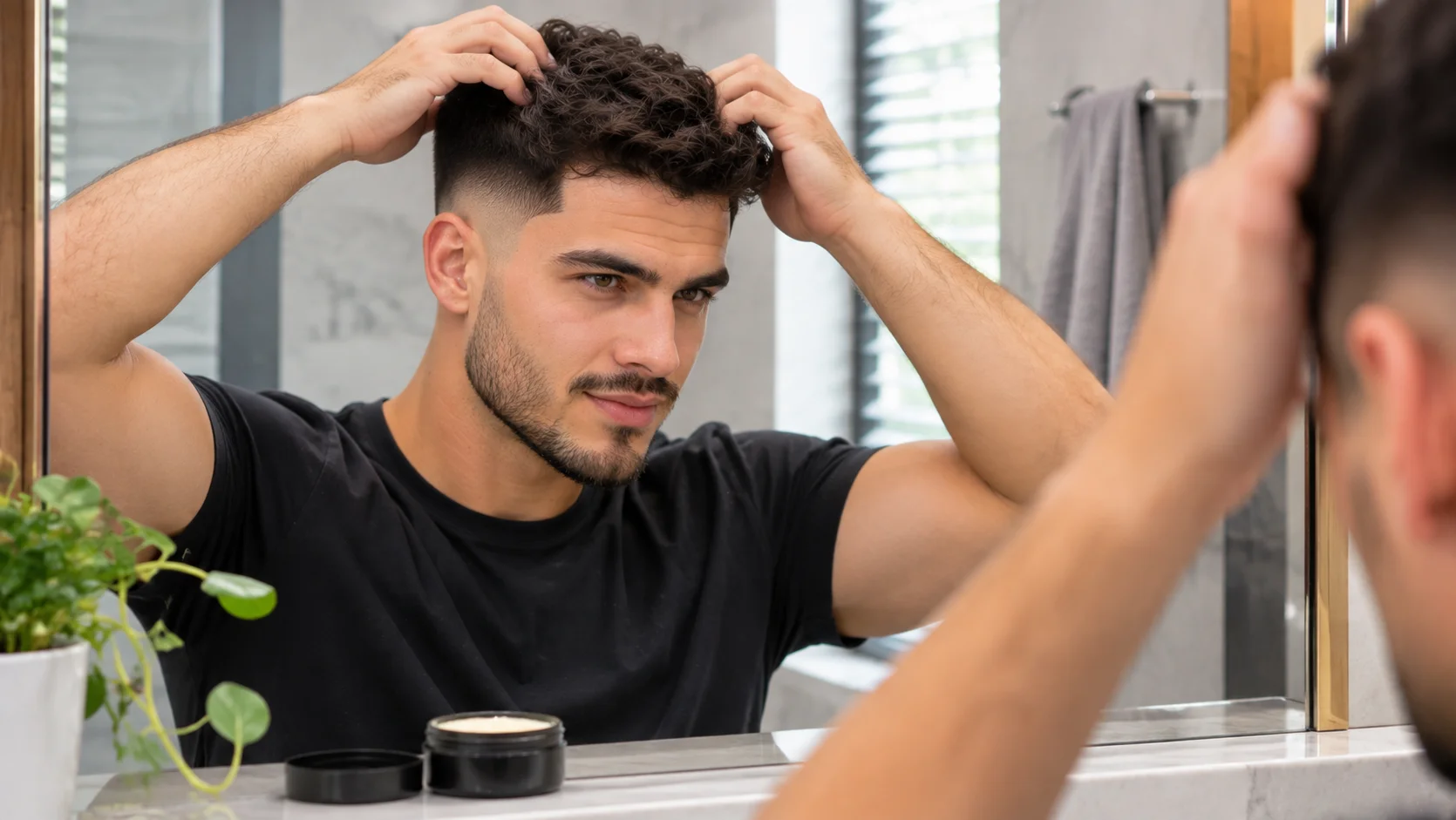
Styling a temple fade at home takes five minutes once you know the routine. Start with damp hair, not soaking wet, and work a pea sized amount of matte clay or styling cream through the top with your fingers. Push the hair up and forward for a textured crop, or sweep it to one side for a neat side part. For curls, use a curl cream or a leave in conditioner instead, and scrunch the curls so they keep their shape. A little sea salt spray adds grip and texture if your hair is fine and flat.
Finish with a quick check in the mirror from the front and both sides. The fade should look even on both temples, and the top should sit the way you like it without looking stiff. If the top falls flat by midday, a quick shake of texture powder at the roots brings the lift back. Keep the routine simple and use less product than you think you need, because a temple fade looks best when the top looks natural and the sides stay sharp. I style mine in the morning and rarely touch it again until the next wash.
How Long Does a Temple Fade Last? Maintenance and Upkeep
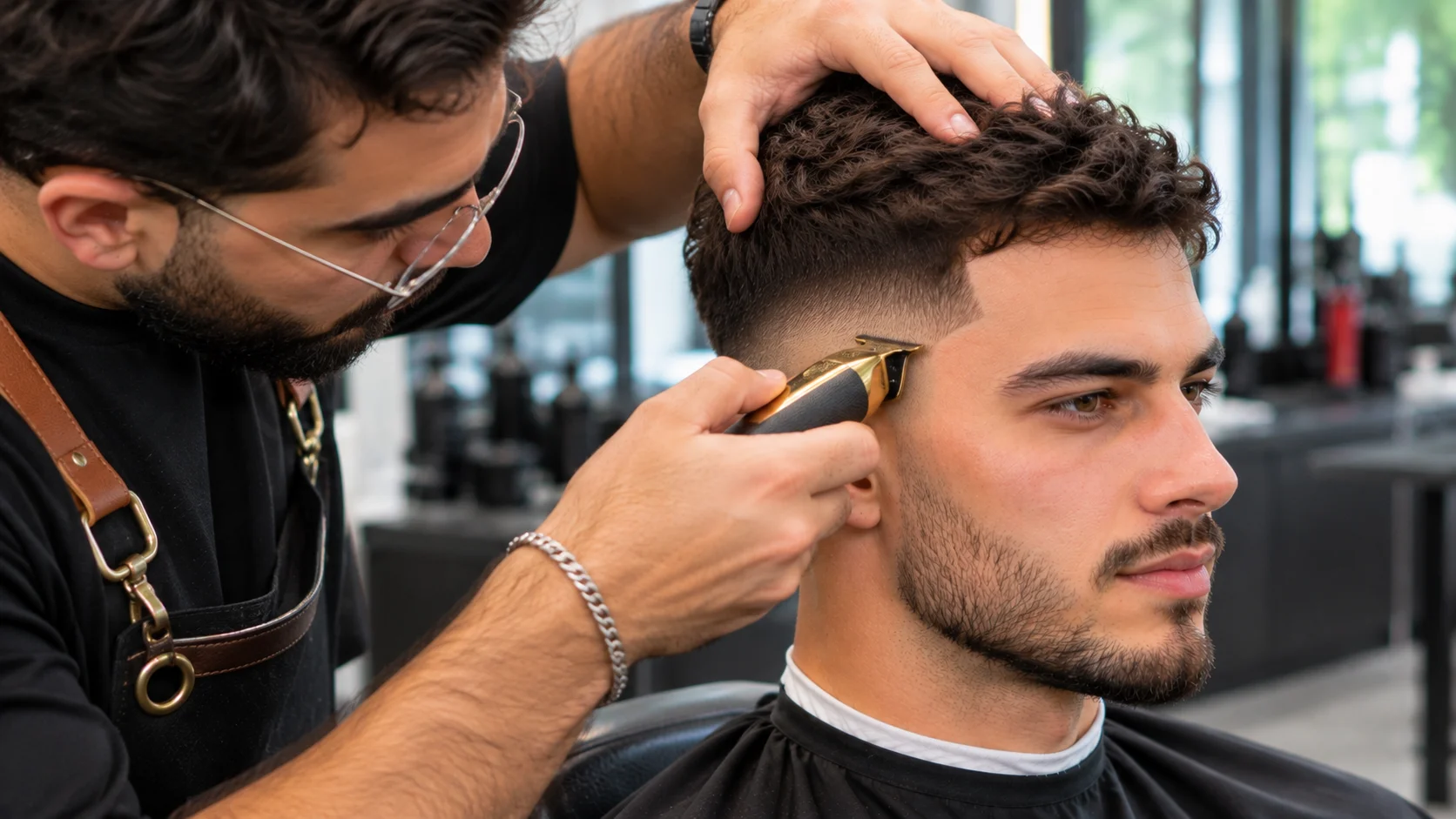
A temple fade stays sharp for about two to three weeks, and the exact time depends on how fast your hair grows. The faded patch is small, so even a little growth shows sooner than it would on a full fade. I book my next cut for two weeks after the last one, and that keeps the edge clean without a gap. If you are still choosing between a skin fade vs taper fade for your next cut, the temple fade sits in the middle, because it needs the same two to three week rhythm but takes less time in the chair.
Between cuts, you can stretch the look with a small trimmer and a steady hand. Clean up the stray hairs at the temple and the sideburn once a week, and keep the line up neat at the hairline. Wash with a mild shampoo, condition the top, and keep curls moisturised with a leave in conditioner or a light oil. For a fuller picture of how often each fade needs care, our guide to high fade vs low fade maintenance breaks down the timing side by side. When the blend starts to look soft and the line fades away, it is time to book the barber again.
Mistakes to Avoid With a Temple Fade
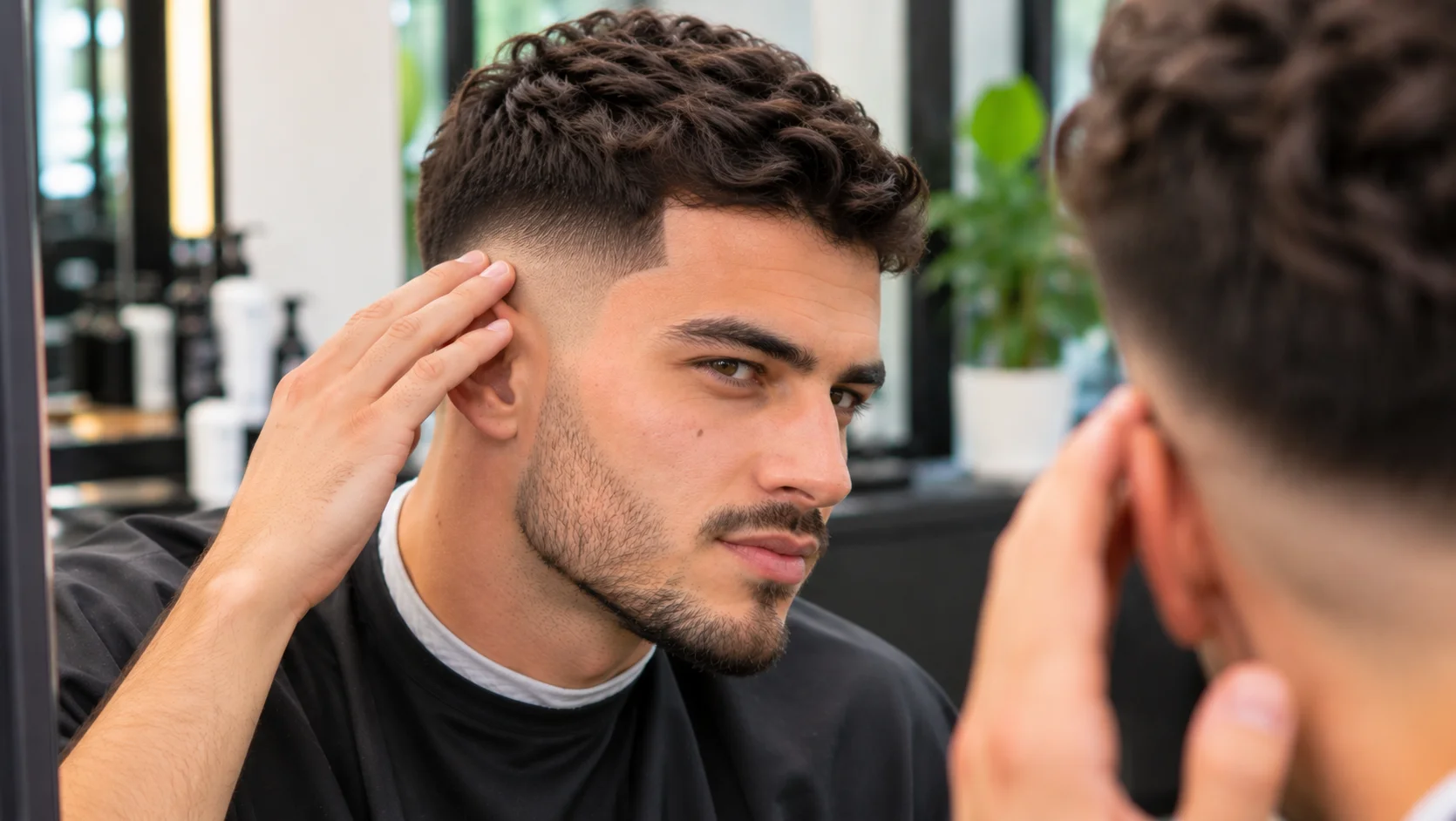
The biggest mistake is asking for a temple fade and getting a full fade instead, because the words were not clear enough. Say the fade is only at the temples, and check in the mirror while the barber works, so he can stop if the fade climbs too high. A second mistake is asking for a skin fade when your hair is very fine, because the scalp shows through and the fade looks patchy. A short fade keeps the blend smooth without going right down to the skin.
Other mistakes are easy to avoid once you know them. Do not push the hairline back when you tidy the line up, or the forehead will look wider each time. Do not pile on heavy wax or gel, because it weighs the top down and hides the shape of the cut. And do not wait five weeks between cuts and then blame the fade, because a small fade grows out faster than a big one. Book the next cut before the fade loses its edge, and the cut will always look like it did on day one.
Frequently Asked Questions
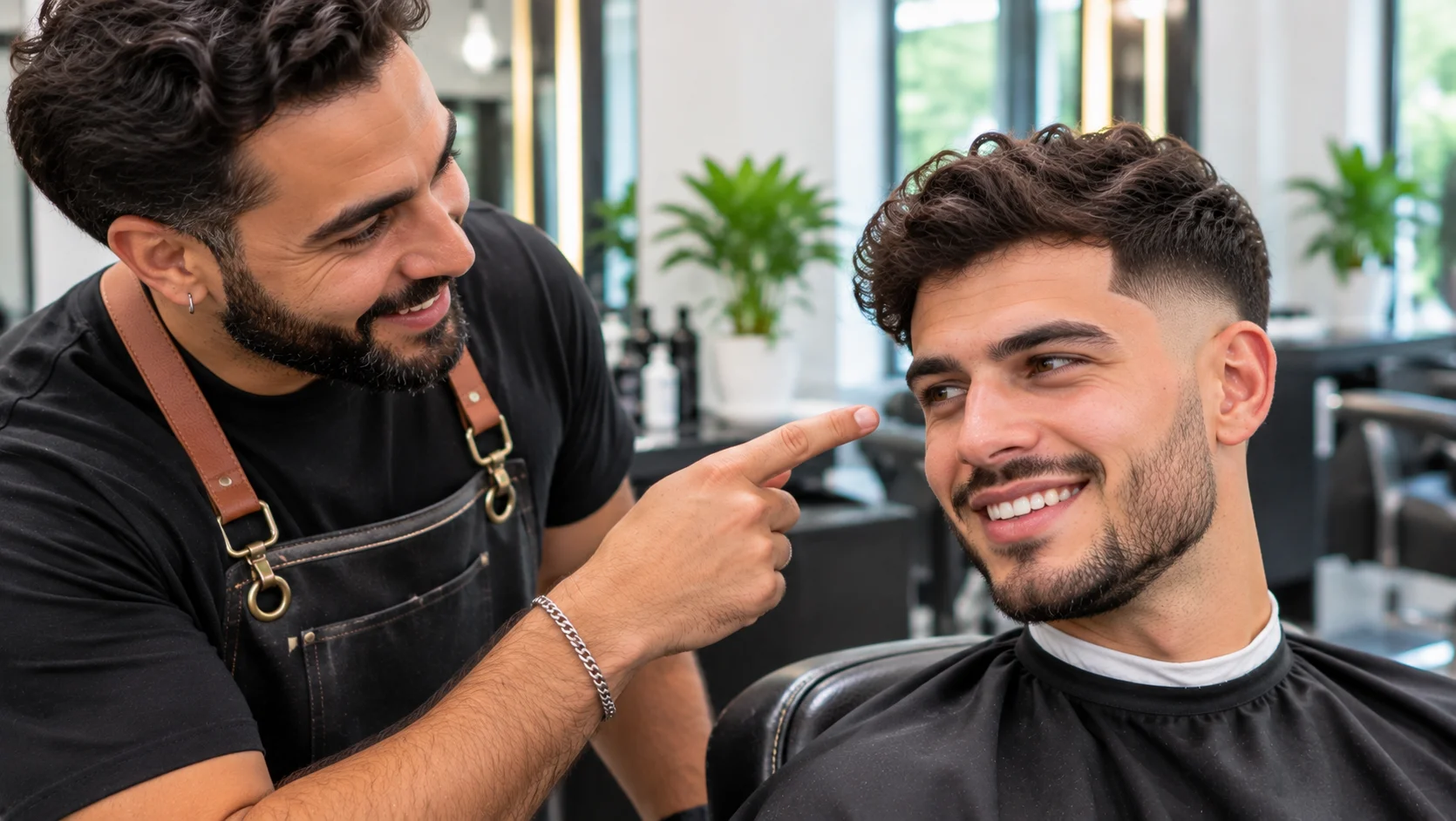
A temple fade, also called a temp fade, is a short fade around the temples and sideburns that blends down to the skin or a very short length, while the hair on top and at the back keeps its length.
A taper fade blends the hair shorter all the way around the sides and back. A temple fade stays in a smaller area, fading only the temples, sideburns, and often the nape, so the rest of the head keeps more length.
Yes, it suits curly hair very well. The short fade frames the curls on top and keeps the sides tidy, and it works just as well with waves, dreads, braids, and short textured tops.
A temple fade stays sharp for about two to three weeks, depending on how fast your hair grows. Book your next cut at two weeks to keep the edge clean, and tidy the line up with a trimmer in between.
Yes, you can. The fade only touches the temples and sideburns, so the top can stay as long as you like, from a short crop to a longer textured style or a pompadour.
A temple fade haircut for men proves that a small change can make a big difference. It gives you a clean, sharp edge at the temples without taking length from the top, and it suits curls, waves, dreads, and short styles alike. Take a photo to your barber, start with a mid fade if you are unsure, and book your next cut in two weeks. Try it once, and you may find it becomes your regular cut.



- Be Respectful
- Stay Relevant
- Stay Positive
- True Feedback
- Encourage Discussion
- Avoid Spamming
- No Fake News
- Don't Copy-Paste
- No Personal Attacks
- Be Respectful
- Stay Relevant
- Stay Positive
- True Feedback
- Encourage Discussion
- Avoid Spamming
- No Fake News
- Don't Copy-Paste
- No Personal Attacks
