Low Fade Haircut for Men Office Professional: Styles That Stay Sharp at Work
Published: 12 Nov 2026
A low fade haircut for men office professional style is the cut I reach for when a client wants to look sharp at work without looking like he tried too hard. The fade starts just above the ears and around the neckline, so the sides stay clean while the top keeps enough length to comb, part, or brush back. I have cut this style for lawyers, teachers, salesmen, and new graduates on their first week in a new job, and it works in every one of those rooms because it is tidy, calm, and easy to keep neat from Monday morning to Friday evening.
In this guide I walk through what a low fade is, why it suits office life, which top styles work best, and the grooming rules that keep it looking fresh between cuts. I also cover curly and thinning hair, the exact words to use with your barber, and how often to book your next visit, so you can walk into work on Monday with a cut that feels calm, clean, and confident.
What Is a Low Fade Haircut for Men?
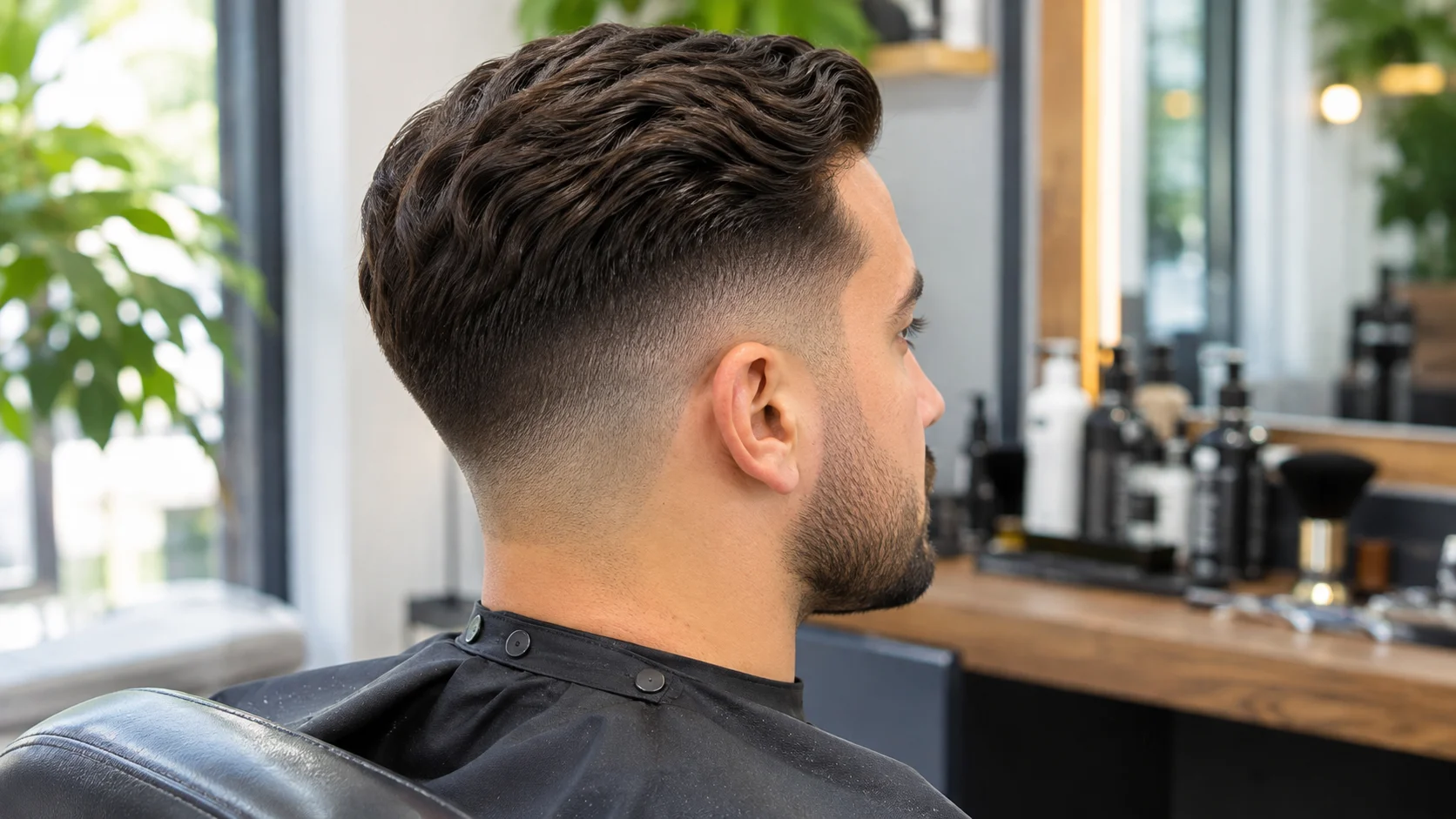
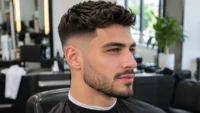
A low fade is a short back and sides cut where the hair gets gradually shorter as it moves down toward the ears and the neckline. The shortest part sits low, just above the ears, and the blend zone is narrow, usually less than one inch, so the change from short to long looks soft instead of sharp. The top stays longer, often one to three inches, which gives you room to part it, push it forward, or sweep it back. A clean neckline and tidy sideburns finish the shape, and the whole cut frames the face without drawing attention to itself.
From my chair, this is the fade I suggest first when a man is not sure which fade to pick. It works on straight, wavy, and curly hair, and it suits thick hair as well as fine hair, because the low start keeps the contrast gentle. If you want to see how the wider family of low fades looks, read our low fade haircut guide first, then come back here to pick the office version that fits your job and your morning routine.
Why a Low Fade Works So Well in the Office

An office haircut has a simple job. It should look clean in a meeting, in a photo, and on a video call, and it should still look tidy at five in the evening. A low fade does that because the sides are short and the top is controlled, so nothing falls over the ears or into the eyes during the day. There is no single official rule for what counts as professional, and every workplace is different, but clean lines, a neat neckline, and hair kept off the face pass in almost every office I have seen, from finance and law to teaching and sales.
I use a simple test with my clients. Would a client or a senior manager notice your hair in a way that distracts from what you are saying? If the answer is no, the cut is doing its job. A low fade passes that test because it is polished without being loud. It also grows out gracefully. Even three weeks after your cut, the shape still looks intentional, which matters when you cannot get to the barber every week.
Low Fade vs Mid Fade vs High Fade: Which Looks Most Professional?

The difference is where the fade begins. A low fade begins just above the ears. A mid fade begins around the temples, and a high fade begins near the crown, so the short area is much larger and the contrast is much stronger. For the office, the low fade is the safest choice. The mid fade can still work if the blend is soft and the top is neat, but the high fade is bolder and better saved for weekends or creative workplaces where a sharp, high contrast look is normal.
A taper is even more conservative than a fade, because the hair at the edges is cut short but not taken down to the skin. If your workplace is strict, ask for a low taper instead of a skin fade. Our guide to skin fade vs taper fade explains that choice in detail. A shadow fade is another soft option, because it keeps a little more length at the edges and blends with almost no visible line.
Low Fade Side Part for Men: The Safest Office Choice

The low fade side part is the most reliable office combination I know. The top is combed to one side along your natural part, the sides are faded low, and the whole shape looks deliberate without looking stiff. It suits oval and rectangular faces best, and it works well on straight and slightly wavy hair. Keep the top around two to three inches long, so the part holds its shape but does not flop forward by lunch. A soft part is safer than a razor hard part in a strict office, so save the hard line for a more relaxed workplace.
Styling takes about two minutes in the morning. Start with damp hair, work a pea sized amount of light pomade or styling cream through the top, then comb from the part across and slightly back. A light hold is enough, and a matte or low shine finish looks more natural under office lights than a wet, glossy finish. From my chair, this is the cut I give to men who want one style that works for a client meeting, a job interview, and a family dinner without any change in between.
Textured Crop With a Low Fade

A textured crop pairs a short, choppy top with a low fade on the sides, and it is the best office low fade for men who do not want to comb their hair every morning. The top is usually one to two inches long, with light layers cut in so the hair has movement instead of sitting flat. The low fade keeps the sides neat, so the textured top looks modern and intentional rather than messy. It works best on thick and straight hair, and it is a good choice if your hair is slightly wavy, because the texture follows the natural wave.
To style it, towel dry your hair, rub a dime sized amount of matte clay between your palms, and push the top forward and slightly to one side with your fingers. Do not use too much product, or the texture will clump and look heavy. The crop holds its shape well, so you can trim it every four to five weeks and still look tidy. I like this cut for busy men, because it looks finished with almost no effort, and it still looks smart under a suit.
Low Fade Pompadour for the Office

A low fade pompadour keeps the volume on top and the sides tight, which is why it looks confident in the office when it is kept modest. The top is three to four inches long and swept up and back, while the low fade keeps the sides short enough to balance the height. The key is proportion. A tall, slicked pompadour belongs at an evening event, not in a morning meeting, so keep the lift low and the finish matte, and the style stays professional.
Blow dry the top up and back with a round brush, then work a small amount of matte pomade through it from the roots to the ends. That takes about five minutes, and the hold lasts all day. This style suits oval and square faces, and it works best on thick hair that can hold volume. If your hair is fine, ask your barber to keep the top a little shorter and add light texture, so the pompadour does not fall flat by the afternoon.
Low Fade for Curly, Wavy, Thick, and Thinning Hair

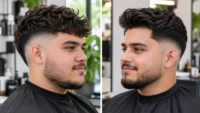
A low fade is one of the easiest ways to make curly and wavy hair look office ready, because the fade removes bulk from the sides while the top keeps its natural shape. For curly hair, keep enough length on top to let the curls form, and use a small amount of curl cream so the curls stay defined instead of turning into frizz. For wavy hair, a light styling cream is enough, and the natural movement of the wave gives the cut a relaxed but tidy look. Keep the sides tighter than the top, and the curls will look shaped rather than wild.
Thick hair also benefits, because the low fade takes weight away from the sides and the barber can thin the top lightly so it does not puff out. For thinning hair, keep the top short and textured, and choose a low fade rather than a skin fade, so the contrast does not draw the eye to the scalp. A matte product helps here, because shine can make thin areas look thinner. In every case, the same rule applies. Keep the fade low, keep the blend soft, and let your natural hair type do the work on top.
How to Ask Your Barber for an Office Low Fade
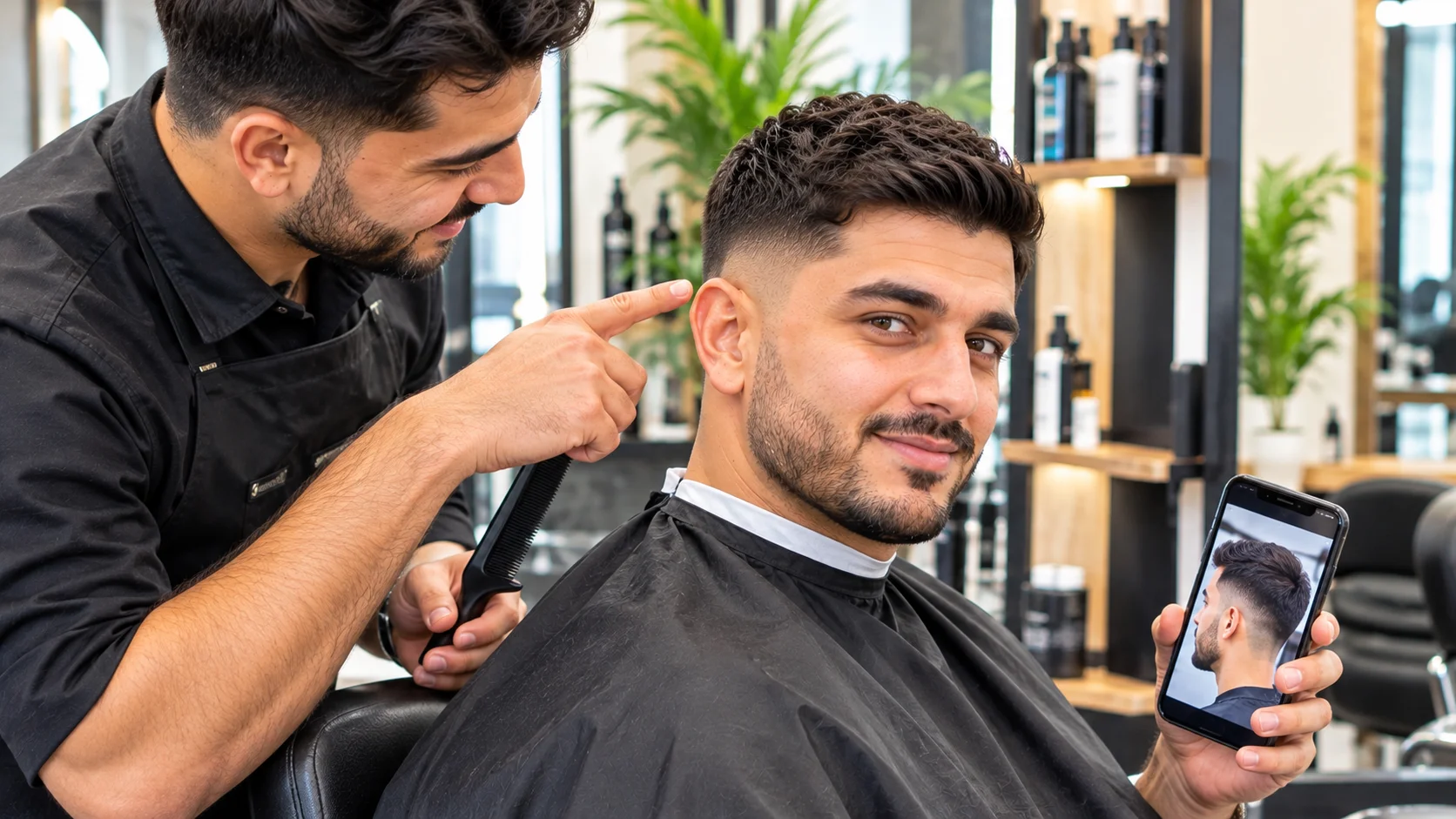
The words you use in the chair matter as much as the cut itself. Say this: I want a low fade that starts just above the ear, with a tight but soft blend and no harsh line. Ask for a number 1 guard blending into a number 2 on the sides, keep the top two to three inches long, and finish with a natural neckline. Then add the most important part. Tell your barber it is for work, and that you need it to look conservative. That one word changes how your barber blends the fade and how much length he leaves on top.
From my chair, I always ask clients to bring one or two reference photos, taken from the front and the side, so we can agree on the top length and the fade height before I start cutting. Tell your barber about your job and your routine, too. If you have an interview, book your cut three to five days before it, not on the morning of the interview, so the cut has time to settle and you are not dealing with a fresh, tight fade on the big day. A good barber will also show you how to style it at home in two minutes, so ask him to walk you through it once.
Grooming Rules and Maintenance: How Often to Get a Low Fade
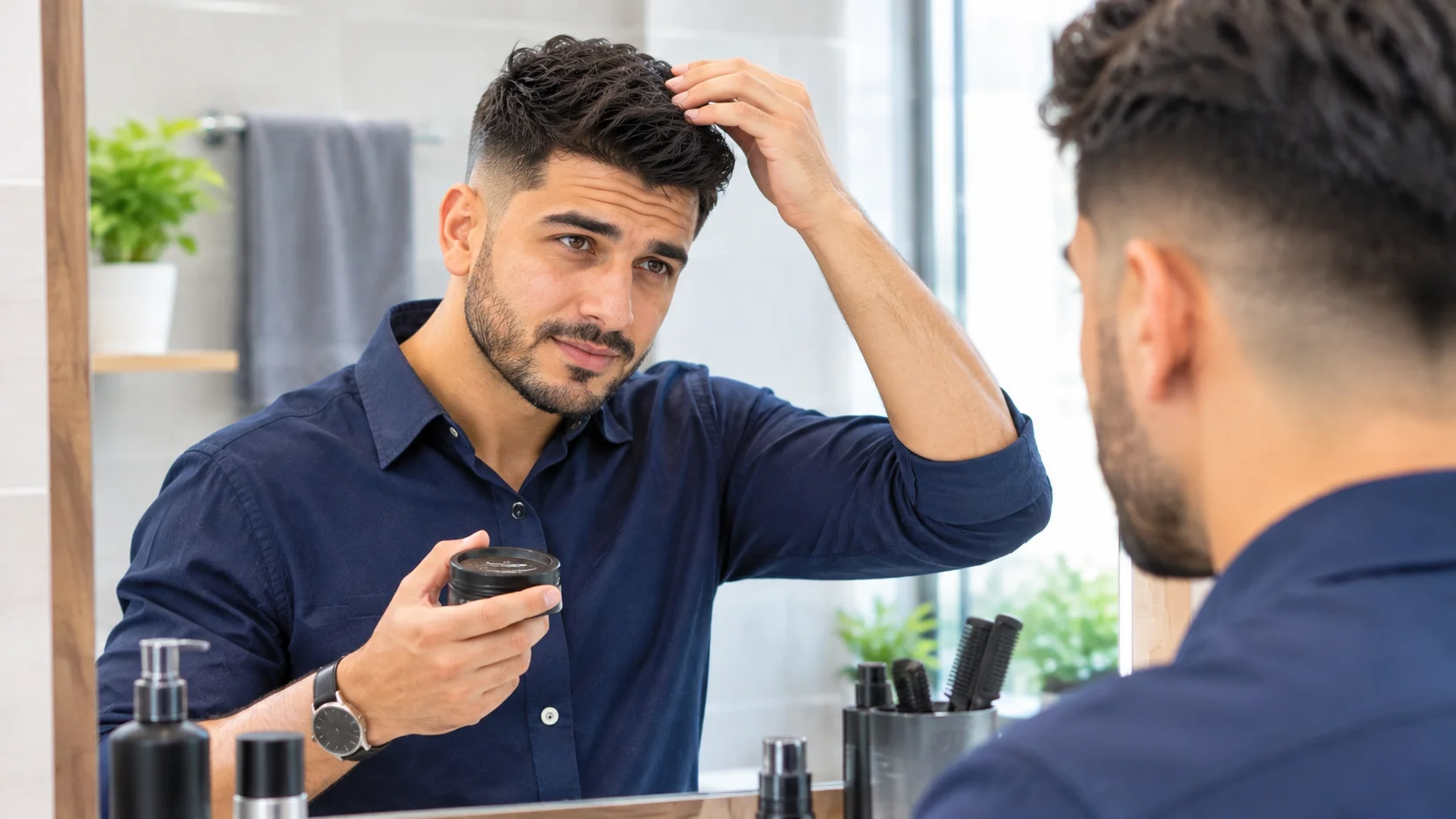
A low fade needs a trim every three to four weeks to stay sharp at work. If you choose a skin fade version, book every two to three weeks instead, because the skin area grows out faster and shows sooner. Between visits, keep the neckline tidy with a small trimmer, and wash your hair two to three times a week with a sulfate free shampoo, followed by a light conditioner. Pat your hair dry with a towel instead of scrubbing it, and use lukewarm water, because hot water and harsh washing dry the scalp and make the hair harder to style.
Your morning routine should stay simple. A dime sized amount of matte clay or light pomade is enough for most office styles, and less product almost always looks better than more. If you have a beard, keep it trimmed to match the fade, with clean lines on the cheeks and neck, so the haircut and the beard look like one shape. Book your next appointment before you leave the chair, and you will never have to guess when the cut is due. A low fade is a low maintenance cut, but only if you keep the schedule.
Frequently Asked Questions

Yes, a low fade is one of the most professional fade choices for men, because it starts just above the ears, keeps the blend soft, and leaves a neat top that can be parted or brushed back. It works in finance, law, teaching, and sales, as long as the top is tidy and the neckline is clean.
Book a trim every three to four weeks to keep a low fade looking sharp at work. If you have a skin fade version, go every two to three weeks, because the short area grows out faster. Book your next visit before you leave the chair so the cut never gets out of shape.
A low fade side part is the safest choice for a job interview, because it looks classic, calm, and tidy in photos and on video calls. A textured crop is the next best option. Get the cut three to five days before the interview so it has time to settle.
Yes, a low fade suits curly hair well in the office. The fade removes bulk from the sides while the top keeps enough length for the curls to form. Use a small amount of curl cream to keep the curls defined, and keep the sides tighter than the top so the shape stays neat.
Both work in the office, but a low taper fade is slightly more conservative, because the hair at the edges is cut short rather than taken down to the skin. Choose the low taper if your workplace has a strict dress code, and choose the low fade if you want a slightly sharper finish with the same low, office safe shape.
Pick the top style that fits your hair and your morning routine, keep the fade low and the blend soft, and book your next cut before you leave the chair. A good office low fade does not shout for attention. It simply makes you look tidy, calm, and ready for the day ahead.

- Be Respectful
- Stay Relevant
- Stay Positive
- True Feedback
- Encourage Discussion
- Avoid Spamming
- No Fake News
- Don't Copy-Paste
- No Personal Attacks
- Be Respectful
- Stay Relevant
- Stay Positive
- True Feedback
- Encourage Discussion
- Avoid Spamming
- No Fake News
- Don't Copy-Paste
- No Personal Attacks
