Skin Fade vs Taper Fade: The Clear Difference for Men
Published: 11 Nov 2026
A skin fade and a taper fade can look alike in a photo, yet they feel very different in the chair and in the mirror a week later. One takes the sides down to bare skin and makes a bold, high contrast shape. The other keeps a little hair at the edges, softens the change in length, and grows out with far less fuss. In this guide I explain what each cut really is, how the finish and contrast differ, how often each one needs a touch up, which one fits a workplace better, and which one suits your face shape and hair type.
What Is a Skin Fade?
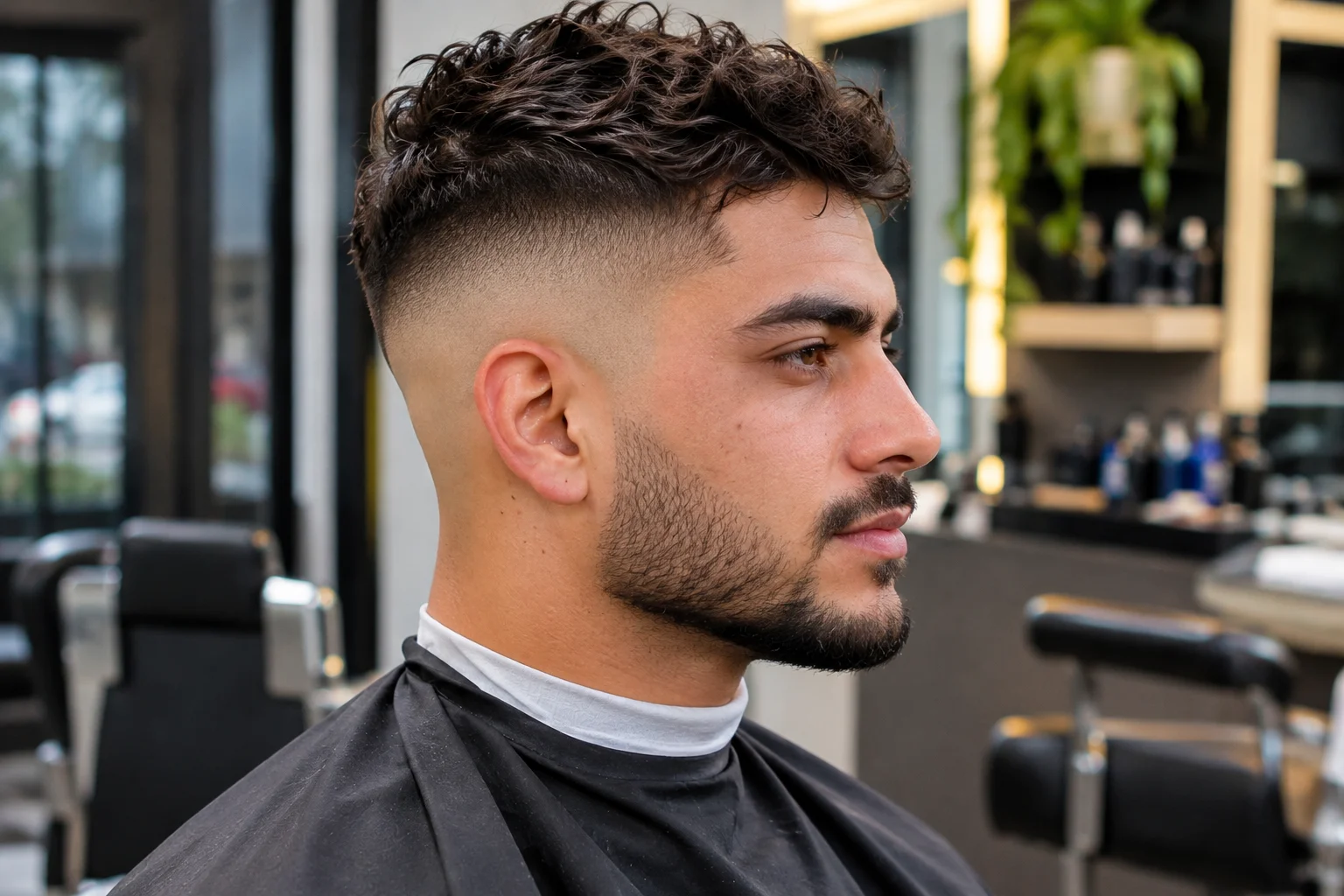
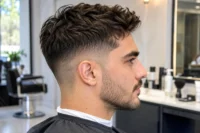
A skin fade, also called a bald fade or a zero fade, is a haircut where the hair blends down to bare skin at the shortest point. The barber works through clipper guards, then a foil shaver or a razor, so the bottom of the sides shows no hair at all and the skin itself becomes part of the shape. The blend then rises through very short stubble into longer hair on top. A low skin fade starts just above the ears, a mid skin fade starts around the temple, and a high skin fade starts higher up the head, near the brow.
From my chair, I see the skin fade work best when a man wants a clean, sharp finish and does not mind a bold shape. It pairs well with a textured crop, a buzz cut, a quiff, a pompadour, a side part, curly hair on top, and a short afro, because the bare skin makes the hair on top stand out. The look is strong, so it draws the eye, and it needs regular care to stay sharp.
What Is a Taper Fade?
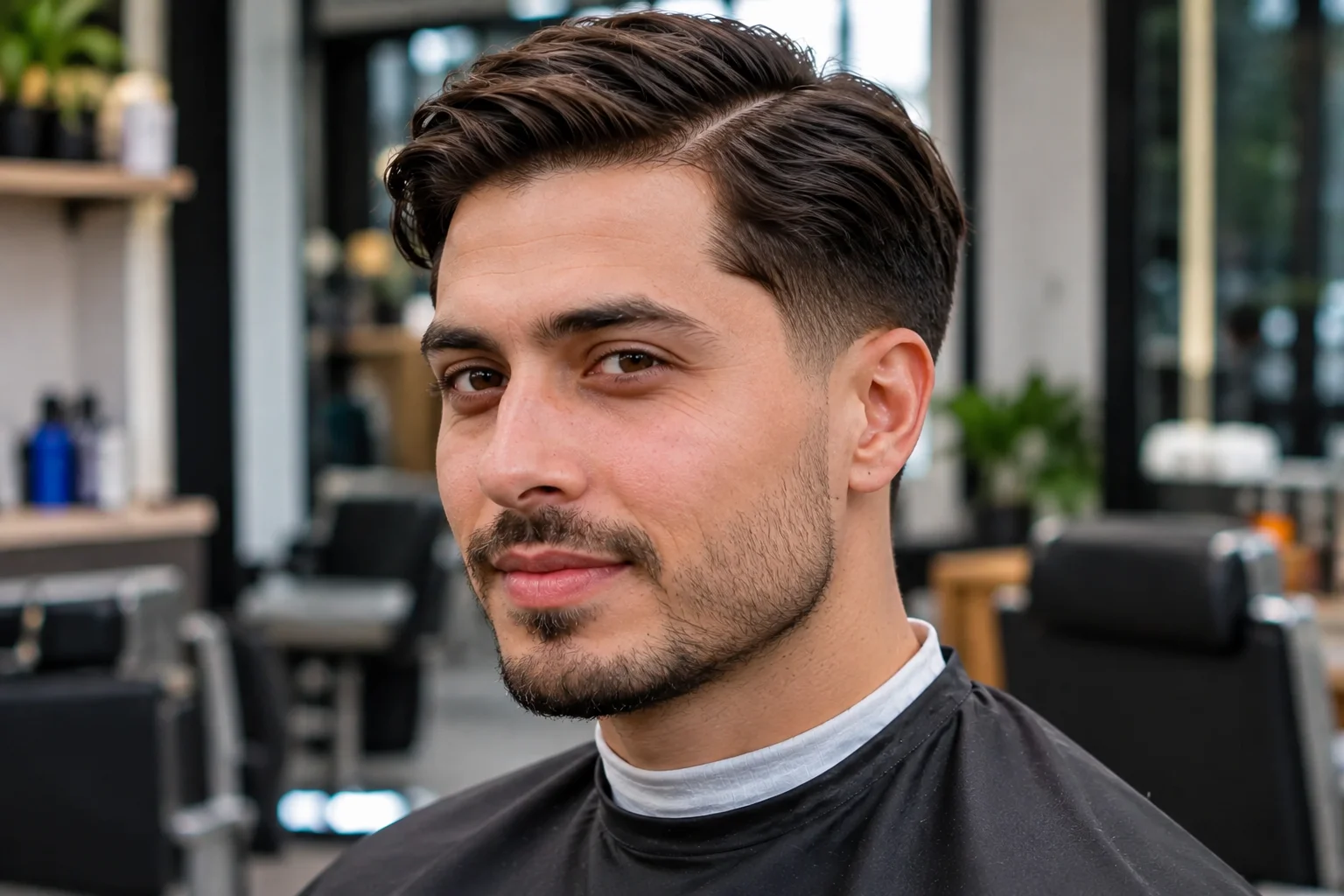
A taper fade is a softer and more gradual cut. Instead of taking the whole side down to skin, the barber shortens the hair only around the edges, at the sideburns and at the neckline, and leaves more length through the sides. The shortest point is short hair, not bare skin, often a short clipper guard, and the sides keep a light shadow of hair. That is why a taper fade looks tidy and classic rather than bold. A low taper fade keeps the change low and close to the ears, which is a good place to start if you want a clean finish without a big change.
From my chair, I reach for a taper fade when a man wants a neat cut that still looks good in week three and week four. It works with a low taper fade, a comb over, a brush back, longer textured hair, a middle part, and a classic side part, because it does not fight the hair on top. Some barbers use the words taper fade for a skin taper, where only the edges go down to skin, so ask what your barber means by the name.
Skin Fade vs Taper Fade: The Key Differences at a Glance
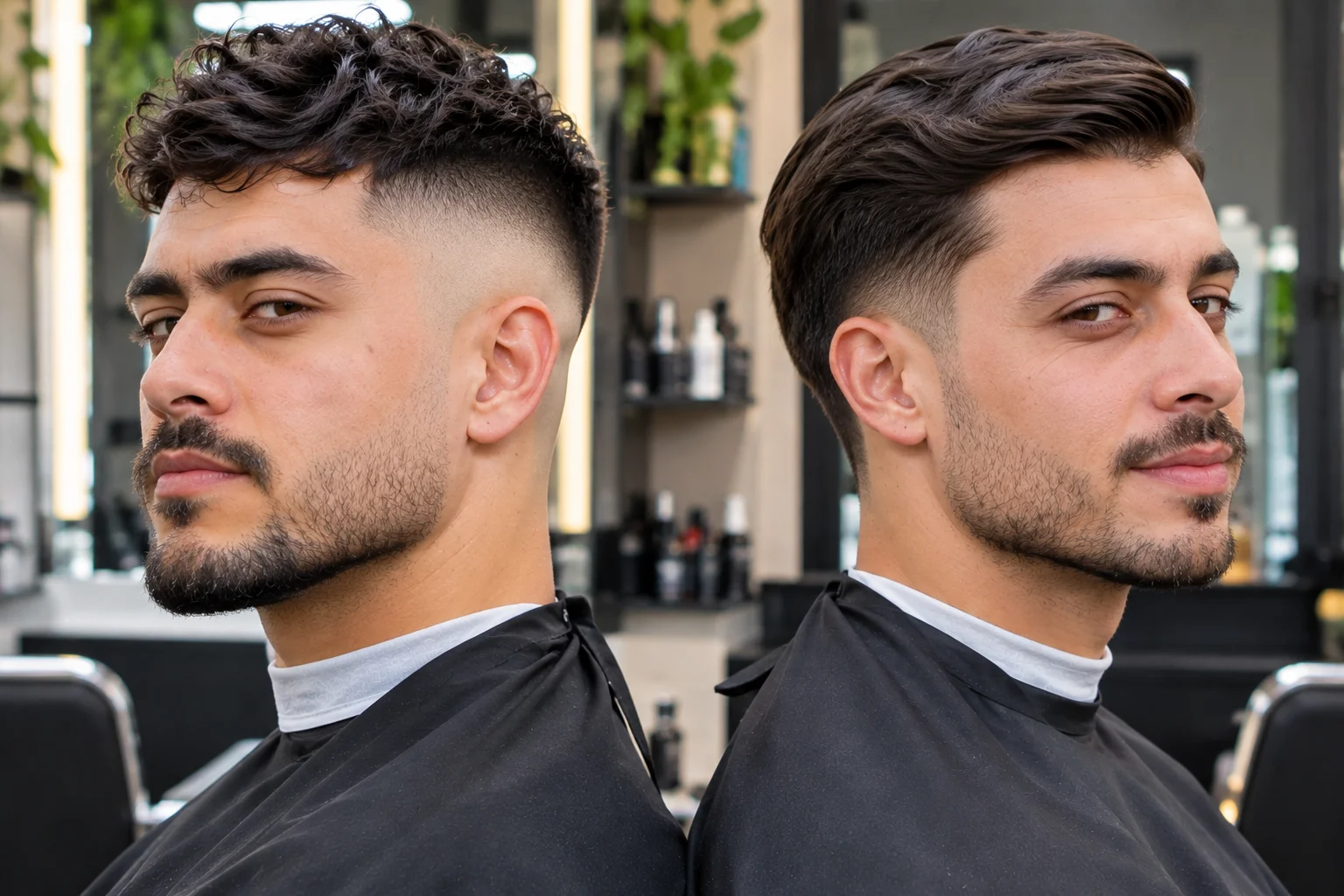
The main difference is the shortest point and how far the fade goes. A skin fade ends at bare skin and runs through the whole side, low, mid, or high. A taper fade ends at short hair and stays mostly around the ears and the neckline. A skin fade has high contrast, a sharp finish, and a modern, bold feel. A taper fade has lower contrast, a softer finish, and a classic, clean feel. A skin fade shows growth sooner, because it starts at skin. A taper fade grows out more gently, because the shortest hair is already there.
The names can cause confusion, because different shops use them in different ways. Do not rely on the name alone. Look at the shortest point, look at how high the fade starts, and look at how much length stays on the sides. If you like the balance of a mid height cut, read our guide to mid taper fade vs mid fade before you book.
Contrast and Finish: How Sharp Each Cut Looks
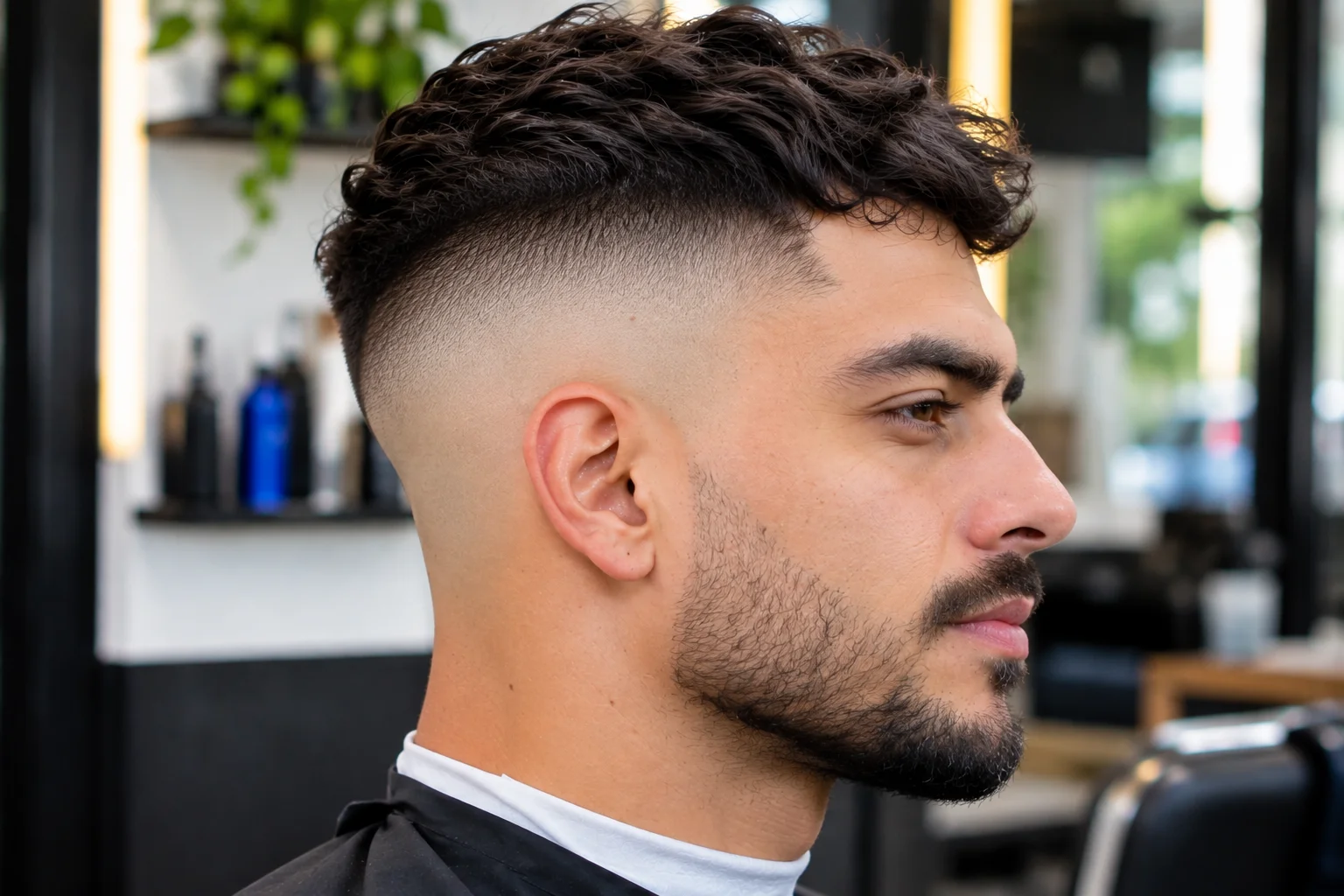
Contrast is the gap between the shortest hair and the hair on top, and a skin fade has the widest gap of any fade. The hair seems to dissolve into the scalp at the bottom, then rise into stubble and then into longer hair, so the shape looks crisp and the top looks stronger by comparison. Good blending matters here, because a poor skin fade can show banding, which is a visible dark line where one guard length meets the next. A skilled barber uses flicking and rocking motions with the clipper and checks the blend in natural light.
A taper fade has a much smaller gap, so the finish looks softer and more natural. The sides keep a shadow, the change in length is gentle, and the cut reads as tidy rather than dramatic. That soft finish is also why a shadow fade haircut can look so clean, because the hair never drops to bare skin. Thick, dark, straight hair shows a stronger shadow, while fine or light hair blends more easily and shows more scalp in a high skin fade.
Maintenance and Upkeep: How Often Each Cut Needs a Touch Up
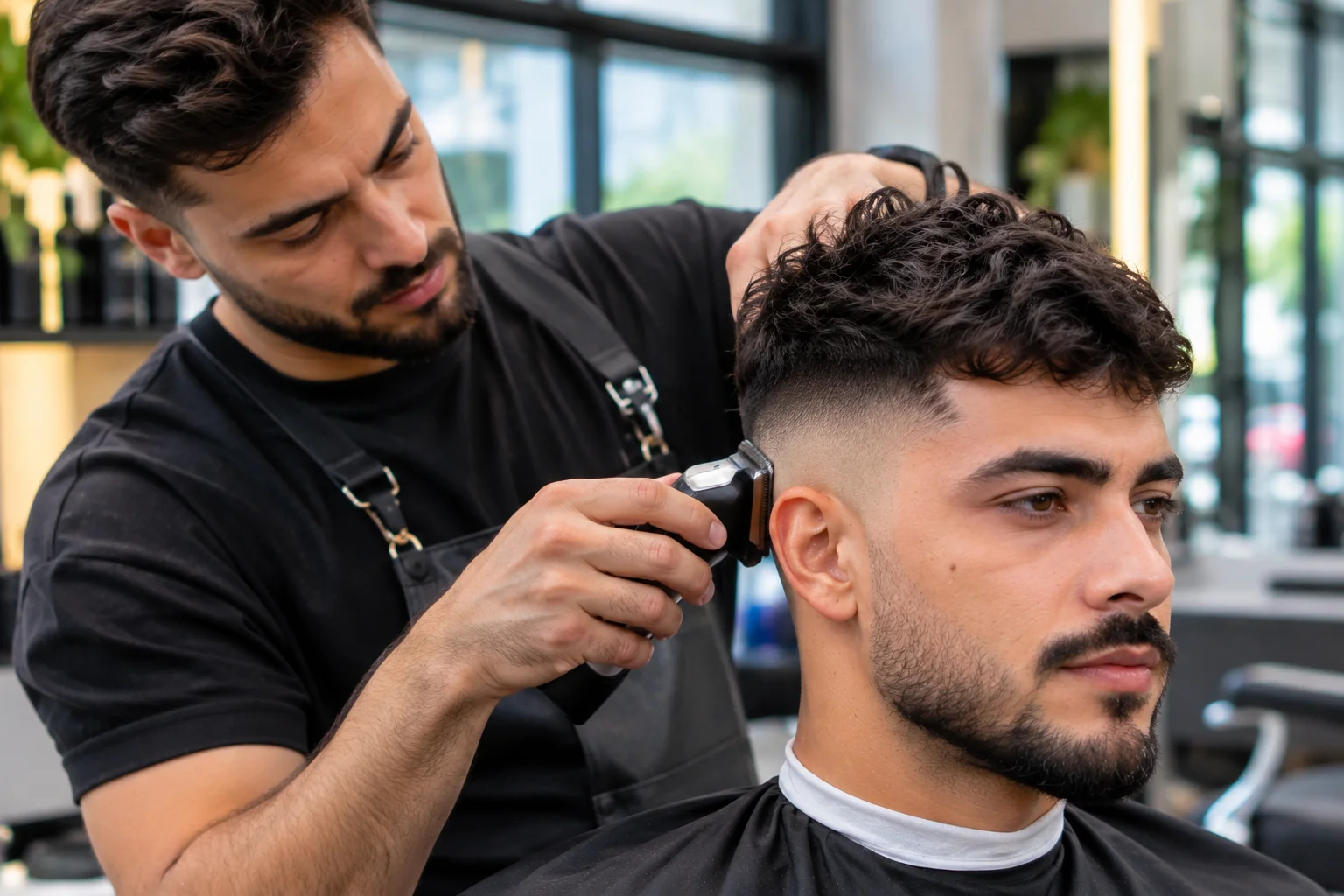
Upkeep is where the two cuts split most clearly, and it is the question I ask every client first. A skin fade needs a touch up every 1 to 2 weeks to keep that fresh, sharp look, because the bare skin shows new growth within days and the blend softens fast. A taper fade needs a touch up every 4 to 5 weeks, because the shortest hair is longer, the grow out is gentle, and the cut still looks tidy as it grows. That gap adds up over a year, in both time and cost, so be honest about how often you are willing to visit the shop.
From my chair, I tell men with a skin fade to book the next visit before they leave, and to keep the scalp clean and moisturised, because the skin is on show. With a taper fade, the home care is simpler. Wash, dry, add a small amount of product, and the cut holds its shape for weeks. If you are not sure about upkeep, try the taper fade first. You can always go shorter next time.
Workplace Suitability: Which Cut Fits Your Job

A taper fade is the safer choice for most workplaces, because it looks clean, professional, and classic without drawing attention to the sides. It fits an office, a corporate job, a client facing role, and a formal setting, and it still looks neat at the weekend. A low skin fade can also work in a professional setting, because it is tidy at the edges and the skin shows only in a small area, but a high skin fade is a bolder statement and may feel too sharp for a very conservative workplace.
Think about your job, your interviews, and the people you meet each day, not just the photo you liked online. If you work in finance, law, teaching, or health care, a taper fade will rarely raise a question. When in doubt, ask your barber for a low taper fade with a clean edge. It gives you a sharp, tidy look, it grows out well, and you can move to a skin fade later.
Which Cut Suits Your Face Shape and Hair Type?
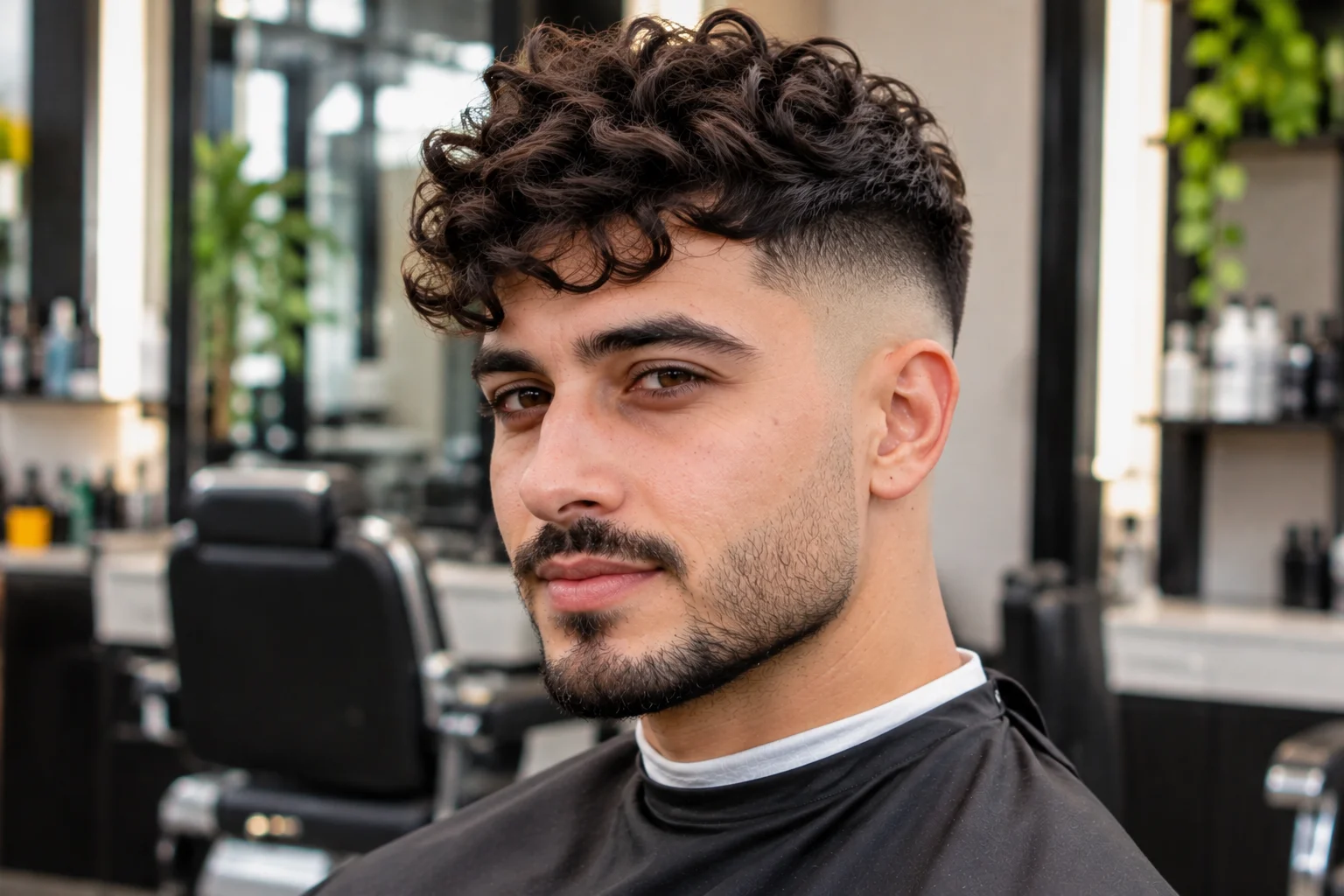
Face shape can guide the height of the fade, even though both cuts can be adapted to suit most men. A high or mid skin fade can add length and angles to a round face, and a taper fade can soften a strong jawline on a square face while keeping a clean look. An oval face suits both styles, so personal taste matters more than a rule. A long face often looks better with a low taper fade, because it does not add height at the sides, and a heart shaped face can suit a mid fade that balances a wider forehead.
Hair type matters just as much. Thick, coarse hair shows strong contrast in a skin fade and can look bushy if the sides are left too long, so a skin fade can take weight out and sharpen the shape. Fine or thinning hair often suits a taper fade better, because the sides keep a shadow and the scalp shows less. Curly and coily hair works well with both cuts, and a skin fade can give a crisp line and a sharp contrast with curls or twists on top. Straight and wavy hair blends easily in either cut, but a drop fade haircut can be a good middle step if you have thick hair and want the fade to follow the shape of your head.
Styling, Grow Out and Hair on Top
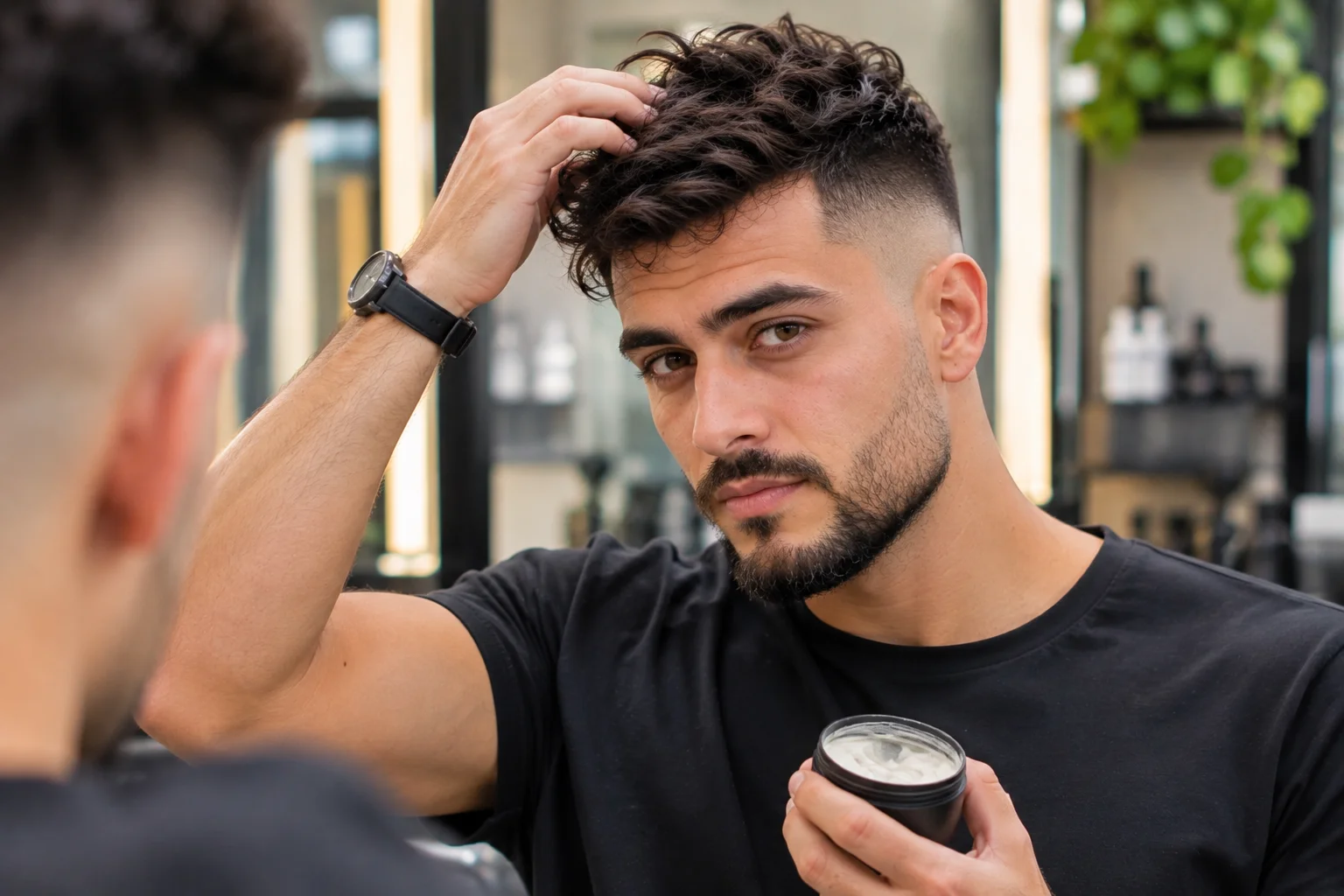
The hair on top decides how the fade feels day to day, and both cuts work with most tops. A skin fade pairs well with a textured crop, curls, a comb over, a quiff, a pompadour, a buzz cut, and a hard part, because the bare sides make the top the focus. A taper fade pairs well with a comb over, a brush back, a middle part, longer textured hair, a slick back, and a side part, because the sides keep enough length to blend into the top.
Grow out is the part most men forget until week two. A skin fade shows growth sooner, because the skin starts to soften and the sharp line fades, so you may need a quick clean up at the edges between full cuts. A taper fade grows out more gently, and the sides still look tidy after three or four weeks, which makes it easier if you travel or you cannot book often. For styling, keep it simple. Use a small amount of matte clay for texture, sea salt spray for volume, or a light pomade for a slick finish, and work the product through damp hair with your fingers.
How to Ask Your Barber for the Right Cut
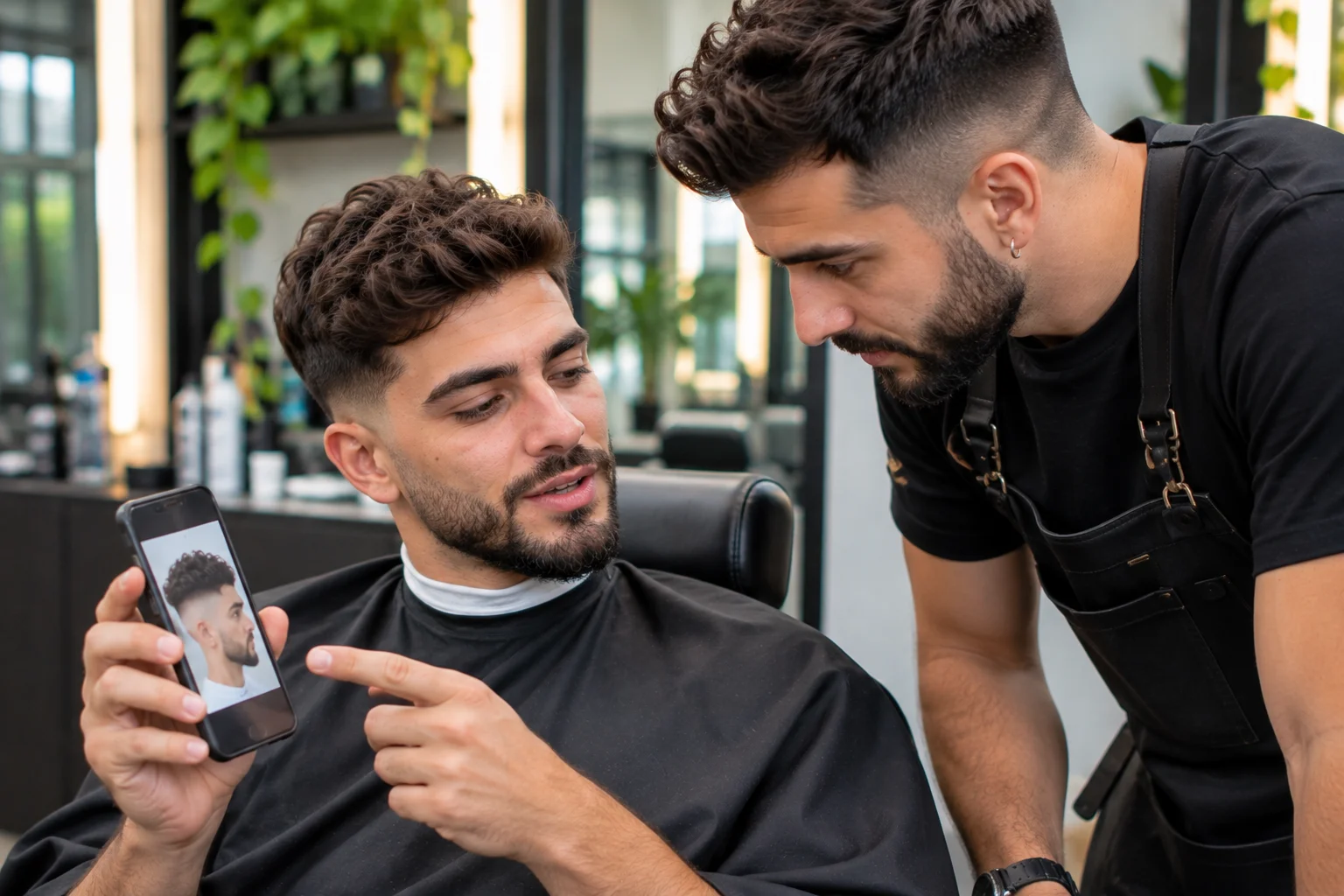
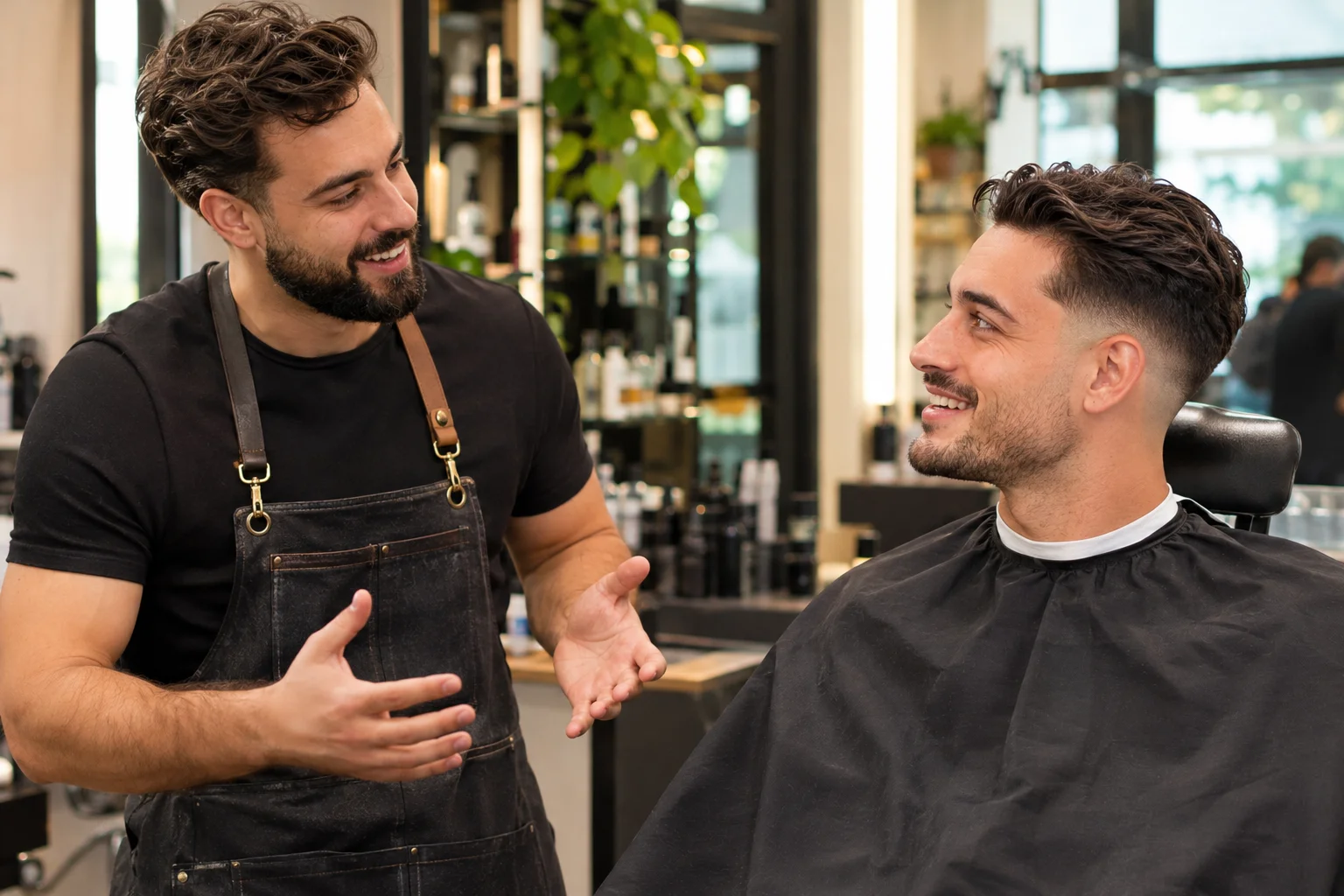
Clear words save you from a cut you did not want, so say three things before the clippers start. First, say where the fade should start, low around the ears, mid around the temple, or high near the brow. Second, say how short it should go at the bottom, down to skin, or a short guard that leaves a shadow. Third, say how much length to keep on top, and how you wear it day to day. Bring a photo from the front, the side, and the back if you can, because a photo shows the height and the shortest point better than a name alone.
From my chair, I always ask a new client how he wears his hair on a normal day, how often he can come back, and whether he has a cowlick or a swirl at the crown. Those answers change the cut more than any photo. If you are unsure, start with a low taper fade and ask the barber to show you where a skin fade would start. That way you can see the height on your own head before you commit to bare skin. If the barber uses a different name for the same cut, point to the photo, point to the height, and agree on the shortest point together.
Frequently Asked Questions
A skin fade blends down to bare skin at the shortest point, while a taper fade ends at short hair and stays mostly around the sideburns and the neckline. The skin fade has higher contrast and a sharper finish, while the taper fade is softer and more classic.
A skin fade needs a touch up every 1 to 2 weeks to stay sharp, because new growth shows quickly on bare skin. A taper fade usually needs a touch up every 4 to 5 weeks, because it grows out more gently.
In most workplaces, yes. A taper fade looks clean and professional without a bold finish. A low skin fade can also work, but a high skin fade may feel too sharp for a very conservative job. A neat line up and a clean neckline help either cut look more professional.
Both cuts can suit curly and thick hair. A skin fade removes weight and gives a crisp line with curls or twists on top, while a taper fade keeps the curls softer at the edges and hides the scalp more. Tell your barber about your hair type before you decide.
Yes, in a way. Ask for a skin taper, where the edges at the sideburns and the neckline go down to skin and the sides stay fuller. Bring a photo from the side and the back, and agree on where the fade starts and how short it goes at the bottom.
Choose a skin fade if you want a bold, high contrast look and you are happy to visit the barber every 1 to 2 weeks. Choose a taper fade if you want a clean, classic look that grows out gently and needs a touch up every 4 to 5 weeks. If you are still unsure, start with a low taper fade, live with it for a few weeks, and move to a skin fade next time if you want more contrast. The right cut is the one that fits your face, your hair, your job, and your routine, not just the photo you saw online.


- Be Respectful
- Stay Relevant
- Stay Positive
- True Feedback
- Encourage Discussion
- Avoid Spamming
- No Fake News
- Don't Copy-Paste
- No Personal Attacks
- Be Respectful
- Stay Relevant
- Stay Positive
- True Feedback
- Encourage Discussion
- Avoid Spamming
- No Fake News
- Don't Copy-Paste
- No Personal Attacks
